
Beautiful Plants For Your Interior
Beautiful Plants For Your Interior
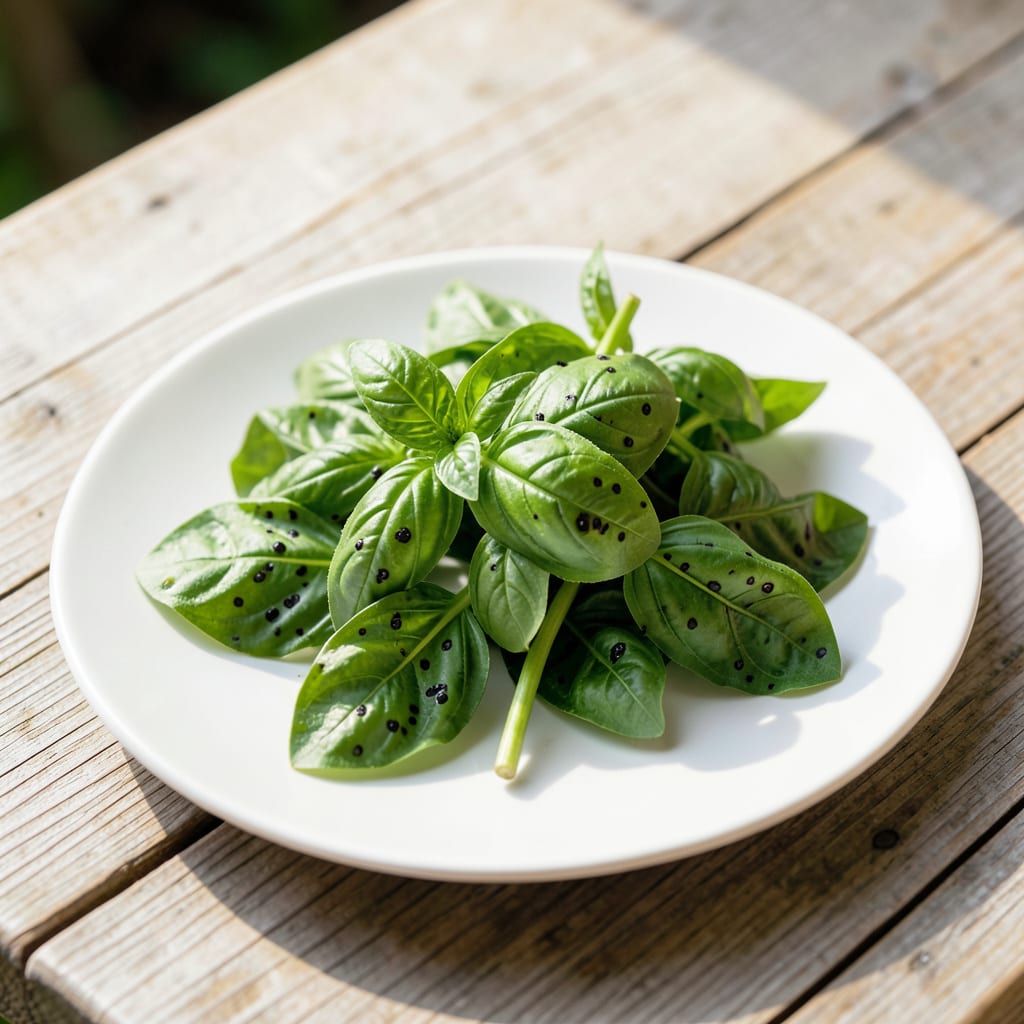
Those black spots on your basil aren’t just unsightly—they’re your plant’s distress signal. 🌱 I’ve seen this too many times: what starts as a few dark specks can spread overnight if ignored.
Most cases trace back to fungal issues or environmental stress. The good news? Your basil isn’t automatically toxic. But here’s the thing—some causes are harmless, while others require immediate action.
You’ll want to inspect the spots carefully. If they’re dry and papery, it’s likely environmental. If they’re wet and spreading, that’s a red flag for fungal disease.
We’ll cover how to diagnose, treat, and prevent this—so you can keep enjoying your harvest without worry.
Black spots on basil leaves can stem from several biological and environmental factors. Here’s a breakdown of the most common causes, each with actionable insights:
Fungi like Colletotrichum (anthracnose) or Cercospora thrive in damp, poorly ventilated conditions. These pathogens produce spores that germinate on wet foliage, leading to dark, sunken lesions. Overhead watering or high humidity accelerates their spread. Fix: Improve airflow, water at the base, and remove infected leaves immediately.
Sap-sucking insects such as aphids or thrips weaken plant tissues, creating entry points for secondary infections. Their feeding can also cause blackened stippling or necrotic spots. Check: Inspect leaf undersides for tiny pests or sticky residue (honeydew). Treat with insecticidal soap or neem oil.
Overwatering, nutrient deficiencies (e.g., calcium or potassium), or extreme temperature swings can trigger cellular collapse in basil leaves, manifesting as black patches. Prevent: Use well-draining soil, fertilize balancedly, and maintain consistent moisture levels.
Pseudomonas or Xanthomonas bacteria cause water-soaked spots that turn black as tissues die. These thrive in wet, warm conditions and spread via contaminated tools or splash water. Act: Prune with sterilized shears and avoid working with plants when wet.
Identifying the root cause is key to saving your basil—and knowing whether the leaves are safe to consume.
If your basil leaves have black spots, act fast to save your plant and keep it safe for cooking. Below are targeted fixes based on the most common causes, plus prevention tips to keep your basil thriving.
Fix: Remove infected leaves immediately to stop the spread. Spray the plant with a baking soda solution (1 tsp baking soda + 1 quart water + a few drops of dish soap). For severe cases, use a copper-based fungicide.
Prevention: Improve airflow around the plant, avoid overhead watering, and water in the morning so leaves dry quickly. 💡 Pro tip: Space plants 12–18 inches apart for better circulation.
Fix: Blast pests off with a strong stream of water or wipe leaves with a neem oil solution (1 tbsp neem oil + 1 tsp mild soap + 1 quart water). Repeat every 3–4 days until pests are gone.
Prevention: Inspect leaves regularly (especially undersides) and introduce beneficial insects like ladybugs. 🎯 Keep ants away—they protect aphids!
Fix: Let the soil dry out completely between waterings. If the pot lacks drainage, repot into a container with holes and use well-draining potting mix.
Prevention: Stick your finger 1 inch into the soil—if it’s moist, wait to water. ✨ Basil prefers slightly dry soil over soggy roots.
Fix: Move potted basil to a spot with partial shade (4–6 hours of morning sun) if leaves show scorching. For cold damage, bring plants indoors if temperatures drop below 50°F (10°C).
Prevention: Acclimate basil gradually to outdoor conditions (harden off for 1–2 weeks). 🌡️ Ideal temp range: 70–85°F (21–29°C).
Note: If the black spots are only on a few leaves and the rest look healthy, the unaffected leaves are generally safe to eat after washing. When in doubt, discard damaged leaves to be safe.
Fungal infections, pest damage, or environmental stress like overwatering are the most common culprits. Each leaves distinct patterns, so inspect closely for clues.
If only a few leaves are affected and the rest look healthy, they’re generally safe after washing. Discard damaged leaves to be cautious.
Improve airflow, water at the base, and remove infected leaves immediately. For pests, use neem oil or insecticidal soap.
Not always. Sometimes they’re caused by environmental factors like sunburn or cold damage. Check for soft, spreading spots to confirm disease.
