
Beautiful Plants For Your Interior
Beautiful Plants For Your Interior
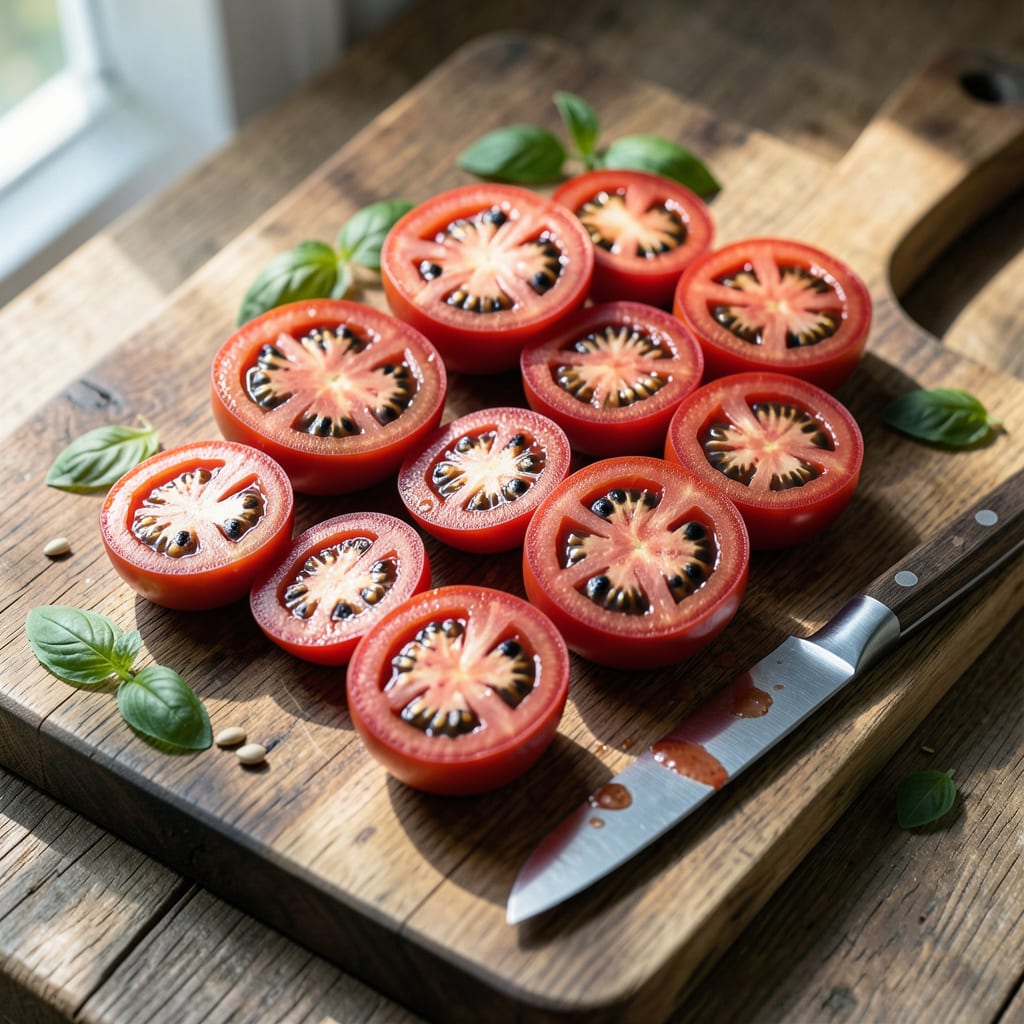
Nothing stings like cutting into a perfect tomato and finding black spots inside. I’ve lost count of how many fruits I’ve tossed because of this, but I finally figured out the fix.
This isn’t a pest or disease—it’s usually blossom end rot, a sign your plants aren’t getting enough calcium. It starts as a small, water-soaked spot that turns dark and sunken. Hot weather and uneven watering make it worse.
Here’s the thing—you can fix it mid-season. A simple calcium spray or adjusting your watering routine stops new spots from forming. The key is consistency, not luck.
Works for container and in-ground plants alike. No more wasted harvests.
Black spots inside tomatoes often stem from a few key issues, each with distinct triggers. Here’s a breakdown of the most common causes:
The primary culprit is blossom end rot, caused by a calcium imbalance in the plant. Calcium is vital for cell wall structure, and when levels drop, tissue at the blossom end (opposite the stem) breaks down, forming dark, sunken spots. This often occurs during rapid growth or uneven watering, which disrupts calcium uptake—even if soil calcium is sufficient.
Fluctuations in soil moisture stress the plant, hindering its ability to absorb calcium. Drought followed by overwatering creates a perfect storm for black spots. Mulching (2–3 inches of organic material) helps maintain steady moisture levels, reducing this risk.
Heatwaves (above 90°F/32°C) or cold snaps can slow calcium transport within the plant. High temperatures also increase transpiration, leaving less water (and dissolved calcium) for fruit development. Shade cloth or row covers can mitigate temperature stress.
Tomatoes absorb calcium best when soil pH is 6.0–6.8. If pH dips below 5.5, calcium becomes less available, even if present in the soil. A simple soil test can confirm whether lime (to raise pH) or sulfur (to lower it) is needed.
Overloading soil with nitrogen or potassium can block calcium uptake. High-salt fertilizers also damage roots, further limiting nutrient absorption. Opt for balanced, slow-release fertilizers and follow label rates precisely.
Addressing these factors—through consistent watering, soil testing, and temperature control—can prevent black spots from developing in the first place.
Here’s how to tackle the most common causes of black spots inside tomatoes with simple, actionable fixes.
If your tomatoes have dark, sunken spots at the blossom end, they likely need more calcium. Fix it: Add crushed eggshells or gypsum to the soil. For a quick boost, use a calcium-rich foliar spray. Prevention tip: Test your soil before planting and maintain consistent moisture levels to help roots absorb calcium.
Fluctuating moisture levels disrupt nutrient uptake. Fix it: Water deeply 1-2 times a week instead of light daily watering. Use mulch (like straw or wood chips) to retain moisture. Prevention tip: Install a drip irrigation system for steady watering, especially during dry spells. 💡 Pro tip: Avoid wetting the leaves to prevent fungal issues.
Black spots inside tomatoes can stem from diseases like Early Blight or Bacterial Spot. Fix it: Remove infected fruits and leaves immediately. Apply a copper-based fungicide or neem oil spray to healthy plants. Prevention tip: Rotate crops yearly and space plants properly for airflow. Avoid overhead watering to keep foliage dry.
Too much nitrogen or potassium can block calcium absorption. Fix it: Switch to a balanced fertilizer (e.g., 10-10-10) and reduce high-nitrogen feeds. Prevention tip: Use compost or organic matter to improve soil health naturally. Test soil every 2-3 years to monitor nutrient levels.
With these steps, you can rescue your current crop and set up next season for success! ✨
Yes, if the issue is blossom end rot. Simply cut away the affected area—the rest is perfectly fine. Avoid eating if the spots are moldy or the fruit smells off.
A calcium spray can show improvement within 3-5 days. For long-term results, add crushed eggshells or gypsum to the soil and maintain consistent watering.
Yes! Fluctuating moisture disrupts calcium uptake. Water deeply 1-2 times weekly and use mulch to keep soil evenly moist.
No, blossom end rot doesn’t spread like disease. However, all fruits on the plant may develop spots if the underlying issue isn’t fixed.
