
Beautiful Plants For Your Interior
Beautiful Plants For Your Interior
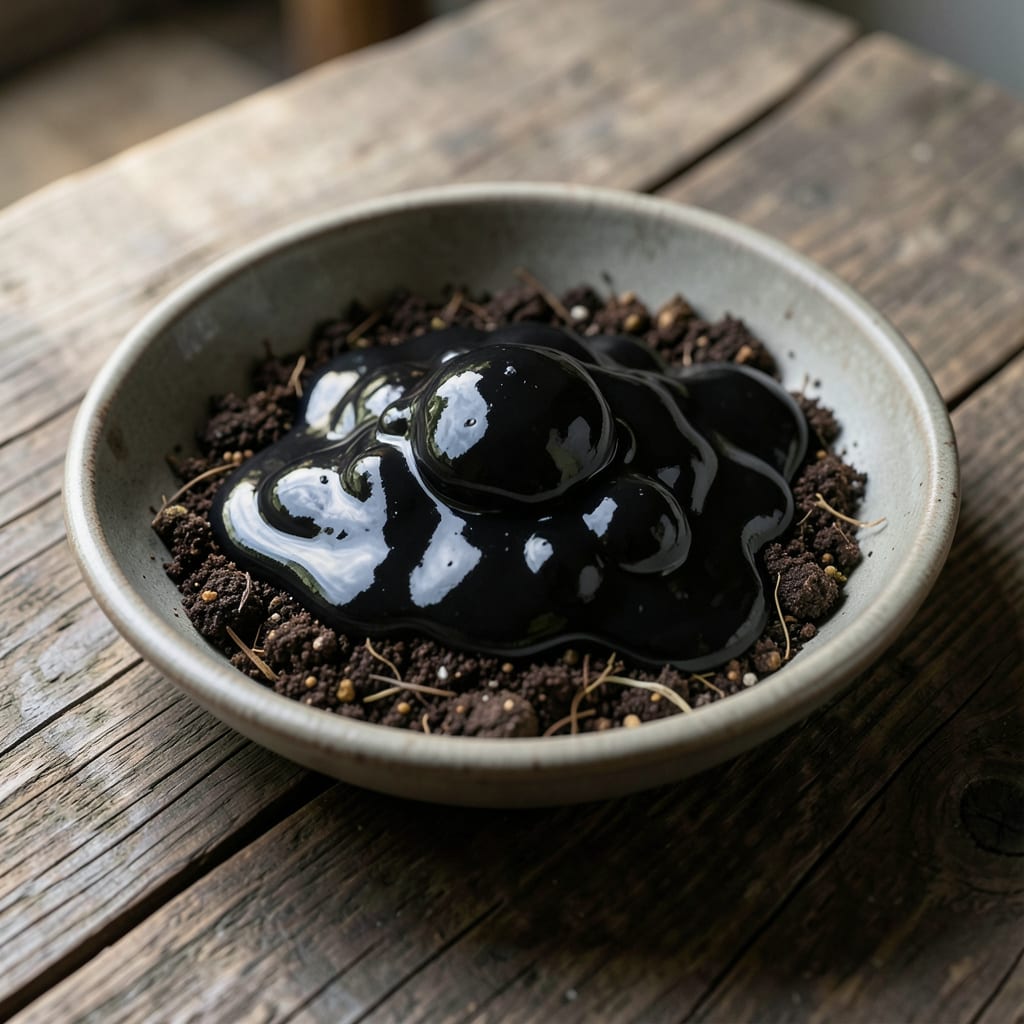
That black slime on your soil isn’t dirt—it’s a sign your plants are screaming for help. I’ve seen this in my own pots after overwatering or using poorly draining mixes.
It’s usually a mix of mold, algae, or fungal growth thriving in damp, airless conditions. The good news? It’s fixable with a few simple adjustments and organic remedies.
You’ll restore balance to your soil, stop the slime in its tracks, and get your plants back to thriving in a week or less. No harsh chemicals needed.
Works for houseplants, garden beds, and containers alike. Here’s how to tackle it head-on.
Black slime on soil is often a sign of underlying issues in your garden or potted plants. Here’s why it happens, broken down by the most common causes:
Overwatering or compacted soil traps moisture, creating the perfect anaerobic (oxygen-free) environment for saprophytic fungi and bacteria to thrive. These microorganisms form black, slimy colonies as they break down organic matter. If your soil stays soggy for days, it’s a red flag.
Soil rich in undecomposed organic material (like fresh compost or leaf litter) can foster black slime. As microbes feast on the carbon-rich matter, they produce dark, gelatinous byproducts. This is common in newly amended beds or potted mixes with unbalanced compost ratios.
Fungi and bacteria multiply rapidly in warm (70–85°F), humid climates. Greenhouses, terrariums, or outdoor gardens in tropical regions are hotspots for black slime. The lack of airflow in these environments further accelerates microbial growth.
Soil with high pH (alkaline) or excessive nitrogen from fertilizers can disrupt microbial harmony, favoring slime-producing organisms. Test your soil—if the pH is above 7.5 or you’ve over-fertilized, it may be the culprit.
Addressing these root causes—improving drainage, balancing organic content, and adjusting environmental conditions—can help eliminate and prevent black slime.
Black slime on soil is often a sign of fungal or bacterial overgrowth, but the good news is it’s fixable! Below are targeted solutions based on the root cause, along with prevention tips to keep your soil healthy long-term.
If excess moisture is the culprit, let the soil dry out slightly between waterings. Fix: Repot plants in well-draining soil with perlite or sand. Use containers with drainage holes, and avoid saucers that trap water. For garden beds, amending with compost or organic matter improves aeration.
Prevention: Stick to a watering schedule and use a moisture meter to avoid guesswork. 💡
Stagnant air encourages slime growth. Fix: Space plants apart to allow airflow, and prune dense foliage. Outdoors, thin out crowded garden areas. Indoors, use a small fan on low to keep air moving gently.
Prevention: Regularly check for compacted soil and loosen it with a fork to improve oxygen flow. ✨
Decaying leaves or mulch can feed slime. Fix: Remove visible slime with a spoon or gloved hand, then top-dress soil with a thin layer of fresh compost or coconut coir. For severe cases, replace the top 1–2 inches of soil.
Prevention: Clear fallen debris promptly and avoid over-mulching. Keep the soil surface tidy. 🎯
Too much nitrogen or organic matter can fuel slime. Fix: Test your soil and adjust with a balanced fertilizer or mycorrhizal inoculants to restore microbial harmony. Avoid over-fertilizing.
Prevention: Use slow-release fertilizers and rotate crops to prevent nutrient depletion. 🌡️
With these steps, your soil—and plants—will bounce back in no time!
It’s rarely dangerous but can compete with roots for nutrients. Severe cases may suffocate seedlings or weaken mature plants. Act quickly to prevent long-term damage.
Yes, a 3% solution diluted with water (1:10 ratio) can kill slime without harming plants. Spray lightly on affected areas and let it sit for 10 minutes before rinsing.
Improve drainage, reduce watering frequency, and add perlite or sand to soil. Ensure containers have drainage holes and avoid over-mulching.
