
Beautiful Plants For Your Interior
Beautiful Plants For Your Interior
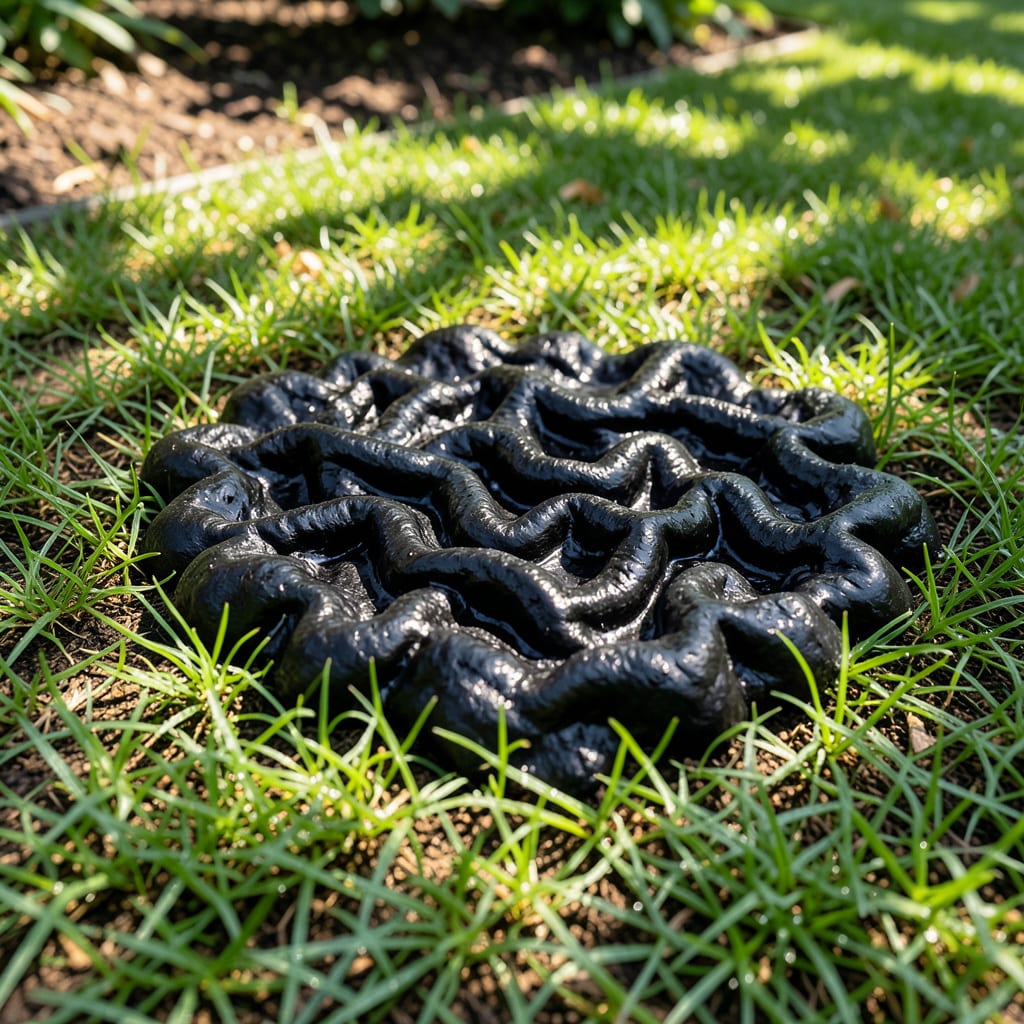
That black stuff on your grass isn’t a disease. It’s just slime mold having a party on your lawn.
I first spotted it after a stretch of wet weather—dark, crusty patches that looked like someone spilled tar. Turns out it’s harmless to grass but ugly as sin. The mold feeds on organic matter, not living plants, so your lawn isn’t dying, just hosting.
Removal is simpler than you’d think. A rake or strong spray from the hose breaks it up and lets sunlight dry it out. No chemicals needed for this organic solution.
Prevention means improving drainage and reducing thatch. Your grass will bounce back faster than you expect.
Black slime mold thrives in lawns due to specific environmental conditions. Here’s why it happens:
Slime molds love damp environments. Overwatering, poor drainage, or frequent rain can create the perfect breeding ground. When soil stays soggy, these organisms multiply rapidly, forming visible black or dark patches on grass blades.
Thatch, fallen leaves, and grass clippings provide both food and shelter for slime mold. As organic matter decomposes, it releases nutrients that fuel slime mold growth. A lawn with thick thatch (over ½ inch) is especially vulnerable.
Slime molds are most active in temperatures between 60–80°F (15–27°C) with high humidity. Spring and early summer—when moisture lingers and warmth encourages microbial activity—are peak times for outbreaks.
Dense grass, compacted soil, or shaded areas restrict airflow, trapping moisture and creating a microclimate ideal for slime mold. Lawns with heavy foot traffic or clay soil often suffer from this issue.
Addressing these factors—through proper watering, dethatching, and aeration—can significantly reduce the risk of black slime mold taking over your lawn.
Black slime mold thrives in damp, shaded areas, but you can reclaim your lawn with these targeted fixes. Address the root causes, and your grass will bounce back.
Slime mold loves soggy soil. Start by aerating compacted areas with a garden fork or core aerator to help water drain faster. For low-lying spots, fill with a mix of sand and compost to level the ground and prevent pooling. Pro tip: 💡 Water your lawn in the early morning so sunlight can dry excess moisture by midday.
Thick tree canopies or overgrown shrubs block sunlight and trap humidity. Prune branches to allow more light and air circulation. If possible, thin out dense plantings or opt for shade-tolerant grass varieties like fine fescue. Bonus: ✨ Rake up fallen leaves and debris regularly—they hold moisture and create ideal mold conditions.
Slime mold feeds on decaying matter. Remove thatch (a layer of dead grass and roots) with a dethatching rake if it’s over ½-inch thick. Bag grass clippings after mowing until the mold clears, as mulching can spread spores. For stubborn patches, gently rake the mold to break it up and expose it to drying sunlight.
Aerate and top-dress with compost to introduce beneficial microbes that compete with slime mold. Avoid heavy nitrogen fertilizers—they can worsen the problem. Instead, use a balanced, slow-release organic fertilizer to strengthen your lawn’s natural defenses.
Prevention tip: 🎯 Maintain good lawn hygiene: mow high (3–4 inches), water deeply but infrequently, and keep your soil slightly acidic (pH 6.0–6.5). A healthy lawn is your best defense!
No, it’s mostly a cosmetic issue. The mold feeds on decaying organic matter, not living grass. Your lawn will recover once conditions dry out.
With proper treatment, most patches clear up in 1-2 weeks. Raking and improving drainage speeds up the process. Sunlight is your best ally.
Fungicides aren’t necessary or effective. Physical removal and environmental changes work better. Save your money for prevention instead.
Yes, but bag the clippings to avoid spreading spores. Mow when the grass is dry to prevent further moisture buildup.
