
Beautiful Plants For Your Interior
Beautiful Plants For Your Interior
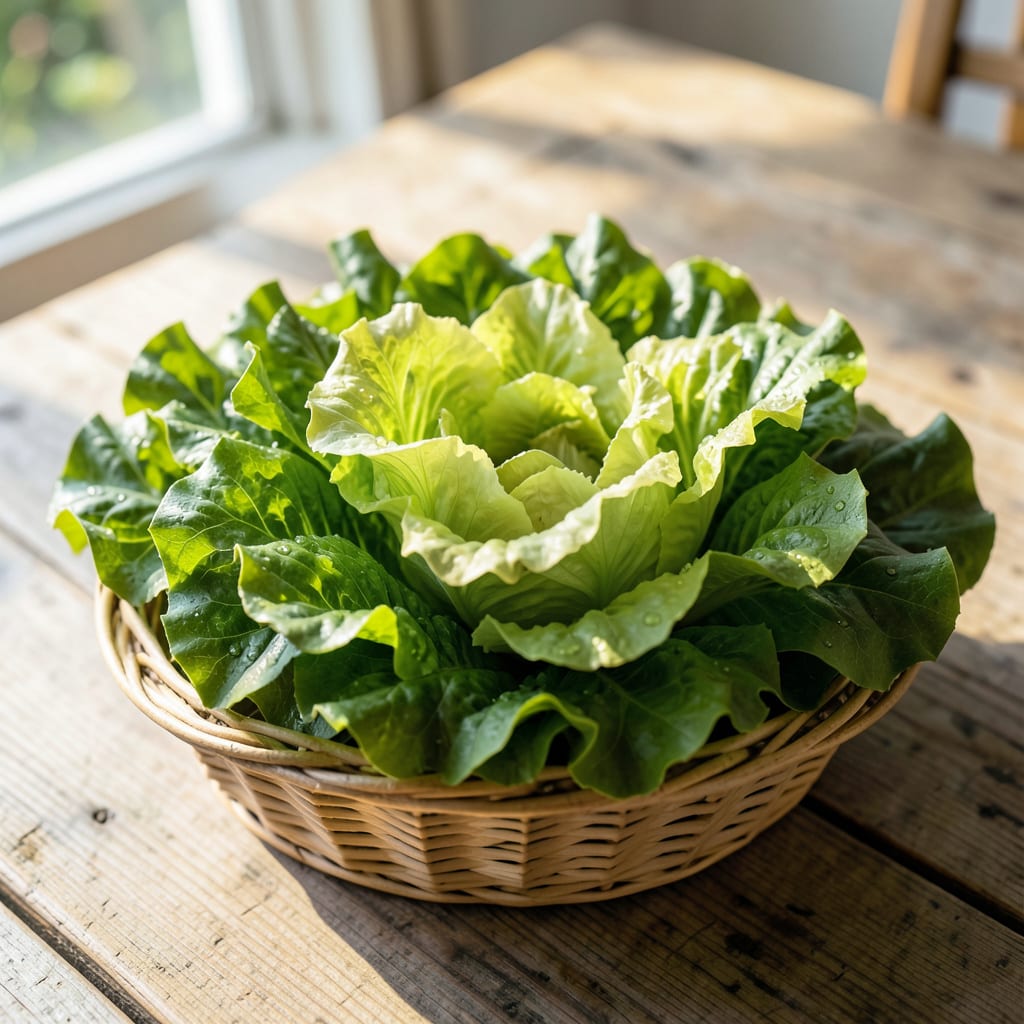
This lettuce changed my salad game forever. Black Seeded Simpson grows fast, tastes mild, and keeps producing if you harvest it right.
You’ll get tender leaves in about 30 days, and the plants stay productive for 6-8 weeks with proper care. No fancy setup needed—just good soil, consistent water, and partial sun.
📚 In This Guide
This method ensures tender leaves keep coming back all season long.
Choose a location with partial shade to full sun, though afternoon shade prevents bolting in warmer climates. Black Seeded Simpson tolerates a range of conditions but thrives in loose, well-draining soil rich in organic matter. I work a 2-3 inch layer of compost into the top 6 inches of soil before planting to ensure proper drainage and fertility.
Test soil moisture by squeezing a handful—it should hold its shape briefly but crumble when prodded. If it stays in a tight ball, it’s too wet; if it doesn’t hold at all, it’s too dry. Aim for a pH between 6.0 and 7.0 for optimal growth.
Sow seeds ¼ to ½ inch deep in rows spaced 12-18 inches apart, or scatter them for a loose-leaf patch. Lightly cover with soil and press down to ensure good seed-to-soil contact. Seeds germinate in 7-14 days at 60-70°F, though cooler temperatures may extend this slightly.
Thin seedlings to 6-8 inches apart once they develop 2-3 true leaves. Crowded plants compete for nutrients and light, leading to weak, leggy growth. I use small scissors to snip unwanted seedlings at soil level to avoid disturbing the roots of the ones I keep.
Keep the soil consistently moist but not waterlogged—1 inch of water per week is ideal, including rainfall. Water at the base of the plants in the morning to allow foliage to dry before evening, reducing the risk of fungal diseases. A drip irrigation system or soaker hose works best for even distribution.
Apply a 1-2 inch layer of organic mulch, like straw or shredded leaves, around the plants to retain moisture and suppress weeds. Mulch also keeps soil temperatures stable, which is critical for preventing premature bolting. Avoid piling mulch directly against the stems to prevent rot.
Black Seeded Simpson is a light feeder, so a single application of balanced, organic fertilizer at planting is usually sufficient. I mix a slow-release 5-5-5 fertilizer into the soil before sowing, or side-dress with compost tea every 3-4 weeks for a gentle boost. Over-fertilizing leads to rapid, weak growth and can reduce flavor.
Watch for common pests like aphids, slugs, or snails. Aphids cluster on new growth and can be dislodged with a strong spray of water. For slugs and snails, set out beer traps or use diatomaceous earth around the plants. Row covers can also protect young seedlings from flea beetles and other early-season pests.
Begin harvesting outer leaves once the plants reach 4-6 inches tall, usually 30-50 days after sowing. Use clean, sharp scissors or your fingers to snap off leaves at the base, leaving the inner growth to continue producing. Regular harvesting encourages bushier growth and delays bolting.
Avoid cutting more than one-third of the plant at a time to prevent stress. In hot weather, harvest in the morning when leaves are crisp and full of moisture. Black Seeded Simpson can be harvested this way for 6-8 weeks before it bolts or the quality declines.
Here’s what I’ve learned from seasons of growing this variety to keep your harvests abundant and your plants thriving.
The Soil Foundation: In Step 1, working that 2-3 inch layer of compost into the top 6 inches of soil isn’t just about fertility—it’s critical for drainage. Black Seeded Simpson hates soggy roots, and compacted soil will stunt growth. Test your soil’s pH as directed; if it’s below 6.0, a sprinkle of lime can help bring it into the ideal range.
Sowing Precision: When planting in Step 2, resist the urge to bury seeds deeper than ¼ to ½ inch. Any deeper, and germination slows or fails entirely. Also, those 12-18 inch row spacings give roots room to spread, but if you’re scattering seeds, aim for the same depth and thin aggressively to 6-8 inches apart once true leaves appear.
Watering Wisdom: Step 3’s directive of 1 inch of water per week is non-negotiable for consistent growth. Morning watering isn’t just tradition—it allows foliage to dry before evening, slashing fungal disease risk. If you’re hand-watering, direct the stream at the soil, not the leaves, to keep moisture where it’s needed.
Harvesting Strategy: In Step 5, harvesting outer leaves first encourages the plant to grow bushier, but never take more than one-third of the plant at once. I’ve found morning harvests in hot weather yield the crispest leaves, packed with moisture. That 6-8 week harvest window is your reward for consistent care—don’t rush it by over-picking early.
This fast-growing variety typically matures in 45-50 days from sowing. You can start harvesting baby leaves as early as 30 days for a continuous supply of tender greens.
Yes! It thrives in containers at least 6-8 inches deep. Ensure good drainage and keep the soil consistently moist for best results.
Try Buttercrunch or Oakleaf lettuce for similar texture and flavor. Both are easy to grow and offer continuous harvests like Simpson.
Bitterness often results from heat stress or overmaturity. Harvest early in cooler weather, provide shade, and water regularly to keep leaves sweet and tender.
Plant in early spring or fall, avoid high temperatures, and keep the soil moist. Mulching can also help regulate soil temperature and delay bolting.
