
Beautiful Plants For Your Interior
Beautiful Plants For Your Interior
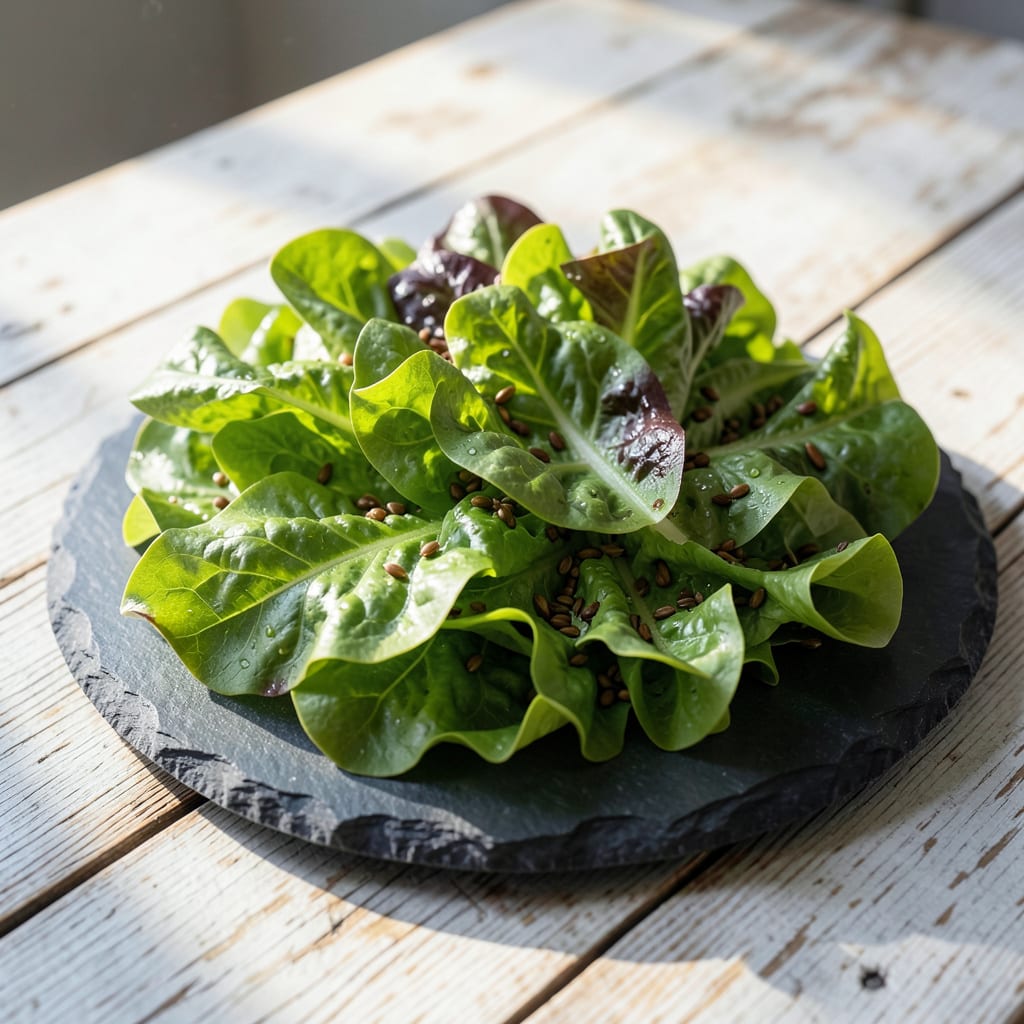
This heirloom lettuce changed my salad game forever. Black Seeded Simpson grows fast, tastes sweet, and keeps producing new leaves even after you start harvesting.
You’ll get tender, buttery-green leaves in 30 days with minimal effort—just consistent moisture and partial shade in hot weather. Perfect for containers or garden beds.
📚 In This Guide
Here’s my proven method for growing this variety with consistent results and minimal fuss.
Choose a location with partial shade to full sun, though I’ve found Black Seeded Simpson thrives best with 4-6 hours of morning sun and afternoon shade. This prevents bolting in warmer months while still providing enough light for leafy growth.
Work the soil to a depth of 8-12 inches, removing any rocks or debris. Lettuce roots are shallow but need loose, well-draining soil to establish quickly. Mix in a 1-inch layer of compost to boost fertility without overdoing nitrogen, which can lead to soft, bitter leaves.
Plant seeds ¼ inch deep in rows spaced 12-18 inches apart. The shallow depth ensures quick germination, as lettuce seeds need light to sprout. Press the soil gently after sowing but don’t pack it down—this can prevent water from reaching the seeds.
For continuous harvests, I sow a new row every 2-3 weeks. Thin seedlings to 6-8 inches apart once they develop first true leaves. Crowded plants struggle to form full heads and are more prone to disease.
Keep the soil evenly moist but not soggy. Lettuce is 90% water, so inconsistent moisture leads to bitter, tough leaves. Water at the base of the plants to avoid wetting the leaves, which can encourage fungal diseases.
Apply a 1-inch layer of straw or fine mulch around the plants. This retains moisture, suppresses weeds, and keeps the soil temperature cool—critical for preventing premature bolting in warmer weather.
Feed the plants with a balanced, water-soluble fertilizer (10-10-10) every 3-4 weeks if your soil isn’t particularly rich. Over-fertilizing, especially with nitrogen, can lead to rapid but weak growth and increased susceptibility to pests.
Watch for aphids and slugs, which love tender lettuce leaves. A strong spray of water dislodges aphids, while beer traps or diatomaceous earth can manage slugs. I inspect the plants every 2-3 days during peak pest season.
Begin harvesting outer leaves when the plant is 4-6 inches tall, typically 30-40 days after sowing. Use clean scissors to snip leaves about 1 inch above the base, allowing the inner leaves to continue growing.
For a full head harvest, wait until the plant forms a loose head, usually 50-60 days after planting. Cut the entire plant at the base, but leave the root in the soil—it may regrow a second, smaller flush of leaves if conditions are right.
These small adjustments make all the difference between a mediocre crop and a thriving one.
The Sun Factor: That 4-6 hours of morning sun in Step 1 is non-negotiable for sweet, tender leaves. Afternoon shade protects the plants from bolting, but if your garden only gets afternoon sun, you can still grow this variety—just expect a slightly shorter harvest window.
Soil Prep Insight: Working the soil to 8-12 inches as directed in Step 1 might seem excessive for shallow-rooted lettuce, but it ensures the roots have room to spread. Packing down the soil after sowing, however, is a common mistake—it creates a crust that blocks moisture and air from reaching the seeds.
Watering Technique: The 1-inch mulch layer in Step 3 does more than retain moisture—it keeps soil temperatures stable. Without it, the surface can heat up and dry out too quickly, stressing the plants. Water deeply at the base, not just the surface, to encourage those shallow roots to grow downward.
Thinning Strategy: When thinning to 6-8 inches apart in Step 2, don’t pull the extras—snip them at soil level with scissors. Pulling disturbs the roots of the plants you want to keep, which can set their growth back by days.
Black Seeded Simpson lettuce typically matures in 50-60 days, but you can start harvesting baby leaves in just 30-40 days for a continuous supply.
Yes! This variety thrives in containers. Use a pot at least 6-8 inches deep with well-draining soil, and ensure it gets 4-6 hours of sunlight daily.
Plant in early spring or late summer for cool-season growth. Avoid extreme heat, as it can cause bolting (premature flowering).
Use row covers to protect young plants, and spray with a mild soap-water solution if pests appear. Companion planting with herbs like dill or chamomile can also deter pests.
Try Oakleaf, Buttercrunch, or Romaine lettuce for similar leafy greens with slightly different textures and flavors.
