
Beautiful Plants For Your Interior
Beautiful Plants For Your Interior
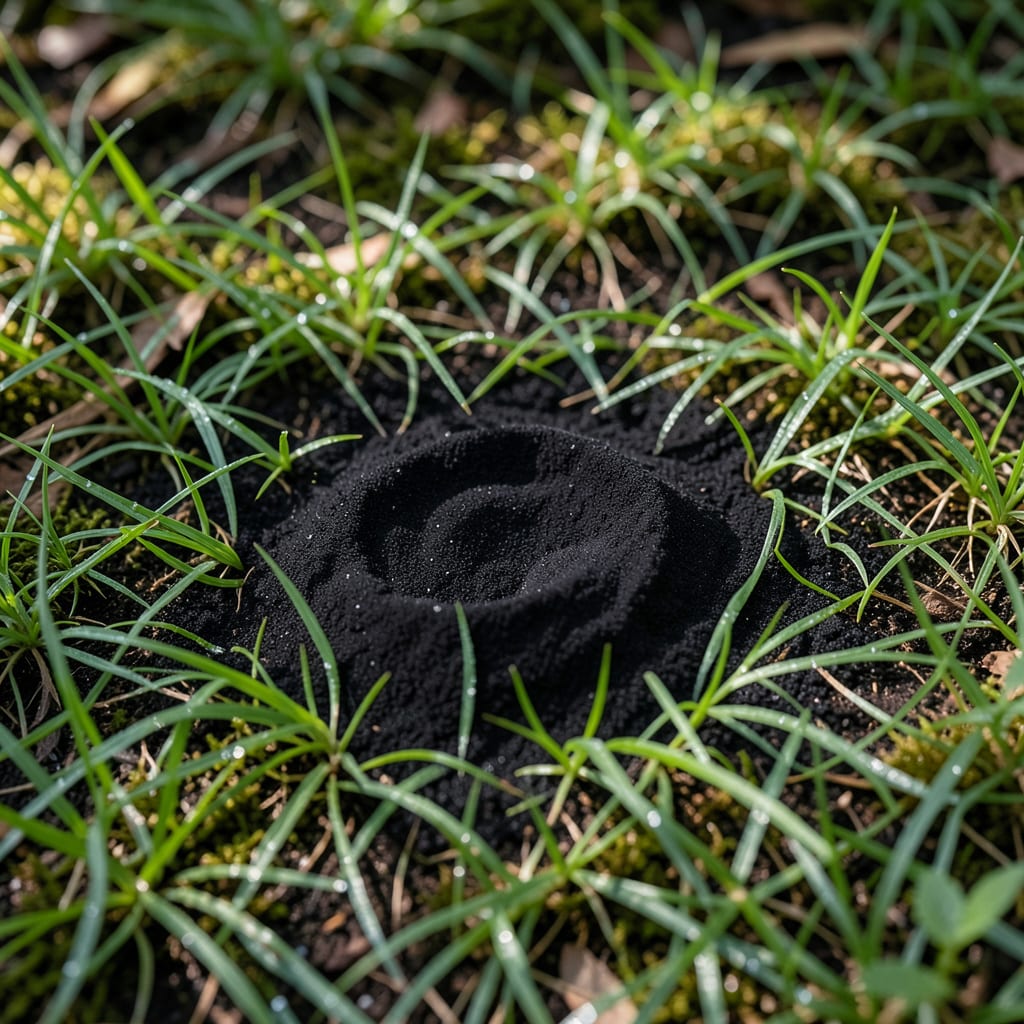
That black dust on your lawn isn’t dirt—it’s trouble. I first spotted it last summer after a stretch of humid mornings and heavy watering.
Turns out, this fungus loves moist conditions and thick thatch layers. Kentucky bluegrass and fescue are especially vulnerable when they stay damp too long. The good news? It’s fixable without harsh chemicals.
Simple changes in watering habits and thatch management cleared it up for me. Now I check the lawn’s drainage first thing when I see those dark patches forming.
You’ll notice the difference within 2-3 weeks of adjusting your routine. The grass regains its color and the fungus disappears.
The black powdery fungus on your lawn, often Sphacelotheca or sooty mold, thrives under specific environmental and cultural conditions. Here’s why it appears:
Fungi like sooty mold and slime mold flourish in damp conditions. Overwatering, poor drainage, or high humidity create the perfect breeding ground. Grass blades stay wet longer, allowing spores to germinate and spread. Pro tip: Water deeply but infrequently (1–1.5 inches per week) and always in the early morning to allow grass to dry quickly.
A thatch layer thicker than ½ inch traps moisture and blocks air circulation, fostering fungal growth. Organic debris (dead grass, leaves) decomposes slowly, feeding the fungus. Aerate your lawn annually and dethatch if needed to improve airflow and drainage.
Dense grass varieties (like Kentucky Bluegrass or Fescue) or overgrown lawns restrict airflow, keeping foliage wet. Prune nearby shrubs, mow regularly (never remove more than ⅓ of the blade), and choose resistant grass types for your climate.
Temperatures between 60–80°F (15–27°C) with high humidity (70%+) accelerate fungal spores’ growth. This is common in spring and fall. Reduce evening watering and improve sunlight exposure to discourage development.
Over-fertilizing with nitrogen creates lush, tender growth that’s more susceptible to disease. Conversely, potassium-deficient soil weakens grass, making it vulnerable. Test your soil and apply a balanced fertilizer (e.g., 10-10-10) with micronutrients to strengthen turf.
Tackling that unsightly black powdery fungus on your lawn starts with addressing its root causes. Below are targeted solutions for the most common triggers, along with prevention tips to keep your grass healthy long-term.
If a thick layer of thatch (more than ½ inch) is trapping moisture, dethatch your lawn using a dethatching rake or machine. Follow up with core aeration to improve soil airflow and water penetration. Prevention: Dethatch annually in early spring or fall, and avoid over-fertilizing, which fuels excessive thatch buildup.
Poor drainage creates a breeding ground for fungus. Fix low spots in your lawn with topsoil, and consider installing a French drain if water pools frequently. Water your lawn early in the morning (5–9 AM) so grass blades dry quickly. Prevention: Test drainage by digging a small hole and filling it with water—if it doesn’t drain within 4 hours, amend the soil with sand or organic matter.
Compacted soil suffocates roots and traps moisture. Aerate the lawn with a manual or mechanical aerator, then top-dress with compost to improve soil structure. For severe compaction, mix in gypsum to break up clay. Prevention: Aerate at least once a year, especially in high-traffic areas.
Over-fertilizing with nitrogen can promote fungal growth. Switch to a slow-release, balanced fertilizer (e.g., 10-10-10) and follow label instructions carefully. If a soil test reveals deficiencies, amend with the right nutrients. Prevention: Fertilize in moderation, and avoid late-season nitrogen applications that encourage tender, fungus-prone growth.
In persistently humid conditions, apply a copper-based or neem oil fungicide as a preventative. Trim nearby shrubs or trees to increase sunlight and airflow. Prevention: Mow grass slightly higher (3–4 inches) to reduce moisture retention and improve air circulation at the base.
💡 Pro Tip: Always rake up grass clippings and fallen leaves promptly—they’re a funnel for moisture and fungus!
It rarely kills grass but weakens it over time. The black coating blocks sunlight, reducing photosynthesis. Left untreated, it can thin your lawn and make it more susceptible to other diseases.
Yes, but clean your mower blades afterward with rubbing alcohol. Mowing spreads spores, so bag clippings from infected spots. Never compost them.
This fungus is grass-specific and won’t jump to flowers or vegetables. However, it can spread between lawn areas. Improve airflow and reduce moisture to contain it.
Rub a white cloth over the black patches. If it leaves a powdery residue, it’s fungal. Dirt would smear. Test in early morning when dew makes it visible.
