
Beautiful Plants For Your Interior
Beautiful Plants For Your Interior
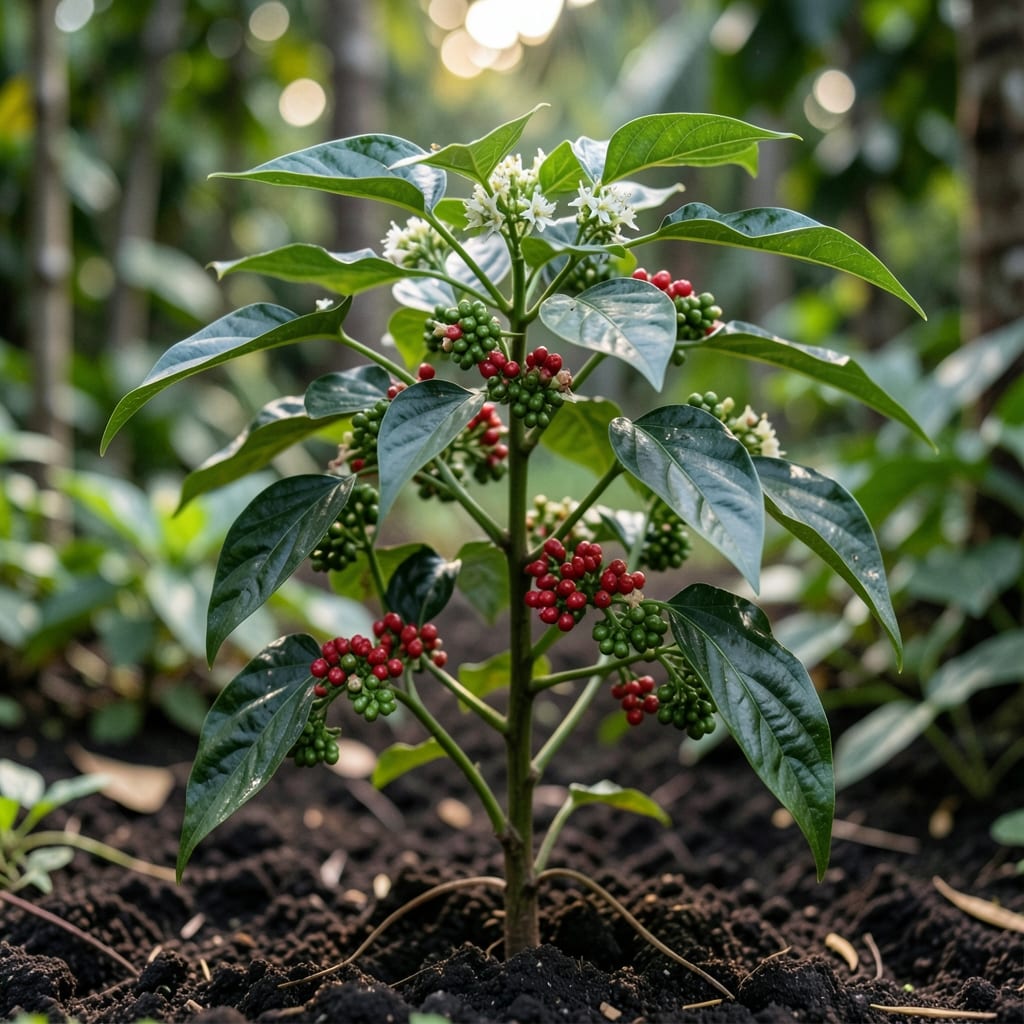
Small amounts of black pepper are generally safe for dogs, but large quantities can irritate their stomach. Always introduce it gradually and consult your vet first.
Dogs process spices differently than we do because their systems aren’t built for strong seasonings. I’ve seen cases where even a pinch caused mild discomfort, so starting with tiny doses is key. Their stomachs can react to the piperine compound, which might lead to vomiting or diarrhea if overused. 🔥
If you’re experimenting, try mixing a dash into their regular meal and monitor for any unusual behavior. Safer alternatives like turmeric or parsley often provide similar flavor benefits without the risks. ✨
💡 In This Article
Dogs lack the same digestive enzymes as humans, making piperine—the active compound in black pepper—harder to process. Their stomachs have a higher pH (1-2 vs human 4-5), which means acidic compounds like piperine can trigger irritation more easily. Even 1/8 teaspoon can cause mild discomfort in sensitive dogs. 🔥
The spice stimulates gastric acid production, potentially leading to nausea or vomiting if consumed in excess. Unlike humans, dogs have fewer taste receptors for spicy flavors, so they don’t experience the “heat”—just the physical reaction. Their intestinal lining is also more permeable, allowing piperine to enter the bloodstream faster. ✨
Small doses (a pinch or 1/16 teaspoon for a 50-lb dog) are typically harmless, but cumulative exposure can build up. Piperine may also interfere with medication absorption, particularly for drugs metabolized by the liver. Always space out spice introduction by 2-3 days to monitor effects. 💫
Breeds with sensitive stomachs (like Bulldogs or Poodles) react more strongly. The compound can also trigger allergic responses in rare cases, manifesting as itching or ear infections. Unlike turmeric, which has anti-inflammatory benefits, black pepper offers no nutritional value to canines. ⚡
If your dog consumes a large amount (1/2 teaspoon+), watch for vomiting, diarrhea, or lethargy within 6-12 hours. Their faster metabolism means symptoms appear quickly but also resolve faster than in humans. Hydration is key to flushing the system. 🌟
A tiny amount (1/16 teaspoon) usually causes no issues, but watch for mild stomach upset. Their system processes piperine quickly, so symptoms like burping or slight lethargy should pass within 12 hours.
No, it offers no digestive benefits for canines. Unlike turmeric, black pepper’s piperine doesn’t aid their health and may irritate sensitive stomachs. Stick to vet-approved supplements for digestive support.
Look for itching, red skin, or ear infections within 24 hours of eating it. Allergic reactions are rare but can escalate quickly—contact your vet if symptoms appear or worsen.
Yes! Try dog-safe herbs like parsley, basil, or a pinch (1/8 teaspoon) of cinnamon. These add flavor without the risks of piperine or other compounds.