
Beautiful Plants For Your Interior
Beautiful Plants For Your Interior
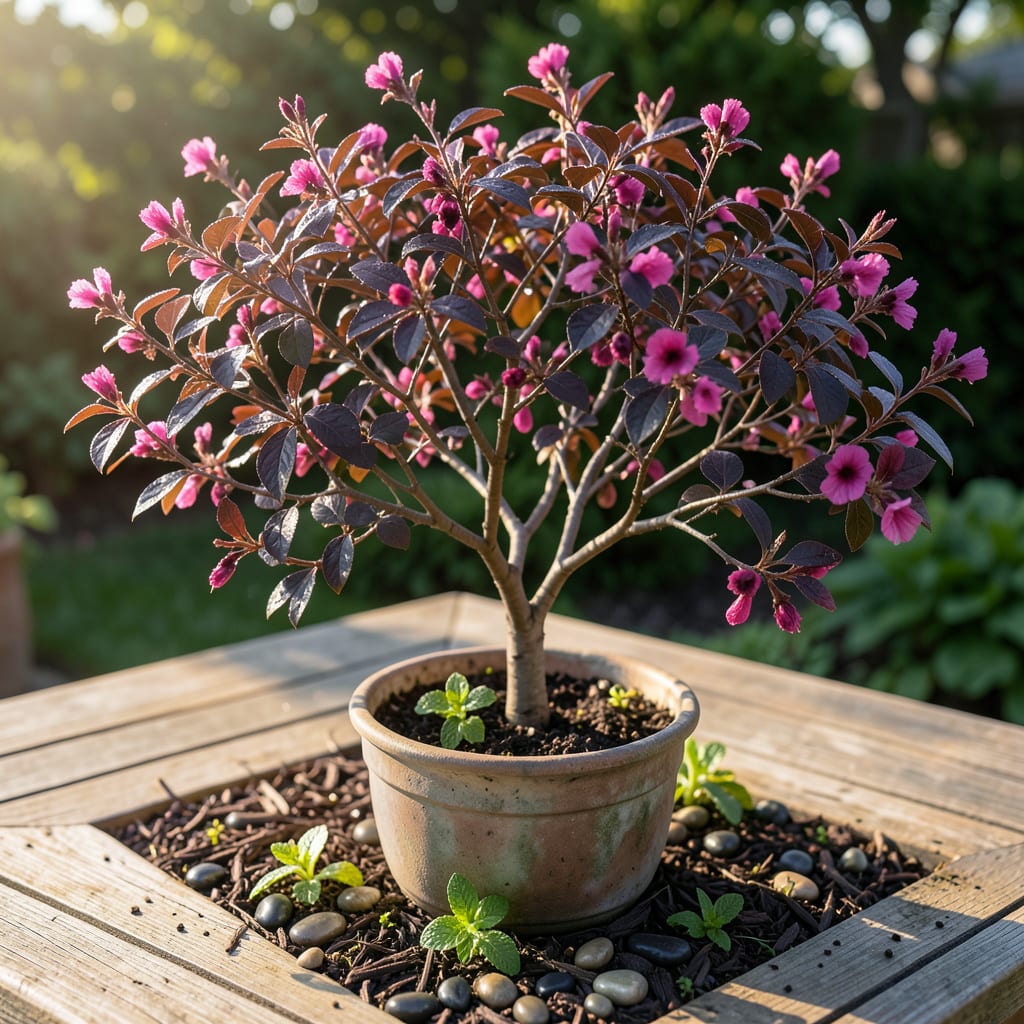
Dark purple leaves and shocking magenta blooms that stop neighbors in their tracks. I planted my first Black Pearl redbud three years ago, and it’s still the showpiece of my spring garden.
This tree thrives in full sun to partial shade and well-draining soil, and it’s surprisingly drought-tolerant once established. You’ll get 4 weeks of vibrant color before the foliage deepens to near-black for summer drama.
📚 In This Guide
Here’s the method I use to establish this stunning ornamental tree with minimal stress and maximum impact.
Select a site with full sun to partial shade, though morning sun and afternoon shade is ideal in hotter climates. The Black Pearl Eastern Redbud thrives in well-draining soil with a slightly acidic to neutral pH (6.0–7.0). Avoid low-lying areas where water pools, as soggy roots will suffocate the tree.
I always test drainage by digging a 12-inch-deep hole and filling it with water. If it drains within 1–2 hours, the spot is suitable. If not, amend the soil with compost or choose a different location. This step prevents root rot, a common killer of young redbuds.
Dig a hole that’s twice as wide as the root ball but no deeper. A wide hole encourages roots to spread outward, anchoring the tree securely. Rough up the sides of the hole with your shovel to break through compacted soil, which helps roots penetrate the surrounding earth more easily.
If your soil is heavy clay, mix in 50% compost or aged manure to improve drainage and fertility. Real talk: skipping this step in clay soil often leads to stunted growth. The amended soil gives the tree a head start while it adapts to its new home.
Gently remove the tree from its container and loosen any circling roots with your fingers. Position it in the hole so the top of the root ball sits 1–2 inches above the surrounding soil. This slight mound prevents water from pooling around the trunk, which can cause rot.
Backfill the hole with native soil, tampering lightly as you go to eliminate air pockets. Water thoroughly once the hole is half-filled to settle the soil, then finish backfilling. I’ve found that watering midway prevents the tree from sinking too deeply after the first rain.
Spread a 2–3 inch layer of organic mulch (wood chips or shredded bark) around the base, keeping it 3–4 inches away from the trunk. Mulch retains moisture, suppresses weeds, and regulates soil temperature, all critical for the first growing season.
Water deeply 2–3 times per week for the first 3–4 months, ensuring the soil stays evenly moist but not waterlogged. After establishment, the tree becomes drought-tolerant, but consistent moisture during the first year is non-negotiable. Check soil moisture by sticking your finger 2 inches deep—if it feels dry, it’s time to water.
After planting, keep an eye out for signs of stress, like wilting or yellowing leaves. This often indicates under- or overwatering. The Black Pearl Eastern Redbud is low-maintenance, but it will drop leaves prematurely if the soil stays too wet or too dry.
Fertilize lightly in early spring with a balanced, slow-release fertilizer (10-10-10) if growth seems sluggish. However, avoid heavy feeding—this tree performs best with minimal intervention once established. Prune only to remove dead or crossing branches, ideally in late winter before new growth starts.
Planting this tree correctly sets the stage for years of vibrant blooms and healthy growth.
Site Preparation Insight: That drainage test in Step 1 is non-negotiable. If your 12-inch-deep hole doesn’t empty within 1–2 hours, don’t risk it—amend the soil or pick a new spot. Root rot from poor drainage is the number one reason these trees fail to thrive.
Planting Depth Critical: In Step 3, positioning the root ball 1–2 inches above surrounding soil might seem counterintuitive, but it prevents the dreaded “trunk rot” that happens when water pools at the base. I learned this the hard way after losing a sapling to overzealous watering.
Clay Soil Solution: For heavy clay soils in Step 2, that 50% compost or aged manure混合 isn’t just helpful—it’s essential. The amendment creates pockets of oxygen that clay naturally lacks, giving roots room to breathe as they establish.
Watering Wisdom: During those first 3–4 months, deep watering 2–3 times per week beats daily light sprinkles. The deep approach encourages roots to grow downward in search of moisture, creating a more drought-resistant tree long-term.
This compact cultivar typically reaches 10–15 feet tall and 8–12 feet wide, making it perfect for small gardens or containers. Its manageable size ensures easy maintenance without sacrificing its stunning magenta blooms.
Expect vibrant magenta flowers in early to mid-spring, often before leaves emerge. Blooms last 2–3 weeks, adding a bold pop of color to kickstart the growing season.
For similar drama, try ‘Forest Pansy’ (purple foliage) or ‘Ruby Falls’ (weeping habit). If you want white blooms, ‘Alba’ is a classic choice. All thrive in similar conditions.
Common causes include immature age (may take 3–5 years), insufficient sunlight (needs full sun to partial shade), or pruning at the wrong time. Avoid trimming after summer to protect next year’s buds.
Moderately deer-resistant, but no plant is completely safe. Young trees may need protection. Use repellents or fencing if deer are a persistent issue in your area.
