
Beautiful Plants For Your Interior
Beautiful Plants For Your Interior
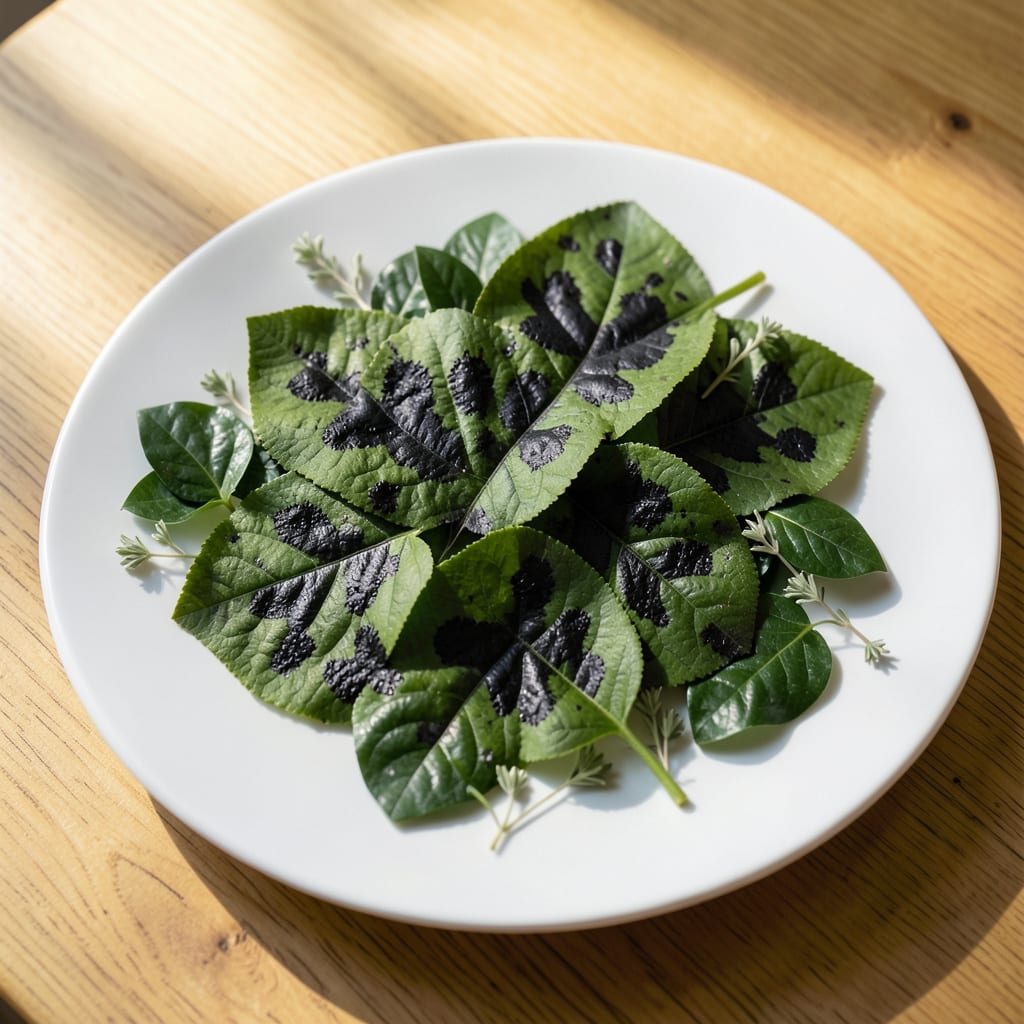
Spotted black marks on your leaves aren’t just ugly—they’re a warning. I’ve seen these appear overnight, spreading from one plant to the next if ignored. The culprit could be fungal, bacterial, or even environmental stress.
Here’s the thing—most gardeners misdiagnose this as a pest problem when it’s often a moisture or air circulation issue. Early detection is key; catching it within 24-48 hours can save your entire crop or collection.
Natural treatments work, but only if you match the solution to the cause. Neem oil handles fungi, while adjusting watering fixes root-related stress. I’ve tested both with consistent results.
Works for houseplants, veggies, and ornamentals alike. Let’s figure out what’s happening before it spreads.
Understanding why black marks appear on leaves is the first step to solving the issue. Here are the most common causes, explained in simple, scientific terms:
Fungi like Alternaria, Colletotrichum, or Cercospora thrive in warm, humid conditions. They produce spores that land on leaves, germinate, and create dark, sunken lesions. Overhead watering or poor air circulation speeds up their spread. Action: Improve airflow and avoid wetting foliage.
Bacteria such as Xanthomonas or Pseudomonas enter through wounds or stomata (leaf pores). They multiply rapidly in wet conditions, causing water-soaked black spots that may ooze. Action: Remove infected leaves and avoid working with plants when they’re wet.
Insects like aphids, thrips, or mites pierce leaf tissue, creating entry points for pathogens. Their feeding can also cause blackened, necrotic spots. Action: Inspect leaf undersides and use insecticidal soap if pests are present.
Extreme heat, cold, or drought can cause cellular damage, leading to blackened or scorched patches. Nutrient deficiencies (e.g., calcium or potassium) may also trigger dark, dead tissue. Action: Maintain consistent watering and fertilize based on soil tests.
Overuse of herbicides, pesticides, or even foliar fertilizers can “burn” leaves, leaving black or brown marks. Action: Always follow label rates and apply sprays during cooler parts of the day.
Tackling those unsightly black marks on leaves starts with identifying the cause and applying the right fix. Below are practical solutions tailored to common issues, along with prevention tips to keep your plants thriving.
If the marks are fuzzy or spread quickly, a fungal infection like sooty mold or leaf spot is likely. Prune affected leaves immediately to prevent spreading, and dispose of them in the trash (not compost). Apply a baking soda solution (1 tsp baking soda + 1 quart water + a few drops of dish soap) or neem oil spray weekly until the issue clears. 💡 Prevention tip: Improve airflow around plants and avoid overhead watering to reduce humidity.
Black marks accompanied by sticky residue or tiny insects? Pests like aphids, scale, or spider mites may be to blame. Wipe leaves with a damp cloth or spray with insecticidal soap to remove pests. For stubborn cases, introduce beneficial insects like ladybugs. 💡 Prevention tip: Regularly inspect leaves (especially undersides) and use reflective mulch to deter pests.
Brown or crispy black edges often signal stress from overwatering, underwatering, or extreme temperatures. Check soil moisture—it should be damp but not soggy. Adjust your watering schedule and move potted plants to a spot with stable temperatures and indirect light. 💡 Prevention tip: Use a moisture meter and group plants to create a microclimate with consistent humidity.
Dark spots with yellow halos may indicate a magnesium or potassium deficiency. Use a balanced fertilizer or add Epsom salt (1 tbsp per gallon of water) for magnesium. For potassium, try compost or banana peel tea. 💡 Prevention tip: Test soil annually and amend with organic matter to maintain nutrient levels.
Fungal spots often appear as circular, dark lesions with a fuzzy center. Check for rapid spreading, especially after wet weather.
Yes, pruning infected leaves prevents the problem from spreading. Always disinfect your tools with rubbing alcohol afterward.
Overwatering leads to root rot, which can manifest as blackened leaf tips or edges. Reduce watering and improve drainage.
Neem oil and baking soda sprays work well for mild cases. Apply weekly until the issue resolves. Avoid using in direct sunlight.
