
Beautiful Plants For Your Interior
Beautiful Plants For Your Interior
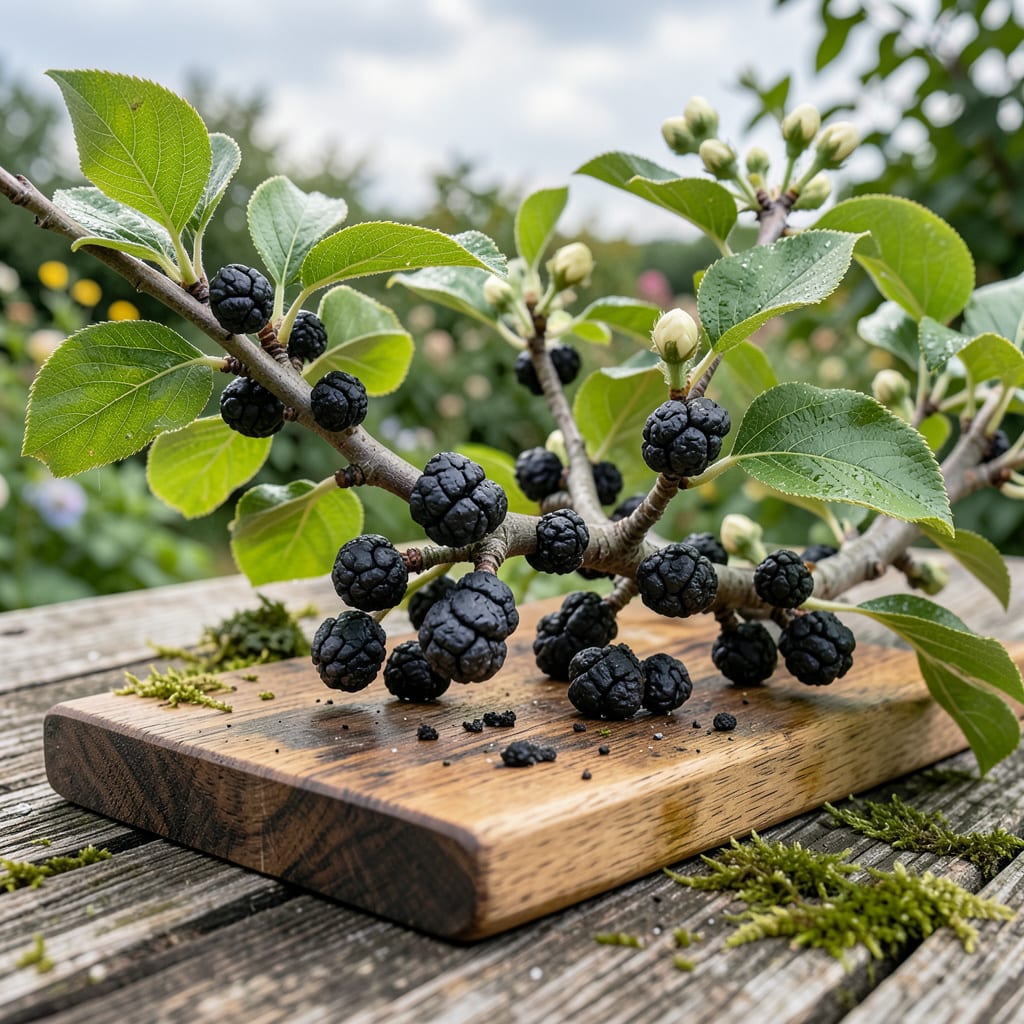
That ugly black growth on your plum tree isn’t dirt—it’s a fungal invader. I first spotted black knot on my neighbor’s tree and ignored it until it jumped to mine. The disease spreads fast, choking branches and killing fruit production if left unchecked.
Identifying it early saves your tree. Look for olive-green swellings in spring that turn black and hard by summer. These galls can grow up to 12 inches long, and they’re impossible to miss once they mature.
Removal is your best defense. Prune infected branches 2-4 inches below the gall in dry weather, then burn or trash them—never compost. Sterilize your tools between cuts to prevent spreading spores.
Prevention means vigilance. Inspect trees in late winter for early signs, choose resistant varieties like ‘Stanley’ or ‘Methley’, and keep your orchard clean of fallen debris where the fungus overwinters.
The Apiosporina morbosa fungus is the primary culprit behind black knot disease in plum trees. This pathogen thrives in specific environmental conditions and spreads through several key mechanisms. Below are the main causes, explained in detail to help you understand and address the issue.
Black knot fungus flourishes in moist, humid environments. Prolonged periods of rain, dew, or high humidity (especially in spring) create the perfect breeding ground for spores to germinate and infect trees. Trees in poorly drained soil or crowded plantings with limited airflow are particularly vulnerable.
The fungus releases spores from existing galls (black knots) on infected trees, which are carried by wind or rain to healthy trees. Pruning or handling infected wood can also spread spores if tools are not properly sanitized. Even fallen infected branches can harbor spores that reinfect the tree or nearby hosts.
While black knot affects all Prunus species (plums, cherries, peaches, etc.), some varieties are more susceptible than others. For example, Prunus domestica (European plums) and Prunus cerasifera (cherry plums) are highly prone to infection. Stress from drought, poor soil, or pest damage can further weaken trees, making them easier targets.
The fungus survives winter in the form of hard, black galls on branches. These structures release spores in spring when temperatures rise above 50°F (10°C) and moisture is present. Without removal, the cycle repeats yearly, worsening the infection over time.
Tackling black knot on plum trees requires a mix of removal, treatment, and prevention. Below are targeted solutions for each stage of the disease, along with tips to keep your tree healthy long-term.
Cut off all branches showing black, swollen galls at least 4–6 inches below the knot to ensure the fungus is fully removed. Sterilize your pruning tools with rubbing alcohol between cuts to prevent spreading spores. Burn or dispose of infected wood—never compost it, as the fungus can survive.
For severe infections or as a preventive measure, apply a copper-based fungicide or lime sulfur spray in early spring (before buds swell) and again in fall after leaf drop. Follow label instructions for dilution and safety. Reapply after heavy rain.
Stressed trees are more vulnerable. Improve vigor by:
🎯 Pro Tip: Prune on dry, sunny days to help wounds heal faster and reduce fungus spread.
Spores travel by wind and rain, so nearby trees can show symptoms within 1-2 seasons if untreated. Early removal of galls prevents rapid spread to healthy branches.
If over 50% of branches are infected, removal may be necessary. For less severe cases, aggressive pruning and fungicide can restore health over 2-3 years.
Prune during dormant season (late winter) before buds swell. Always cut on dry days to minimize spore release.
Yes! ‘Stanley’ and ‘Methley’ show strong resistance. Avoid highly susceptible types like ‘Brookgold’ or ‘Santa Rosa’.
