
Beautiful Plants For Your Interior
Beautiful Plants For Your Interior
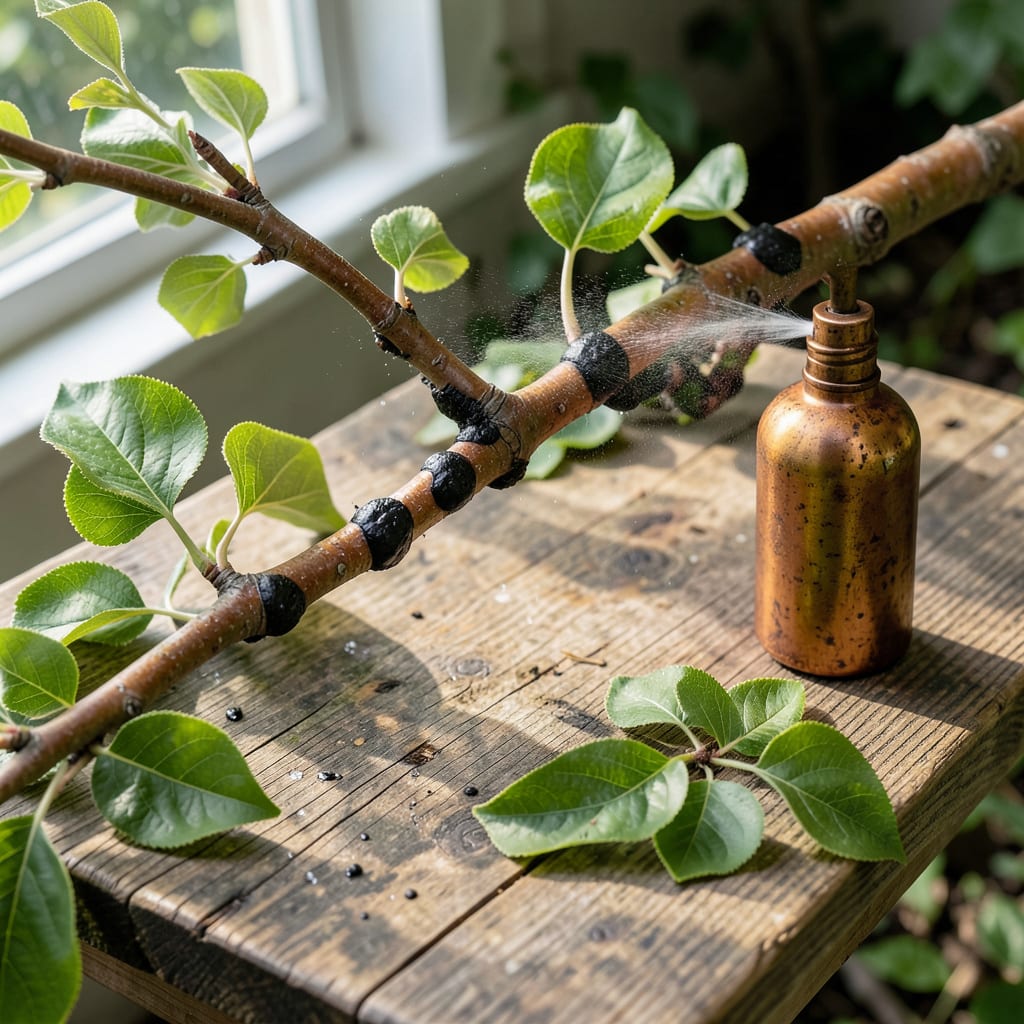
That ugly black swelling on your plum tree isn’t just ugly—it’s spreading. Black knot disease hits cherries and plums hardest, turning branches into grotesque, twisted growths that choke the life out of your trees.
I lost an entire cherry tree before learning this: early detection is everything. The disease starts as small olive-green swellings in late summer, then darkens and hardens into the namesake black knots by winter.
Here’s the thing—pruning is your first and best defense. Cut 6-8 inches below any knot, sterilize your tools between cuts, and remove all infected wood from your property immediately.
Organic fungicides like copper sprays work as preventive measures, but timing is critical. Apply in early spring and again after leaf drop for maximum protection.
Black knot disease, caused by the fungus Apiosporina morbosa, thrives under specific environmental and biological conditions. Understanding these triggers helps in prevention and targeted black knot disease treatment.
The fungus spreads most aggressively during prolonged wetness. Rain, heavy dew, or poor air circulation create ideal conditions for spore release and infection. Trees in damp, shaded areas are especially vulnerable, as moisture lingers on branches, giving spores more time to germinate.
Plum and cherry trees (including ornamental varieties like Prunus cerasifera and Prunus serrulata) are primary hosts. The fungus exploits natural weaknesses in these species, particularly new growth or wounds. Even healthy trees can fall victim if exposed to spores during their active growing season.
Open wounds from pruning, storms, or insect damage provide direct entry points for A. morbosa. Improperly sterilized pruning tools can also spread the fungus between trees. Always disinfect tools with a 10% bleach solution or rubbing alcohol after each cut to minimize risk.
The fungus releases spores in spring and early summer, which travel via wind or splashing water to infect nearby trees. Overhead irrigation or dense plantings can exacerbate spore spread, making spacing and watering methods critical in disease management.
Black knot disease can be managed effectively with the right approach. Below are targeted solutions for each cause, along with prevention tips to keep your trees healthy.
If you spot the characteristic black, swollen galls on your tree, act fast. Prune infected branches at least 2–4 inches below the gall to ensure complete removal of the fungus. Sterilize your pruning tools with rubbing alcohol or a bleach solution (1 part bleach to 9 parts water) between cuts to prevent spreading the disease. Burn or dispose of the infected material—never compost it, as the fungus can survive and reinfect.
For severe infections or as a preventive measure, fungicides can be highly effective. Apply a copper-based fungicide or lime sulfur spray in early spring before buds swell, and repeat after petal fall. Follow the manufacturer’s instructions for dosage and timing. Organic options like neem oil can also help, but may require more frequent applications.
A healthy tree is better equipped to resist disease. Improve air circulation by thinning out crowded branches, and avoid overhead watering to reduce moisture on leaves. Fertilize in early spring to strengthen the tree, and water deeply but infrequently to encourage strong root growth. Mulching around the base (but not touching the trunk) helps retain moisture and suppress weeds.
With consistent care and quick action, you can stop black knot in its tracks and enjoy thriving, beautiful trees for years to come. ✨
Prune during dry winter months or early spring before buds swell. This timing minimizes spore spread. Always cut 2-4 inches below visible knots and sterilize tools between cuts.
No, never compost infected wood. The fungus can survive and spread. Instead, burn it or dispose of it in sealed bags with your trash.
Apply copper-based fungicide in early spring before buds swell, then repeat after petal fall. For severe cases, a third application in mid-summer may be needed.
Some resistant plum varieties include ‘Stanley’ and ‘Methley’. For cherries, ‘Montmorency’ and ‘Meteor’ show good resistance. Always check with local nurseries for region-specific recommendations.
