
Beautiful Plants For Your Interior
Beautiful Plants For Your Interior
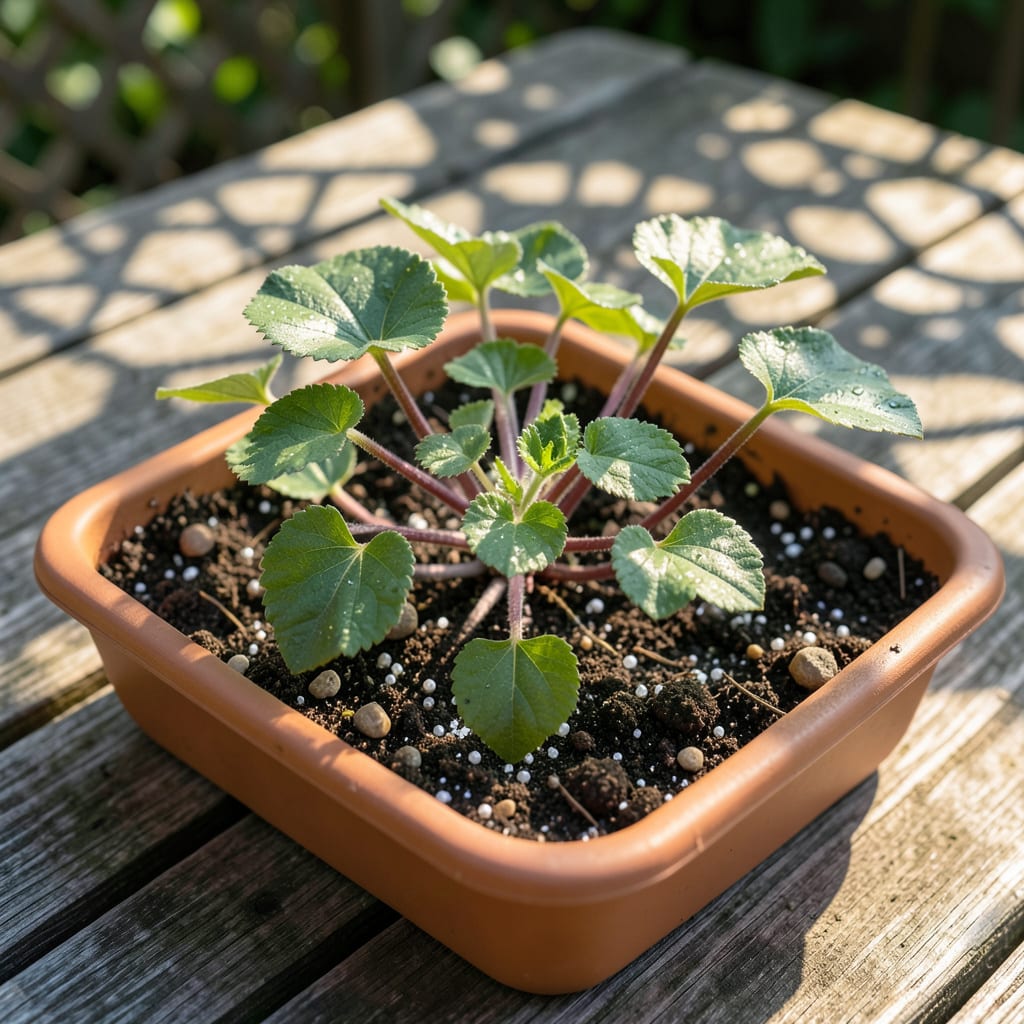
First time growing black eyed susan vines from seed? I remember staring at a tray of green sprouts, completely unsure which were my future bloomers.
The true leaves appear after the initial seed leaves, shaped like tiny hearts with slightly serrated edges. Unlike imposters, they develop that signature dark center early, even in miniature form.
Within 2-3 weeks of germination, you’ll spot the first true leaves unfolding. That’s your signal to thin seedlings, giving each space to develop its climbing tendency.
Works for container or garden starts. This pattern never fails me.
Identifying Thunbergia alata (black eyed Susan vine) seedlings can be tricky, especially for beginners. The confusion often stems from subtle differences in early growth stages. Below are the most common causes, backed by botanical science and practical observations.
Seedlings first produce cotyledons—simple, oval-shaped false leaves that lack the vine’s signature shape. These are not true leaves and often mislead gardeners into dismissing the plant as a weed. True leaves emerge later, with a lance-shaped, slightly serrated edge, which is the first reliable identifier.
Young Thunbergia alata seedlings resemble other fast-growing vines like Ipomoea (morning glory) or Lathyrus (sweet pea). The key difference lies in the leaf arrangement: black eyed Susan vine seedlings develop opposite leaves early on, while morning glories have alternate leaves. A magnifying glass helps spot these nuances.
Temperature, light, and soil moisture affect seedling morphology. Cool temperatures may delay true leaf formation, while excessive shade can cause etiolation (elongated, weak stems), further obscuring identification. Ensure seedlings receive 6-8 hours of indirect light and consistent moisture to promote typical growth patterns.
Identifying Black Eyed Susan vine seedlings can be tricky, but these targeted fixes will help you distinguish them from lookalikes and ensure healthy growth.
Fix: Examine the first true leaves, which appear after the initial cotyledons (seed leaves). Black Eyed Susan vine seedlings have oval, slightly serrated true leaves with a vibrant green hue. If the leaves are smooth or round, it’s likely a different plant.
Prevention: Start seeds in labeled trays to avoid mix-ups. Use a seedling identification chart for reference.
Fix: Ensure seedlings get 6-8 hours of sunlight daily and maintain consistent moisture (not soggy). A balanced liquid fertilizer (10-10-10) can boost growth if nutrients are lacking.
Prevention: Use well-draining soil and avoid overcrowding seeds. Thin seedlings to 6 inches apart for optimal air circulation.
Fix: Check for aphids or spider mites, which cause curled or discolored leaves. Spray with neem oil or insecticidal soap, focusing on leaf undersides. Healthy seedlings have firm stems and no webbing or sticky residue.
Prevention: Inspect plants weekly and introduce beneficial insects like ladybugs.
Fix: Compare seedlings to common doppelgängers like morning glories (heart-shaped leaves) or nasturtiums (round leaves). Black Eyed Susan vines have a vining habit early on—look for tendrils.
Prevention: Plant seeds in separate pots until true leaves emerge, then transplant.
With these steps, you’ll confidently identify and nurture your Black Eyed Susan vine seedlings! 🌿
True leaves typically emerge 7-14 days after germination, following the initial cotyledons. They’ll be slightly serrated and heart-shaped, making identification easier.
Look for opposite leaf pairs and a climbing tendency. Weeds usually have random leaf patterns and lack the vine’s signature vining habit.
Yes, but wait until they have 2-3 sets of true leaves. This ensures they’re strong enough to handle the move without shock.
This is often caused by insufficient light, leading to etiolation. Provide 6-8 hours of indirect light daily for sturdy growth.
