
Beautiful Plants For Your Interior
Beautiful Plants For Your Interior
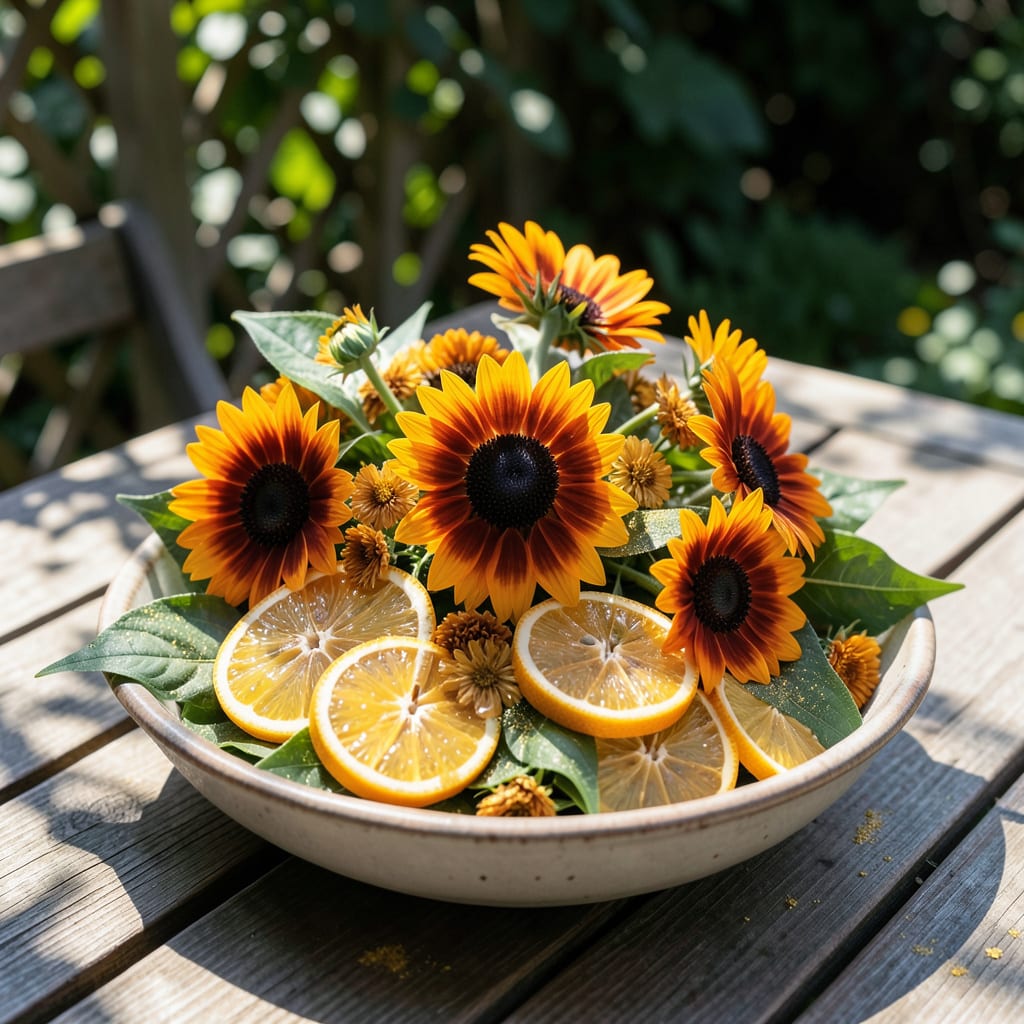
This vine transformed my boring fence into a vibrant orange wall of blooms. It climbs fast, needs minimal care, and the flowers keep coming from summer through fall.
Plant it in well-draining soil with full sun, water when the top inch feels dry, and watch it take over. The orange variety stands out against any backdrop—perfect for trellises that need a pop of color.
📚 In This Guide
Here’s how I get vibrant orange blooms climbing up any structure with minimal effort.
Select a spot with full sun to partial shade—this vine thrives in 6+ hours of sunlight but tolerates afternoon shade in hotter climates. I always check the area throughout the day to ensure it gets enough light without scorching the leaves.
Ensure the location has a sturdy trellis, fence, or support structure at least 4-6 feet tall. Black Eyed Susan vine climbs via twining stems, so it needs something to wrap around. Without support, it will sprawl across the ground, which looks messy and reduces flowering.
Work the soil to a depth of 12-18 inches, removing weeds and breaking up clumps. This vine isn’t picky about soil types but performs best in well-draining, moderately fertile ground. I mix in a 2-inch layer of compost to give it a nutrient boost without overdoing it.
If your soil is heavy clay or drains poorly, amend it with sand or perlite. Standing water will rot the roots, so proper drainage is non-negotiable. Test by digging a 1-foot hole, filling it with water, and ensuring it drains within 1-2 hours.
Dig a hole twice as wide and just as deep as the root ball. Place the plant in the hole, ensuring the top of the root ball sits level with the surrounding soil. I space vines 12-18 inches apart to give them room to spread without overcrowding.
Backfill the hole with soil and press down gently to remove air pockets. Water deeply right after planting to help the roots settle in. You’ll know it’s properly hydrated when the soil feels moist 2-3 inches down but isn’t waterlogged.
Gently twine the young stems around the support structure to get them started. Once they take hold, they’ll climb on their own. I check weekly to ensure no stems are growing away from the support, redirecting them as needed.
Water the vine 1-2 times per week, or more often in extreme heat. Let the top inch of soil dry out between waterings to prevent root rot. You’ll see the leaves wilt slightly when it’s thirsty—this is your cue to water.
Fertilize lightly with a balanced, water-soluble plant food every 4-6 weeks during the growing season. Too much fertilizer leads to lush foliage but fewer blooms, so don’t overdo it.
Deadhead spent blooms regularly to encourage continuous flowering. I simply pinch off the faded flowers with my fingers, which also prevents self-seeding if you want to control its spread. This vine blooms prolifically, so deadheading keeps it looking tidy.
Prune back leggy or overgrown stems to maintain shape and promote bushier growth. Use clean, sharp shears to avoid tearing the stems. If the vine looks sparse at the base, a light trim often stimulates new growth lower down.
These simple adjustments will help your vine thrive with minimal fuss.
Sunlight Strategy: For the best blooms, aim for that 6+ hours of sunlight mentioned in Step 1. If your area gets intense afternoon sun, a little shade during the hottest part of the day prevents leaf scorch while still giving the vine enough light to flourish.
Support System: The 4-6 feet tall support in Step 1 isn’t just a suggestion—it’s essential. Without proper height, the vine will sprawl and tangle, leading to fewer flowers and a messy appearance. A sturdy trellis or fence works perfectly for its twining habit.
Drainage Check: In Step 2, that 1-2 hour drainage test is your best insurance against root rot. If water lingers longer than that, amend the soil with sand or perlite as directed. Standing water is the quickest way to kill this otherwise hardy vine.
Watering Wisdom: The 1-2 times per week watering schedule in Step 4 works for most climates, but always check the soil first. If the top inch is dry, it’s time to water—even if it hasn’t been a full week yet. The slight wilting mentioned is your vine’s way of asking for a drink.
Plant in well-draining soil with full sun to partial shade. Water regularly but avoid soggy soil. Provide a trellis or fence for climbing support.
This fast-growing vine typically blooms from early summer to fall, producing vibrant orange flowers with dark centers.
Consider Morning Glories or Clematis for similar climbing habits, though they offer different flower colors and care needs.
Yellowing leaves often indicate overwatering or poor drainage. Check soil moisture and ensure the pot or bed has proper drainage holes.
Yes! Use a large container with a trellis. Ensure it has drainage holes and place it where it can get at least 6 hours of sunlight daily.
