
Beautiful Plants For Your Interior
Beautiful Plants For Your Interior
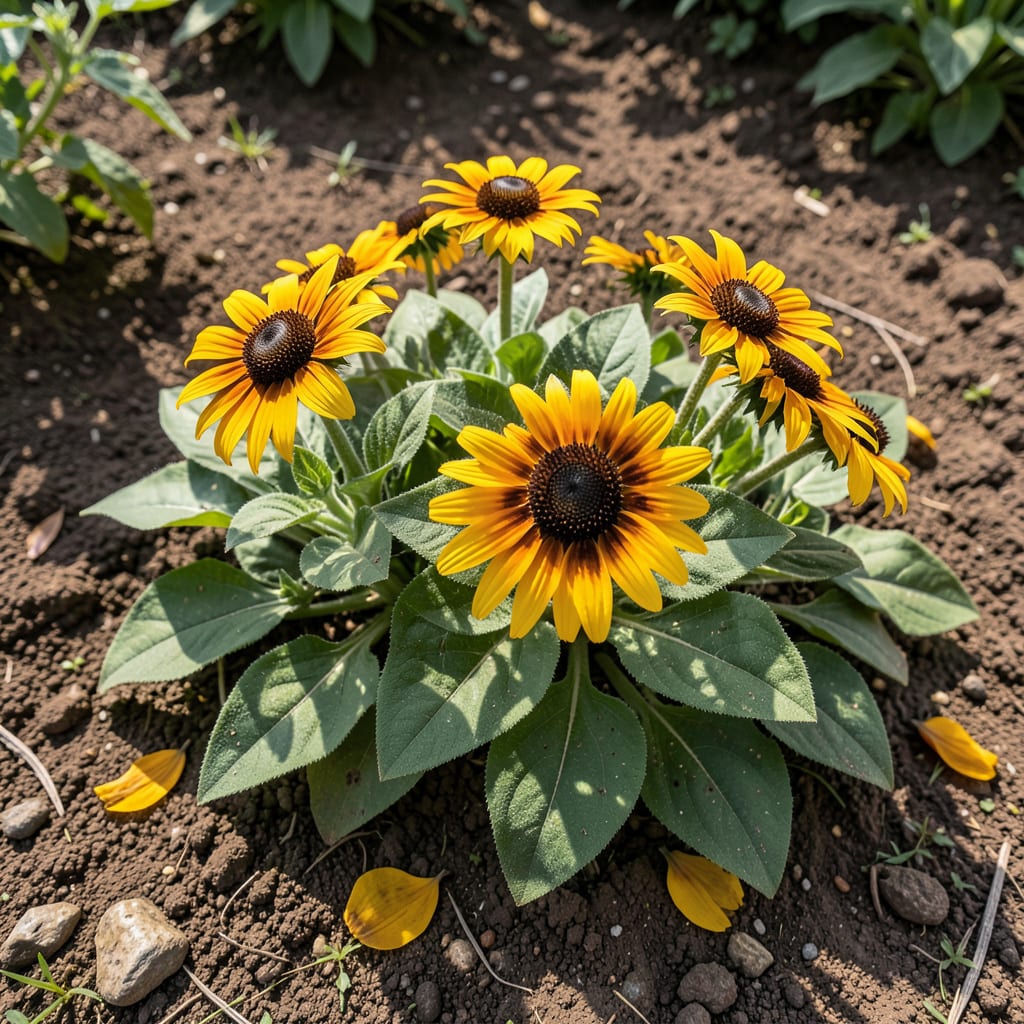
I’ve turned barren patches into golden seas of blooms with one simple trick: giving Black Eyed Susans what they actually want. No fancy soil, no daily pampering—just the right start.
Plant them in full sun with well-draining soil, space them 12-18 inches apart, and water deeply once a week. They’ll reward you with vibrant yellow flowers that laugh at drought and keep coming back.
📚 In This Guide
Here’s the method I rely on to get these cheerful perennials established and thriving.
Plant Black Eyed Susans in early spring or early fall when temperatures are mild and plants can establish roots before stress. They thrive in full sun but tolerate partial shade, especially in hotter climates where afternoon relief prevents scorching.
Select a spot with well-draining soil. These plants despise soggy roots, so avoid low areas where water pools. I always test drainage by digging a 12-inch hole, filling it with water, and watching how quickly it disappears—anything longer than 4 hours signals trouble.
Soil pH between 6.0-7.0 works perfectly. If your soil is heavy clay, amend with compost to improve structure. This prevents the compaction that stunts root growth and leads to weak, flopping stems.
Clear the area of weeds and debris, then loosen the soil to a depth of 12-15 inches. This gives roots room to spread and access nutrients. I use a garden fork for this—it breaks up the soil without compacting it like a shovel might.
Mix in 2-3 inches of compost or well-rotted manure to enrich the soil. Black Eyed Susans aren’t heavy feeders, but this initial boost encourages strong root development. Avoid fresh manure, as it can burn tender new roots.
Space plants 18-24 inches apart to allow for air circulation, which prevents fungal diseases. If planting in groups, arrange in staggered rows for a natural look that fills in beautifully by the second year.
Dig a hole twice as wide as the root ball but no deeper. Planting too deep can cause stem rot. Place the plant in the hole so the crown (where roots meet stems) sits ½ inch above soil level—it will settle to the correct depth after watering.
Backfill with native soil, pressing gently to remove air pockets. Water thoroughly with 1-2 gallons per plant to settle the soil and eliminate gaps around the roots. This initial deep watering is critical for establishing good soil-to-root contact.
Mulch with 2-3 inches of organic mulch like shredded bark or straw, keeping it 1 inch away from the stem to prevent rot. This conserves moisture and suppresses weeds that would compete with your new plants.
Water deeply once a week for the first month, then reduce to every 10-14 days once established. These plants are drought-tolerant, but consistent moisture during the first season encourages deep root growth. You’ll know they need water when the top 1-2 inches of soil feel dry.
Deadhead spent blooms regularly to encourage continuous flowering. I simply pinch off faded flowers at their base, which also prevents aggressive self-seeding. This keeps the plant looking tidy and directs energy toward new blooms rather than seed production.
Fertilize lightly in early spring with a balanced 10-10-10 fertilizer if your soil is poor. Otherwise, these tough plants need little additional feeding. Over-fertilizing leads to leggy growth and fewer flowers.
Master these details to ensure your plants establish quickly and bloom beautifully.
Soil Preparation Insight: In Step 2, when loosening the soil to that 12-15 inch depth, remember that a garden fork is your best tool. It aerates without compacting, unlike a shovel which can create dense layers that prevent root penetration. This depth allows roots to spread freely and access nutrients.
Drainage Test Wisdom: That 4-hour drainage test in Step 1 isn’t just a suggestion—it’s critical. If water lingers longer, your plants will struggle with root rot. Consider building raised beds or adding sand to improve drainage before planting.
Planting Depth Precision: In Step 3, positioning the crown ½ inch above soil level might seem counterintuitive, but it prevents stem rot as the plant settles. Press the soil gently to remove air pockets, but don’t compact it—roots need room to breathe.
Mulching Technique: When applying that 2-3 inch layer of mulch, keeping it 1 inch away from the stem is non-negotiable. Mulch too close creates a moist environment that invites rot and disease. Use organic materials that will break down and enrich the soil over time.
The ideal time is in early spring or fall, when temperatures are mild. This allows roots to establish before extreme heat or cold. Planting in these seasons ensures stronger, healthier blooms.
They thrive in full sun, requiring at least 6-8 hours of direct sunlight daily. While they can tolerate partial shade, full sun promotes the most vibrant and abundant flowers.
Well-draining soil with a neutral to slightly acidic pH (6.0-7.0) works best. They’re adaptable but avoid heavy clay or soggy soil, as this can cause root rot.
Lack of sunlight, over-fertilizing, or poor soil drainage are common culprits. Ensure they’re planted in a sunny spot with proper drainage, and avoid excessive nitrogen, which promotes foliage over flowers.
Yes! Choose a large pot with drainage holes and use a quality potting mix. Water regularly, as container plants dry out faster, and ensure they get plenty of sunlight.
