
Beautiful Plants For Your Interior
Beautiful Plants For Your Interior
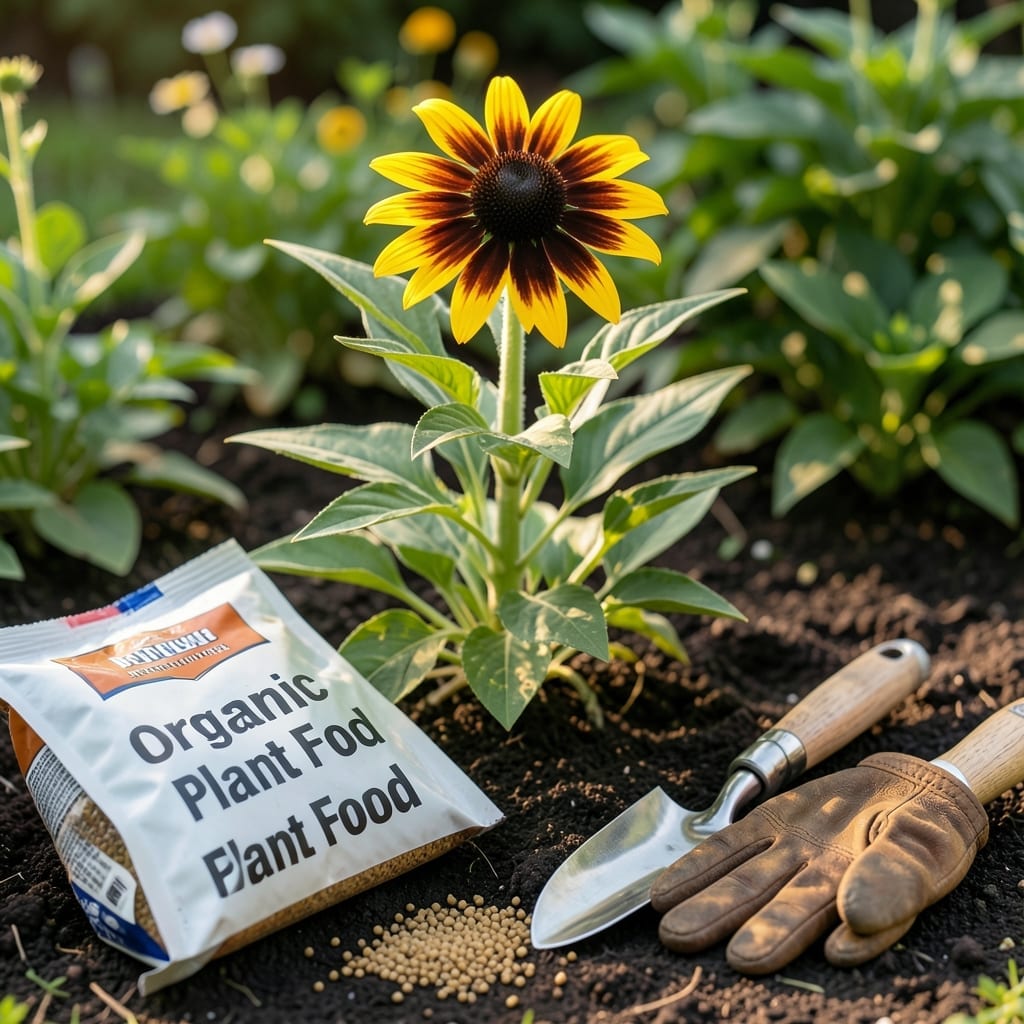
Your Black Eyed Susan 🌼 deserves more than just survival – it craves vibrant, long-lasting blooms that turn heads. The right organic fertilizer can make all the difference between a lackluster garden and a stunning display.
I’ve seen firsthand how the wrong approach leads to weak stems and dull flowers. With the proper nutrients, your plants will thrive from spring through fall in zones 4-9.
Discover the organic choices that bring out the best in your Black Eyed Susans, ensuring healthy growth and those iconic golden blooms we all love.
I’ve tested countless organic options, and compost remains my top choice for Black Eyed Susans. It enriches the soil with essential nutrients while improving drainage and aeration.
Worm castings are another powerhouse, packed with microbial life that boosts root development. They release nutrients slowly, perfect for sustained growth.
| Fertilizer Type | Key Benefit | Application Frequency |
|---|---|---|
| Compost | Improves soil structure | Spring & Fall |
| Worm Castings | Slow-release nutrients | Every 4-6 weeks |
| Bone Meal | Boosts phosphorus for blooms | Early Spring |
| Fish Emulsion | Quick nitrogen for foliage | Monthly in growing season |
Bone meal is ideal for promoting vibrant blooms thanks to its high phosphorus content. I apply it in early spring to support flower development.
Fish emulsion provides a quick nitrogen boost, perfect for lush foliage. Use it monthly during the growing season for optimal results.
For best results, I rotate fertilizers based on the plant’s needs. Start with compost in spring, then switch to worm castings for steady feeding.
Remember, over-fertilizing can harm your plants. Always follow the recommended dosage and water thoroughly after application.
I’ve found that morning applications allow the fertilizer to absorb before the heat of the day. This prevents nutrient burn and maximizes uptake.
Organic fertilizers not only feed your Black Eyed Susans but also improve the soil for future plantings. It’s a win-win for your garden’s long-term health.
Try mixing compost tea for a nutrient-rich foliar spray. It’s an easy way to give your plants an extra boost between feedings.
With the right organic approach, your Black Eyed Susans will reward you with bold colors and strong stems all season long. 🌼
Timing is everything with Black Eyed Susans. I start fertilizing in early spring when new growth appears. This gives them the boost they need for the growing season ahead.
A balanced 10-10-10 fertilizer works well, but I prefer organic options. Apply every 4-6 weeks until late summer for continuous blooms.
I always water my plants before applying fertilizer. This prevents root burn and helps the nutrients spread evenly through the soil.
For granular fertilizers, I lightly scratch them into the soil surface. This ensures they reach the root zone where they’re most effective.
Liquid fertilizers are my go-to for quick results. I dilute them to half strength and apply at the base of the plant for best absorption.
Remember, less is more with fertilizing. Overdoing it can lead to weak stems and fewer blooms. Stick to the recommended amounts and your Black Eyed Susans will thrive. 🌼