
Beautiful Plants For Your Interior
Beautiful Plants For Your Interior
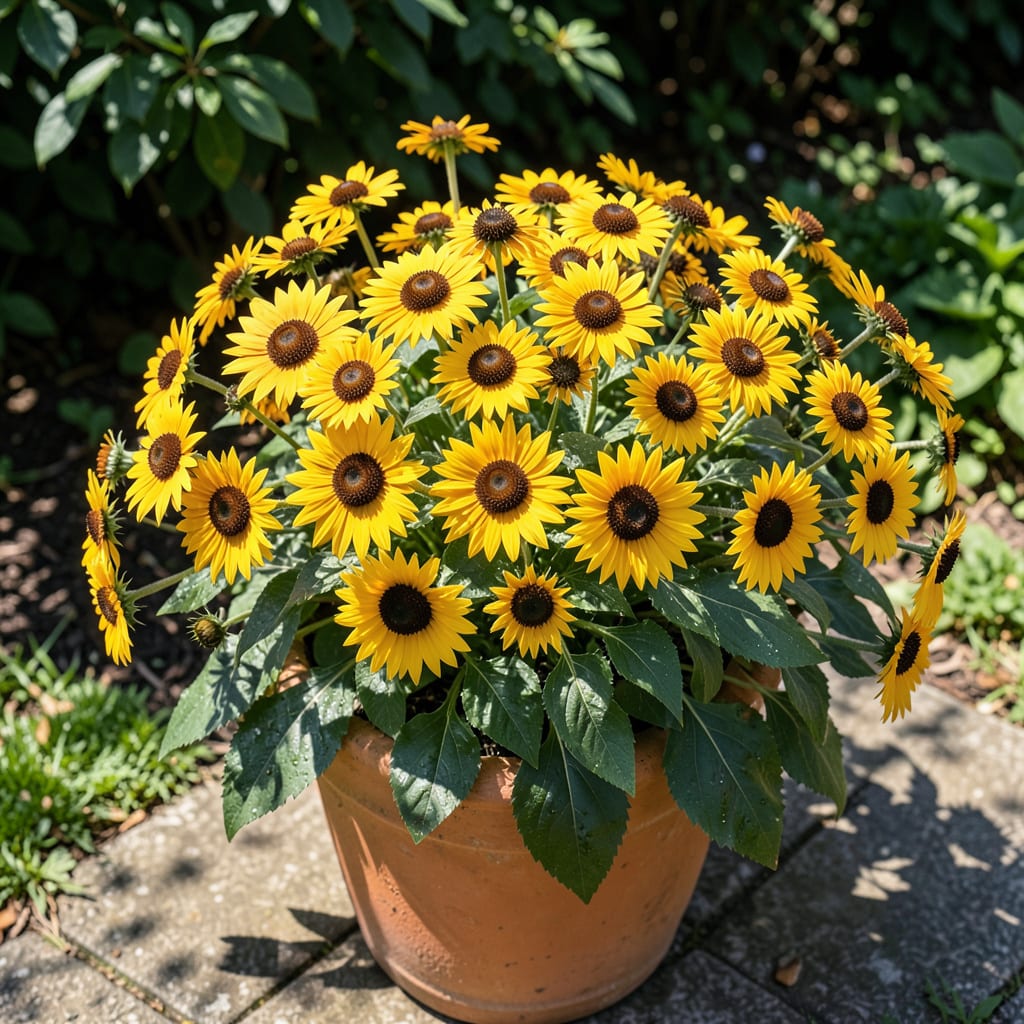
These golden bloomers transformed my dry, neglected corner into a pollinator hotspot. 🌟 The black-eyed Susan bush thrives where other plants wilt, bringing cheerful yellow flowers from midsummer through frost without demanding much in return.
Plant them in full sun with well-draining soil, water occasionally, and watch as bees and butterflies flock to your garden. They’re drought-tolerant, deer-resistant, and practically maintenance-free once established.
📚 In This Guide
This method ensures vibrant blooms that thrive with minimal care once established.
Select a spot with full sun to partial shade—these plants perform best with at least 6 hours of direct sunlight daily. I always check the area at midday to confirm it’s not too shady. The soil should drain well; if water pools after rain, amend with compost or choose a raised bed.
Avoid low-lying areas where cold air settles, as this can damage new growth in spring. The location should also have enough space for 18-24 inches of spread per plant. Real talk: they’ll fill in fast, so don’t crowd them.
Loosen the soil to a depth of 12-15 inches using a garden fork or tiller. Black Eyed Susans aren’t picky, but they respond well to soil enriched with 2-3 inches of compost worked into the top layer. This improves drainage and provides nutrients for the first growing season.
Remove any weeds or grass from the area—these compete aggressively for water and nutrients. I’ve found that a quick pass with a hoe followed by hand-pulling stubborn roots works best. The goal is a clean, loose bed that allows roots to establish quickly.
Dig a hole twice as wide as the root ball but no deeper. Place the plant in the hole so the top of the root ball sits ½ inch above the surrounding soil—this prevents settling, which can suffocate the crown. Backfill with native soil, not compost, to encourage roots to spread outward.
Gently firm the soil around the base to eliminate air pockets, but don’t pack it tightly. Water deeply immediately after planting to settle the soil. You’ll see the plant wilt slightly at first—this is normal as it adjusts to its new home.
Water newly planted bushes 2-3 times per week for the first 4-6 weeks, giving each plant 1-2 gallons per session. The soil should feel moist 4-6 inches down—use your finger to check. Once established, these are drought-tolerant, but consistent moisture early on is critical.
Here’s the thing—overwatering is worse than underwatering for this plant. If the leaves start to yellow, that’s your sign to ease up. A layer of 2-inch mulch around the base (but not touching the stem) helps retain moisture and suppress weeds.
In early spring, cut back the previous year’s growth to 4-6 inches above the ground to encourage new, vigorous stems. I use clean, sharp pruners and make cuts at a 45-degree angle to prevent water from pooling on the stems.
Deadhead spent blooms throughout the growing season to promote continuous flowering. Don’t skip this (I learned the hard way)—it keeps the plant looking tidy and directs energy toward producing more of those golden blooms pollinators love.
These insights will help you avoid common pitfalls and get the most from your plants.
Sunlight Strategy: The 6 hours of direct sunlight mentioned in Step 1 isn’t just a suggestion—it’s critical for those vibrant golden blooms. I learned this the hard way when I planted some in a partially shaded spot and got sparse, leggy growth. If your garden has limited sun, consider containers you can move to follow the light.
Soil Prep Secret: In Step 2, when you’re loosening the soil to 12-15 inches deep, don’t rush this part. I used to skimp on depth until I noticed my plants struggling in compacted soil. The deeper loosening allows roots to establish more easily, especially important since these are drought-tolerant once established but need good drainage early on.
Planting Depth Matters: That ½ inch above surrounding soil in Step 3 might seem fussy, but it prevents crown rot. Here’s what nobody tells you—if you plant too deep, the stem can suffocate as it settles. I now use a ruler to check this every time, and my plants have never looked better.
Watering Wisdom: The 2-3 times per week for 4-6 weeks in Step 4 is your plant’s critical establishment period. Confession: I used to water daily “to be safe,” which led to yellowing leaves. The finger test mentioned is your best tool—stick it 4-6 inches down and only water if it feels dry.
Water deeply once a week for the first growing season to establish roots. After that, this drought-tolerant shrub thrives on rainfall alone, making it perfect for low-maintenance gardens.
Expect vibrant golden-yellow blooms from mid-summer to early fall, with peak flowering in July and August. Deadheading spent flowers can encourage prolonged blooming.
Pair it with purple coneflowers, Russian sage, or ornamental grasses for a pollinator-friendly garden. These combinations enhance visual appeal and support local ecosystems.
Yellowing leaves often indicate overwatering or poor drainage. Ensure the soil is well-draining, and reduce watering if the plant appears stressed.
