
Beautiful Plants For Your Interior
Beautiful Plants For Your Interior
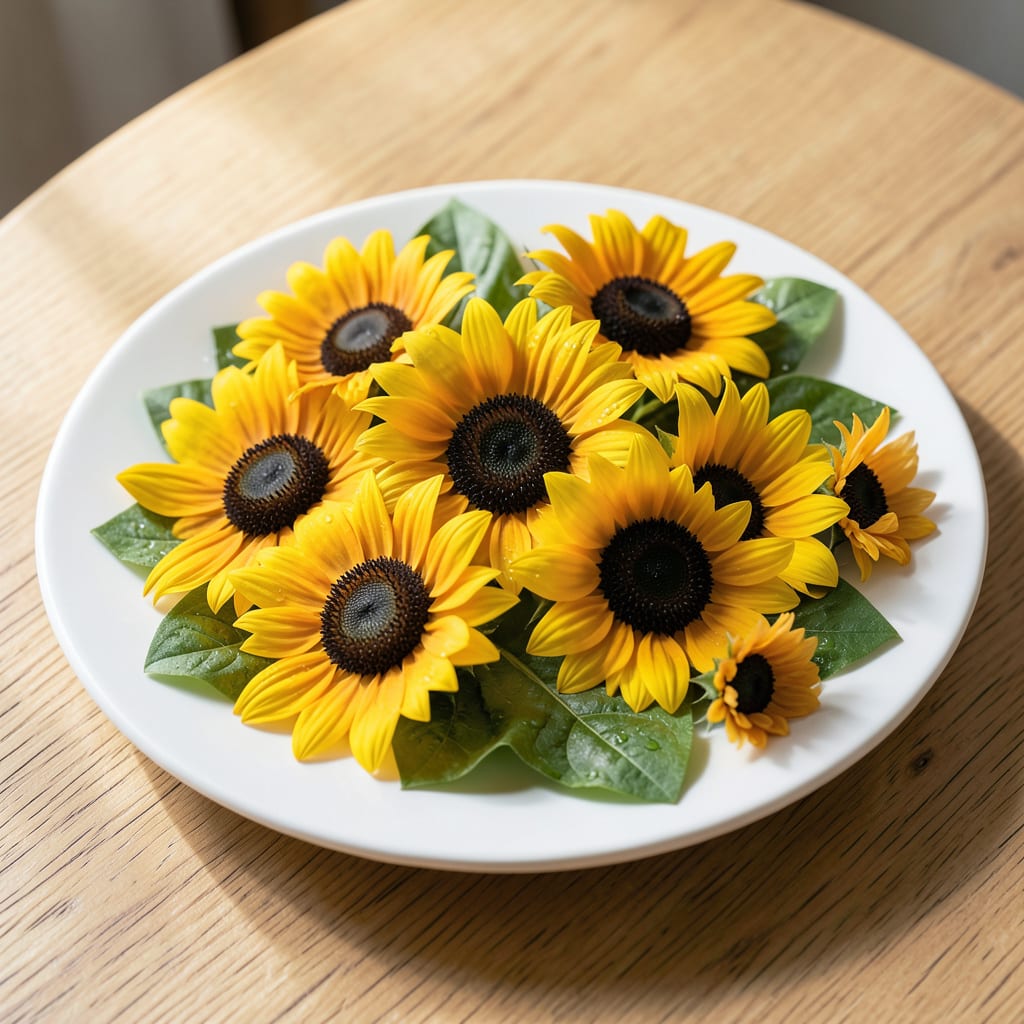
There’s nothing like watching those first Black Eyed Susan buds form—promising weeks of golden blooms that bees can’t resist.
I started mine in full sun with well-draining soil, and the key was consistent moisture during bud development. By late summer, my garden was packed with bold yellow flowers that kept the pollinators buzzing for months.
📚 In This Guide
Here’s how I coax those cheerful yellow blooms from seed to garden showstopper.
Begin 8-10 weeks before your last frost by sowing seeds in a sterile seed-starting mix. Black eyed Susans (Rudbeckia hirta) benefit from cold stratification, so I refrigerate seeds in a damp paper towel for 7 days before planting. This mimics winter conditions and breaks dormancy.
Press seeds 1/4 inch deep in moist soil—don’t bury them too deep, as they need light to germinate. Cover trays with plastic wrap to maintain humidity and place in a 70-75°F location. Expect germination in 7-14 days when you see tiny green shoots emerging.
Once sprouts appear, move them under full-spectrum grow lights for 14-16 hours daily, keeping the light 2-4 inches above the seedlings. Without sufficient light, they’ll stretch into leggy, weak plants. You’ll know they’re strong when stems are thick and leaves are deep green.
Begin hardening off 2 weeks before transplanting by placing seedlings outside in partial shade for 1-2 hours, gradually increasing time and sun exposure. This prevents transplant shock when moving to the garden. Watch for wilting—if it occurs, reduce exposure time the next day.
Choose a location with full sun to partial shade and well-draining soil. Dig holes 12-18 inches apart—these plants need room to spread. Black eyed Susans tolerate poor soil but thrive in average garden loam with a pH of 6.0-7.0.
Remove seedlings from their containers and gently tease apart the roots if they’re pot-bound. Place each plant in its hole so the crown sits at the same depth as in the container. Backfill with soil and water thoroughly to settle the roots. The first true leaves should be just above the soil line.
Water deeply 1-2 times weekly until plants are established, then reduce to 1 inch per week. These are drought-tolerant once mature, but you’ll see better blooms with consistent moisture. Always water at the base to keep foliage dry and prevent fungal diseases.
Apply a 2-3 inch layer of mulch around plants to retain moisture and suppress weeds. Deadhead spent blooms regularly to encourage continuous flowering. You’ll notice new buds forming along the stems within 2-3 weeks of the first blooms, extending the display through fall.
Small adjustments make a big difference when nurturing these vibrant blooms.
Stratification Insight: The 7-day cold stratification in Step 1 is non-negotiable for breaking seed dormancy. I’ve tried skipping this step, and germination rates plummeted. Use a damp—not soaking—paper towel, and refrigerate at 70-75°F for consistent results.
Light Placement: In Step 2, keeping grow lights 2-4 inches above seedlings prevents leggy growth. I learned this the hard way after my first batch stretched into weak, pale stems. Adjust the light height as seedlings grow to maintain this distance.
Hardening Off Patience: The 2 weeks of hardening off in Step 2 might feel tedious, but rushing it leads to transplant shock. Start with 1-2 hours of partial shade exposure, and only increase time if seedlings show no wilting. Trust me, your plants will thank you.
Moisture Consistency: Once transplanted, stick to the 1-2 times weekly watering schedule in Step 4 until roots establish. Overwatering is just as harmful as drought, especially in poorly draining soil. The 2-3 inch mulch layer helps, but don’t let it smother the crown.
Black eyed Susan buds typically take 7-14 days to open fully after forming, depending on sunlight, temperature, and moisture. Warm, sunny conditions speed up the process!
If buds stay closed, check for overcrowding, poor drainage, or lack of sunlight (they need 6+ hours daily). Also, avoid over-fertilizing, which can delay blooming.
Yes! Harvest buds early in the morning when they’re just starting to open. They’ll continue blooming in water, lasting 5-7 days in a vase.
Sow seeds indoors 6-8 weeks before the last frost or directly outdoors after frost danger passes. This ensures vibrant summer buds!
Try Mexican sunflowers (Tithonia) or blanket flowers (Gaillardia) for bold, daisy-like blooms that attract pollinators just as well.
