
Beautiful Plants For Your Interior
Beautiful Plants For Your Interior
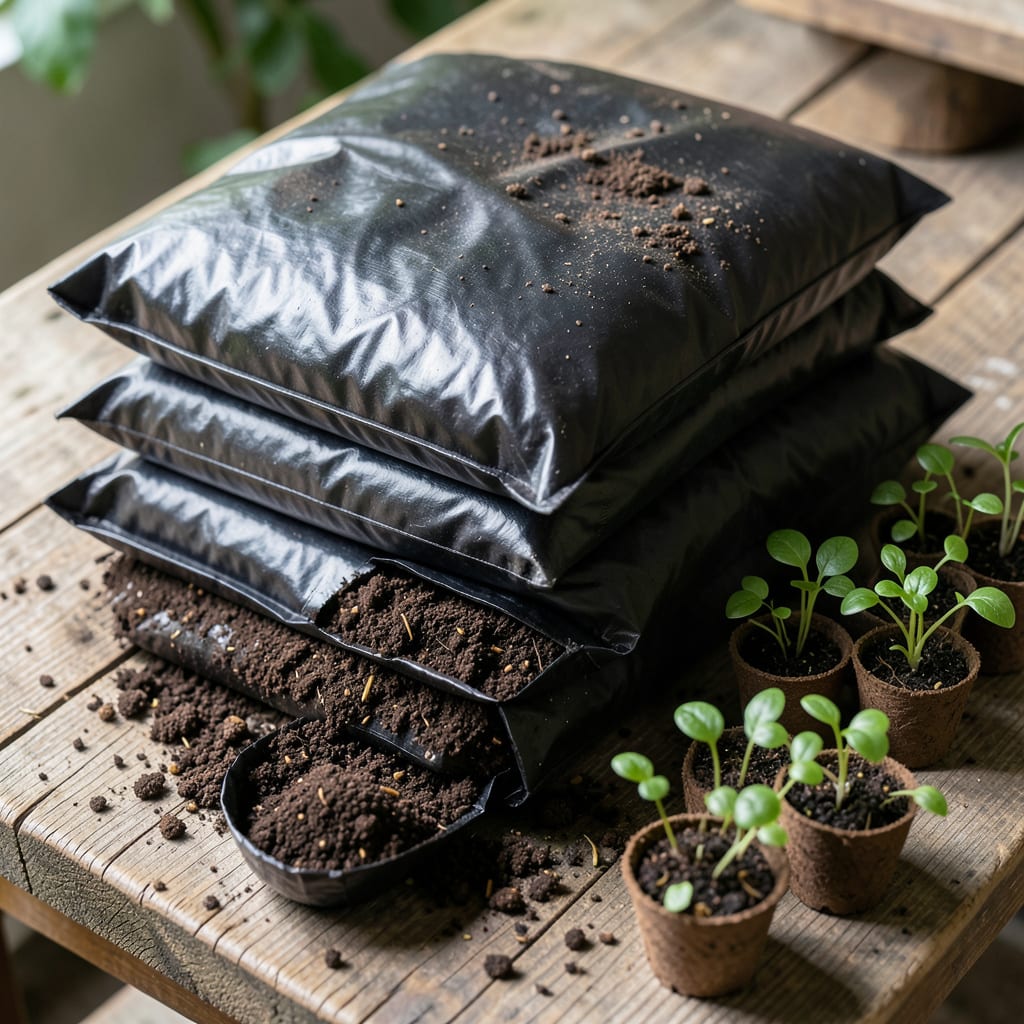
I turned my sandy soil into a thriving garden with one simple change. Black gold in a bag transformed my plants from struggling to shockingly lush.
This isn’t just dirt—it’s a nutrient-packed boost that retains moisture and feeds roots all season. My tomatoes doubled in size after the first application, and the flowers? Between you and me, the neighbors keep asking for my secret.
📚 In This Guide
This simple method transforms your soil and gives plants the boost they need to thrive.
Identify where your soil needs improvement—vegetable beds, flower gardens, or new planting areas all benefit. I always start with a soil test to confirm what’s lacking, but you’ll see immediate improvements in texture and drainage with this approach.
Work in a space that’s easy to access with a shovel or garden fork. Avoid applying to waterlogged or frozen soil, as the nutrients won’t integrate properly. Early spring or fall gives the best results for most climates.
Clear the area of weeds, rocks, and debris so nothing interferes with the compost’s contact with the soil. Loosen the top 6-8 inches of earth with a garden fork or tiller—this helps the compost blend in rather than sitting on top like a useless layer.
If the ground is dry, water it lightly before adding the compost. You want the soil damp but not muddy, so the materials mix evenly. This step ensures the nutrients reach the root zone where plants can actually use them.
Open the black earth compost bag and spread a 2-3 inch layer evenly over the prepared soil. For new beds, you can go up to 4 inches for an extra-rich start. Use a rake to distribute it uniformly—clumps or uneven layers lead to patchy growth.
Mix the compost into the top 4-6 inches of soil with a shovel or fork. This isn’t just about adding nutrients; it’s about improving soil structure so roots can breathe and water drains properly. You’ll notice the soil darkens and feels looser almost immediately.
After incorporating, water the area thoroughly to help the compost settle and start breaking down. You want the soil moist but not soggy—overwatering can wash away nutrients before they take effect.
Check the area after 24-48 hours. The soil should feel richer and more crumbly. If you’re planting immediately, dig a small test hole to confirm the compost is well-distributed. For existing plants, keep an eye on leaf color and growth rate—improvements usually show within 1-2 weeks.
Reapply a 1-inch layer every 3-4 months to maintain soil health, especially in high-use areas like vegetable gardens. This isn’t a one-time fix; it’s an ongoing practice that keeps your soil alive and productive.
Watch for changes in plant vigor, leaf color, and water retention. If growth slows or leaves yellow, it might be time for another application. The thing about good compost is that it works with the soil, not against it—you’ll see the difference in how easily your shovel sinks in next season.
These practical insights will help you get the most out of your soil improvement efforts.
Seasonal Timing: Stick to applying in early spring or fall as mentioned in Step 1. I learned the hard way that summer applications can stress plants during heat, while winter’s frozen ground prevents proper nutrient absorption. The soil needs to be workable and active for best results.
Depth Matters: When loosening soil in Step 2, don’t skimp on the 6-8 inches depth. Shallow prep means the compost won’t integrate properly, and you’ll end up with a shallow root zone. I use a garden fork to ensure I’m hitting that full depth without compacting the soil.
Layering Technique: For Step 3, that 2-3 inch layer of compost is the sweet spot. Going thicker than the recommended 4 inches for new beds can actually smother existing soil microbes. Spread it evenly – I find a rake works better than a shovel for this part to avoid clumping.
Black Earth compost bags typically break down within 3-6 months, depending on environmental conditions. They’re designed to decompose naturally, enriching the soil as they do.
Yes! These bags are great for indoor plants, as they provide nutrient-rich compost without harmful chemicals. Just ensure proper drainage in your pots.
Store them in a cool, dry place away from direct sunlight. Keep the bags sealed to prevent moisture from degrading the compost prematurely.
Yes, alternatives include traditional compost piles, worm bins, or other biodegradable compost bags. However, Black Earth bags offer convenience and consistent quality.
This could be due to lack of moisture, oxygen, or microbial activity. Try adding water, aerating the bag, or mixing in fresh compost to kickstart the process.
