
Beautiful Plants For Your Interior
Beautiful Plants For Your Interior
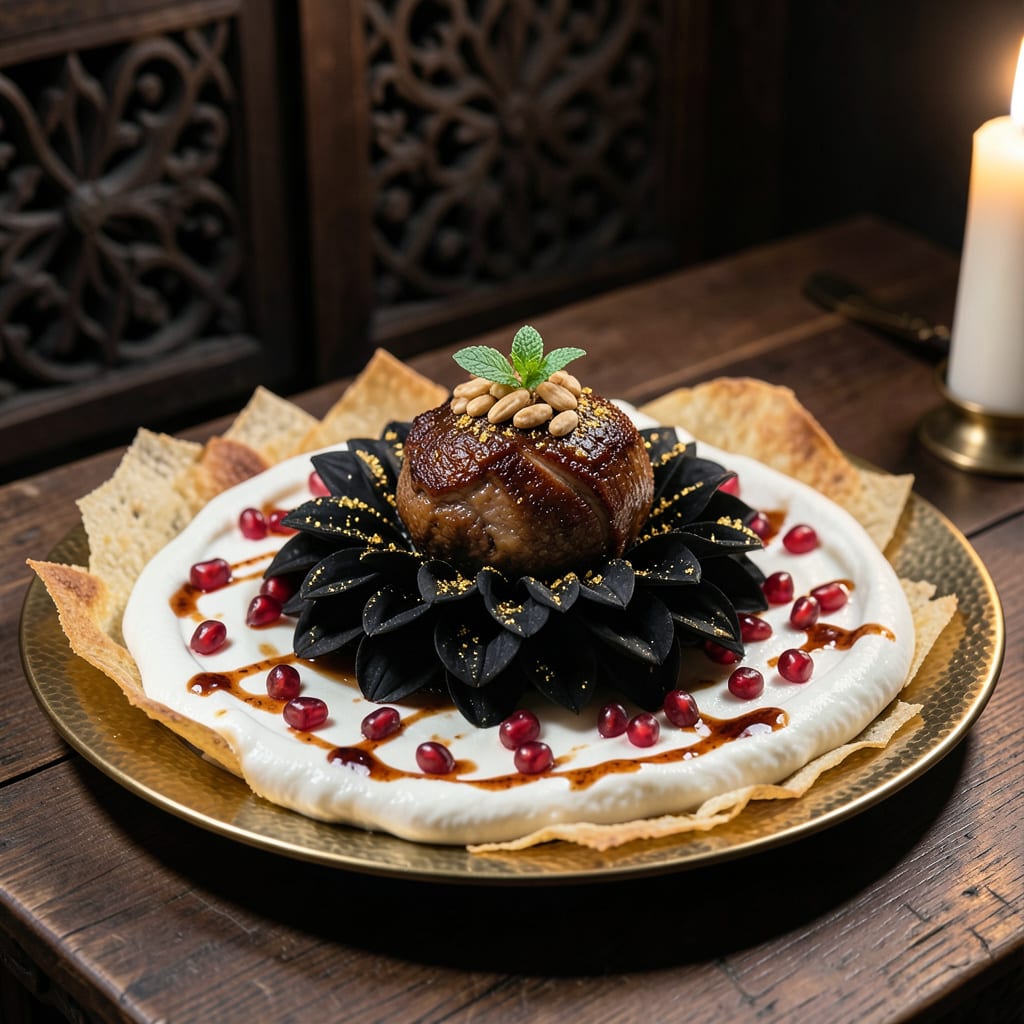
Black Dahlia Arabian Night stopped me in my tracks at a garden show last summer. The deep maroon petals, almost black in certain light, create a dramatic contrast against green foliage that demands attention.
This variety thrives in full sun with well-draining soil. Give it consistent moisture and you’ll be rewarded with 4-6 inch blooms that look like they belong in a high-end floral arrangement, not your backyard.
📚 In This Guide
Here’s the method I use to grow these dramatic blooms with rich, velvety petals every time.
Select a spot with full sun—at least 6-8 hours of direct sunlight daily. Arabian Night dahlias thrive in warm, open locations where they can bask in unfiltered light. Avoid low-lying areas where cold air settles, as these tubers are sensitive to frost and cooler temperatures.
I always check the soil drainage before planting. Dig a small hole, fill it with water, and see if it drains within 1-2 hours. If water lingers, amend the soil with compost or sand to improve drainage and prevent tuber rot.
Plant tubers in spring after the last frost, when soil temperatures reach at least 60°F. Dig a hole 4-6 inches deep and 12-18 inches wide to give the tuber room to spread. Place the tuber horizontally with the eye (the small bud) facing up.
Cover with 2-3 inches of soil initially, then add more as the plant grows. I’ve found that planting too deep delays sprouting, while shallow planting risks exposure to temperature swings. Water lightly after planting to settle the soil, but avoid overwatering at this stage.
Once sprouts appear, water deeply 2-3 times per week, ensuring the soil stays evenly moist but not soggy. Dahlias are heavy feeders, so I apply a balanced 10-10-10 fertilizer every 3-4 weeks during the growing season to encourage vigorous blooms.
Watch for wilting or yellowing leaves, which often signal inconsistent moisture. Mulching with a 2-inch layer of organic material helps retain moisture and keeps the soil temperature stable. Just be sure to keep mulch a few inches away from the stem to prevent rot.
Arabian Night dahlias can grow 3-4 feet tall, so staking is essential. Install a sturdy stake or cage at planting to avoid damaging the tuber later. I tie stems to the support with soft garden twine as they grow, checking every 1-2 weeks to adjust for new growth.
Pinch back the first set of buds to encourage branching and more blooms. This step feels counterintuitive, but it results in a fuller plant with an abundance of those striking dark flowers. Remove spent blooms regularly to prolong the flowering season.
After the first frost blackens the foliage, cut stems back to 4-6 inches and carefully dig up the tubers. Brush off excess soil and let them dry in a well-ventilated area for 1-2 days. This prevents mold during storage.
Store tubers in a cool, dark place at 40-50°F with moderate humidity. I use a cardboard box filled with slightly damp peat moss or vermiculite. Check monthly for shriveled or rotting tubers and remove any that show signs of damage.
Here’s what I’ve learned through trial and error to get these stunning blooms just right.
Sunlight Priority: The 6-8 hours of full sun isn’t just a suggestion—it’s essential. I once tried a partially shaded spot, and the plants grew tall and leggy with far fewer blooms. Find the sunniest spot in your garden, even if it means moving other plants.
Drainage Test: That 1-2 hour drainage check in Step 1 is your best insurance against rot. If water sits longer, I mix in coarse sand or perlite to improve drainage. Dahlias hate wet feet, and soggy soil is the fastest way to lose tubers before they even sprout.
Planting Depth: Stick to the 4-6 inch depth in Step 2. I learned the hard way that planting deeper delays sprouting, and shallower than 4 inches risks exposure to temperature swings. The initial 2-3 inches of soil coverage gives just enough protection while allowing the tuber to establish quickly.
Winter Storage: The 40-50°F storage range in Step 5 is critical for dormancy. I use a basement corner with a small space heater on a timer to maintain consistent temps. Check tubers monthly—any that shrivel or soften need to be removed immediately to prevent the spread of rot.
Black Dahlia Arabian Night is a stunning, deep burgundy-black dahlia variety with velvety petals. It’s a favorite for dramatic gardens, offering bold contrast and elegance. This perennial blooms from mid-summer to fall, attracting pollinators like bees and butterflies.
Plant in well-drained soil with full sun (6+ hours daily). Water deeply 2-3 times weekly, avoiding overhead watering. Stake tall stems for support, and deadhead spent blooms to encourage more flowers. Fertilize monthly with a balanced feed.
Expect stunning blooms from July through October, depending on your climate. In warmer zones, it may start earlier. For longer bloom seasons, plant tubers in spring after the last frost.
For similar drama, try ‘Black Narcissus’ (deep maroon) or ‘Karma Choc’ (rich chocolate). Other dark varieties include ‘Arabian Night’ roses or ‘Queen of Night’ tulips for a gothic garden vibe.
Yellowing leaves often signal overwatering, poor drainage, or nutrient deficiencies. Check soil moisture and ensure good drainage. If needed, adjust watering or add compost for nutrients.
