
Beautiful Plants For Your Interior
Beautiful Plants For Your Interior
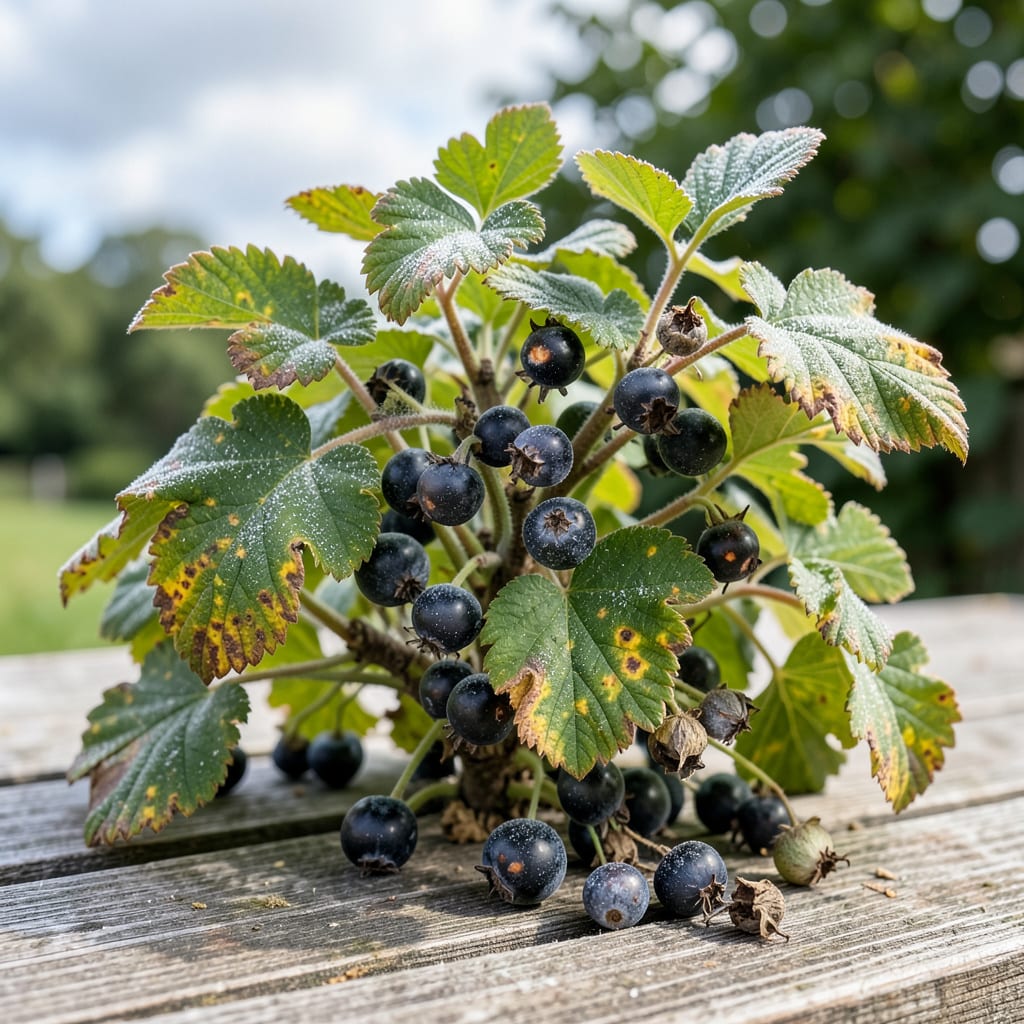
Brown spots on your black currant leaves aren’t just ugly—they’re a warning. I’ve watched healthy bushes turn into skeletonized sticks in a single wet season, and the fix starts with recognizing the enemy early.
Leaf spot and blight thrive in damp conditions, spreading silently before you notice the damage. The key is breaking their cycle before it starts: remove fallen leaves, thin crowded branches, and avoid overhead watering.
Organic sprays like copper fungicide or baking soda solutions work, but timing matters more than the product. Apply at first sign of trouble, then every 7-10 days during wet weather.
Prevention beats cure every time. Healthy soil, good airflow, and resistant varieties keep your currants productive for 10+ years without chemical interventions.
Black currant plants are vulnerable to diseases like leaf spot and blight due to several key factors. Understanding these causes can help you prevent and manage infections effectively.
Most black currant diseases, such as Septoria ribis (leaf spot) and Botrytis cinerea (blight), are caused by fungi that flourish in damp environments. Overhead watering, poor drainage, or prolonged rain can create the perfect breeding ground. Fungal spores spread via water splashes, infecting leaves and stems when moisture lingers for 6+ hours.
Dense plantings or overgrown foliage restrict airflow, trapping humidity around the leaves. This stagnant air accelerates fungal growth. Prune regularly to open the canopy and allow breezes to dry foliage quickly after rain or dew.
Fungal spores overwinter in fallen leaves, dead wood, and unpruned canes. If not removed, these residues release spores in spring, reinfecting new growth. Sanitize your garden by raking and burning or composting (hot pile only) infected debris.
Weak or nutrient-deficient plants are more susceptible to disease. Excess nitrogen promotes lush, soft growth that’s easily infected, while potassium or phosphorus deficiencies weaken resistance. Conduct a soil test and amend with balanced, organic fertilizers to maintain plant vigor.
Insects like aphids and currant borers can introduce pathogens through wounds or by spreading spores. Monitor for pests and use neem oil or horticultural soaps to keep populations in check without harming beneficial insects.
Dealing with black currant plant diseases like leaf spot and blight requires a mix of targeted fixes and prevention. Below are practical solutions for common issues, paired with tips to keep your plants healthy long-term.
For leaf spot, remove and destroy infected leaves immediately to prevent spread. Apply a copper-based fungicide or neem oil spray every 7–10 days during wet seasons. Improve air circulation by pruning dense foliage. Prevention tip: 💡 Water at the base of the plant (not overhead) and avoid working with wet foliage.
Blight thrives in damp conditions. Prune affected branches at least 6 inches below the infected area, sterilizing tools with rubbing alcohol between cuts. Apply baking soda spray (1 tbsp baking soda + 1 tsp dish soap per gallon of water) as a mild fungicide. Prevention tip: 🌡️ Space plants 3–4 feet apart and mulch with straw to reduce soil splash.
Aphids and mites can weaken plants, making them susceptible to disease. Blast pests off with water or use insecticidal soap. Introduce beneficial insects like ladybugs. Prevention tip: ✨ Rotate crops and remove garden debris where pests overwinter.
Strengthen plants with balanced fertilizer (avoid high nitrogen) and ensure they get 6+ hours of sunlight daily. Remove fallen leaves and fruit to eliminate disease hiding spots. Pro tip: 🎯 Plant disease-resistant varieties like ‘Consort’ or ‘Titania’ for long-term ease.
Look for brown or purple spots on leaves, yellowing foliage, or blackened stems. Early detection is key—check plants weekly during wet seasons for best results.
For active infections, use copper or neem oil sprays every 7-10 days until symptoms disappear. Preventive applications work best when timed before rainy periods.
Remove all affected branches 6 inches below visible damage and sanitize tools between cuts. Severe cases may require complete removal to protect nearby plants.
Yes! Try ‘Consort’ or ‘Titania’ for natural resistance. These varieties maintain productivity with less chemical intervention needed.
