
Beautiful Plants For Your Interior
Beautiful Plants For Your Interior
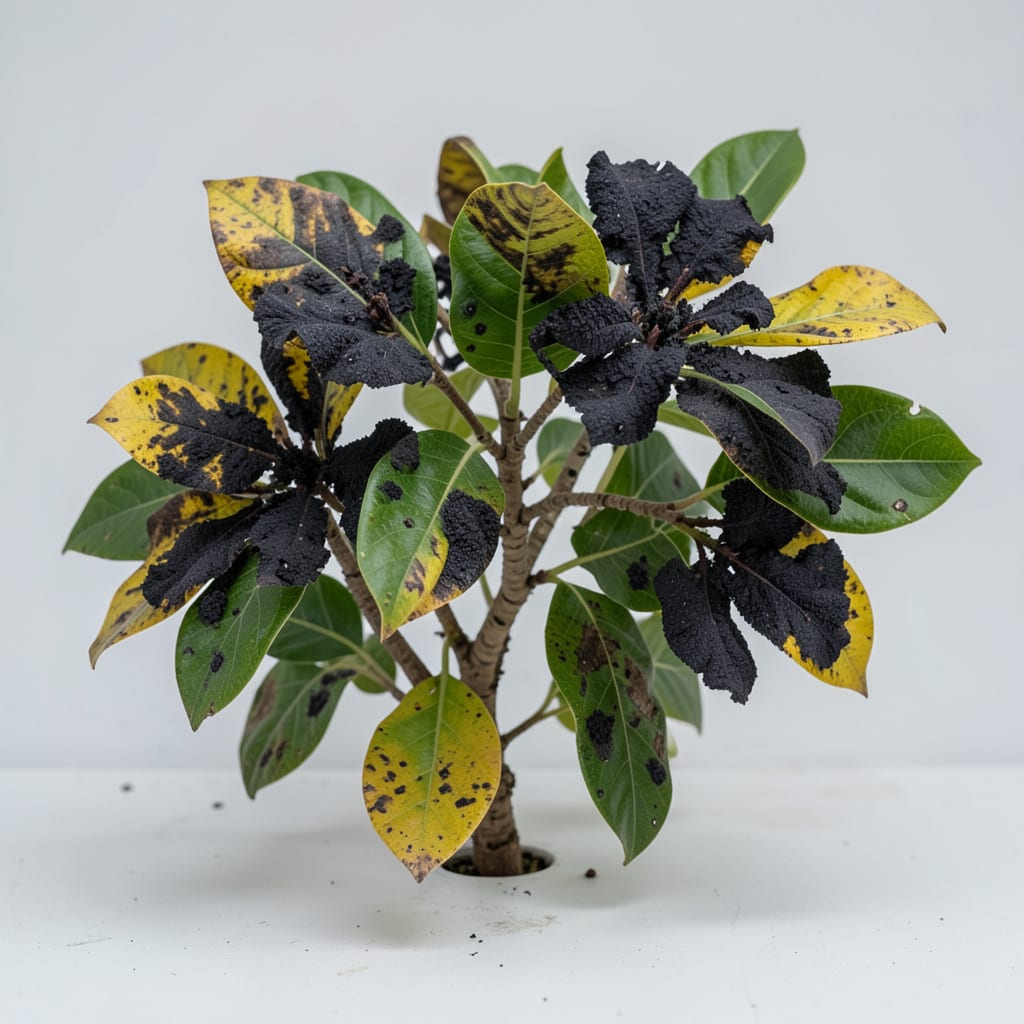
Those dark leaves on your crepe myrtle aren’t just dirt. I’ve seen healthy black varieties turn spotted overnight, and the culprit is usually one of three common diseases that thrive in warm, humid conditions.
The good news? Symptoms like powdery residue, black spots, or leaf curl are easy to spot once you know what to look for. Early identification means the difference between a quick fix and a season-long battle.
Organic solutions work surprisingly well here. A simple spray of neem oil or baking soda can stop most issues in their tracks before they spread to the rest of your garden.
Works for new plantings and established trees alike. Here’s how to diagnose and treat them fast.
Understanding the root causes of diseases in black crepe myrtles helps prevent and treat them effectively. Here are the primary triggers:
Fungi like Cercospora and Powdery Mildew thrive in warm, humid conditions. These pathogens spread via airborne spores, infecting leaves and stems. Overhead watering or poor air circulation accelerates their growth. Action: Improve drainage and prune for airflow.
Aphids, scale insects, and spider mites weaken the plant, making it vulnerable to secondary infections. Their feeding creates entry points for bacteria and fungi. Action: Use neem oil or insecticidal soap to deter pests.
Drought, waterlogging, or extreme temperatures stress the plant, lowering its natural defenses. Poor soil quality or nutrient deficiencies (e.g., lack of nitrogen or potassium) also contribute. Action: Mulch to retain moisture and fertilize balancedly.
Improper pruning (e.g., topping) or using contaminated tools spreads diseases like Botryosphaeria Canker. Overcrowding plants limits airflow, fostering fungal growth. Action: Sterilize tools and prune correctly.
Keeping your black crepe myrtle healthy starts with recognizing and addressing diseases early. Below are practical solutions for the most common problems, along with prevention tips to keep your plants thriving. 🌿
If you spot white, powdery spots on leaves, trim overcrowded branches to boost air circulation. Apply a baking soda solution (1 tbsp baking soda + 1 tsp dish soap + 1 gallon water) weekly until the issue clears. Prevention tip: 💡 Space plants at least 6 feet apart and water at the base to keep foliage dry.
Dark or yellowish spots with fuzzy centers signal leaf spot. Prune infected leaves immediately and dispose of them in the trash (not compost). Spray with neem oil or a copper-based fungicide every 10 days. Prevention tip: 🌧️ Avoid overhead watering, and clean up fallen debris to reduce spores.
Sticky residue or curled leaves often mean aphids. Blast them off with a strong water spray, or introduce ladybugs and lacewings as natural predators. For severe infestations, use insecticidal soap. Prevention tip: ✨ Plant companion flowers like marigolds to deter pests.
Yellowing leaves and wilting may indicate root rot from soggy soil. Stop watering temporarily and amend the soil with sand or compost to improve drainage. If the plant is severely affected, consider transplanting it to a raised bed. Prevention tip: 💧 Always check soil moisture before watering—stick your finger 2 inches deep; if it’s dry, it’s time to water.
Look for white, powdery spots on leaves and stems. This fungal disease thrives in humid conditions and can spread quickly if untreated.
Black spots often indicate leaf spot disease, caused by fungi like Cercospora. Remove infected leaves immediately and avoid overhead watering.
Yes, neem oil is an effective organic treatment for aphids. Apply it weekly until the infestation clears, or use a strong water spray for a quick fix.
If caught early, improving drainage and amending soil can save the plant. Stop watering temporarily and consider transplanting to a raised bed.
