
Beautiful Plants For Your Interior
Beautiful Plants For Your Interior
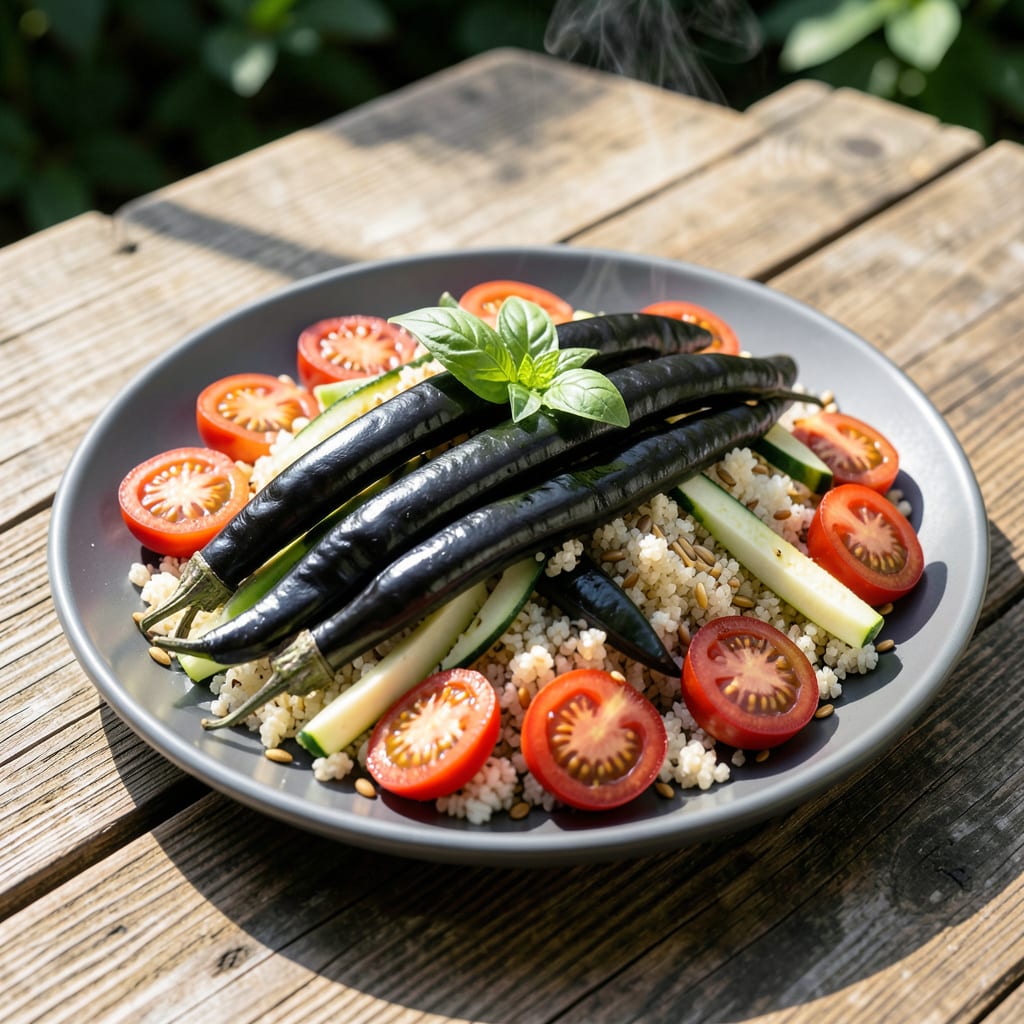
Black Coat runner beans changed my garden game last summer. This vibrant climber produces tender pods in abundance with minimal effort from me.
They thrive in full sun with basic support, and the purple-black blooms add color before the harvest. I got pounds of beans from just a few plants, and the flavor beats anything from the store.
📚 In This Guide
Here’s the method I use to achieve vigorous vines and heavy yields every season.
Choose a location with full sun exposure and well-draining soil. Black Coat runner beans thrive in fertile, loamy soil with a pH between 6.0 and 6.8. I always test my soil first—it saves so many headaches later.
Work the soil to a depth of 12-15 inches, removing any rocks or debris. Incorporate a 2-3 inch layer of aged compost to improve fertility and drainage. This ensures the roots can establish quickly and access nutrients easily.
Runner beans are vigorous climbers and need sturdy support from day one. I use 6-8 foot tall trellises, teepees, or bamboo poles arranged in a fan shape. Space the supports 18-24 inches apart to allow for proper air circulation and easy harvesting.
Secure the structure firmly into the ground—at least 1 foot deep—so it can withstand wind and the weight of mature vines. Without proper support, the plants will sprawl on the ground, leading to rot and poor pod development.
Sow seeds directly into the soil after the last frost date when the soil temperature reaches at least 50°F. Plant seeds 1 inch deep and 3-4 inches apart at the base of each support. I plant two seeds per hole and thin to the strongest seedling once they sprout.
Water the soil thoroughly after planting, ensuring it stays consistently moist but not waterlogged. You’ll see germination in 7-14 days, depending on soil temperature. Watch for the first true leaves—it’s the signal that the plants are ready to start climbing.
Once the seedlings reach 6-8 inches tall, gently twine them around the support structure. Runner beans are self-climbing, but I find they benefit from a little guidance early on. This helps them establish their upward growth pattern quickly.
Keep the soil evenly moist, especially during flowering and pod formation. Mulch around the base with a 2-inch layer of organic matter to retain moisture and suppress weeds. Too much dryness now will cause flower drop and reduce your harvest.
Begin harvesting pods when they reach 4-6 inches long and are still firm and crisp. I pick mine every 2-3 days to encourage continuous production. The more you harvest, the more the plant will produce.
Use two hands to avoid damaging the vines—hold the stem with one hand and the pod with the other. If you wait too long, the pods will become tough and stringy. Freshly picked beans are at their sweetest and most tender, perfect for immediate use or storage.
Small details make the difference between a struggling vine and a bountiful harvest.
The Soil Factor: Testing your soil pH to hit that 6.0-6.8 range is non-negotiable. I learned this the hard way after watching my first crop struggle in slightly alkaline soil. A simple test kit costs pennies compared to the yield boost you’ll get from optimal conditions.
Support System: Those 6-8 foot tall supports need to be buried at least 1 foot deep—shallow anchors will topple under the weight of mature vines. I once lost an entire row to a windstorm because I cut corners on this step. Between us, it’s the most common mistake I see in home gardens.
Planting Precision: The 1 inch depth and 3-4 inch spacing might seem arbitrary, but they’re critical. Plant too deep and seeds rot; too shallow and they dry out. And that 50°F soil temperature? Use a soil thermometer—guessing by air temperature alone will let you down.
Harvest Timing: Picking every 2-3 days isn’t just about freshness—it actively signals the plant to produce more. When I first started growing these, I’d wait until I had “enough” to pick at once. My yields doubled the season I switched to frequent harvesting at that 4-6 inch stage.
Black coat runner beans typically mature in 60–90 days, depending on growing conditions. Plant them after the last frost for the best results, and expect flowers to appear in about 50 days, followed by pods.
Yes! Use a large container (at least 12 inches deep) with a sturdy trellis for support. Ensure good drainage and consistent watering, as container-grown beans may dry out faster.
If you love runner beans but want variety, try ‘Scarlet Runner’ for vibrant flowers or ‘Painted Lady’ for a classic look. For bush types, ‘Blue Lake‘ or ‘Kentucky Wonder‘ are great substitutes.
Poor pod formation can result from insufficient pollination (attract bees with companion flowers), lack of water, or nutrient deficiencies. Ensure plants receive full sun and are fertilized lightly with compost.
