
Beautiful Plants For Your Interior
Beautiful Plants For Your Interior
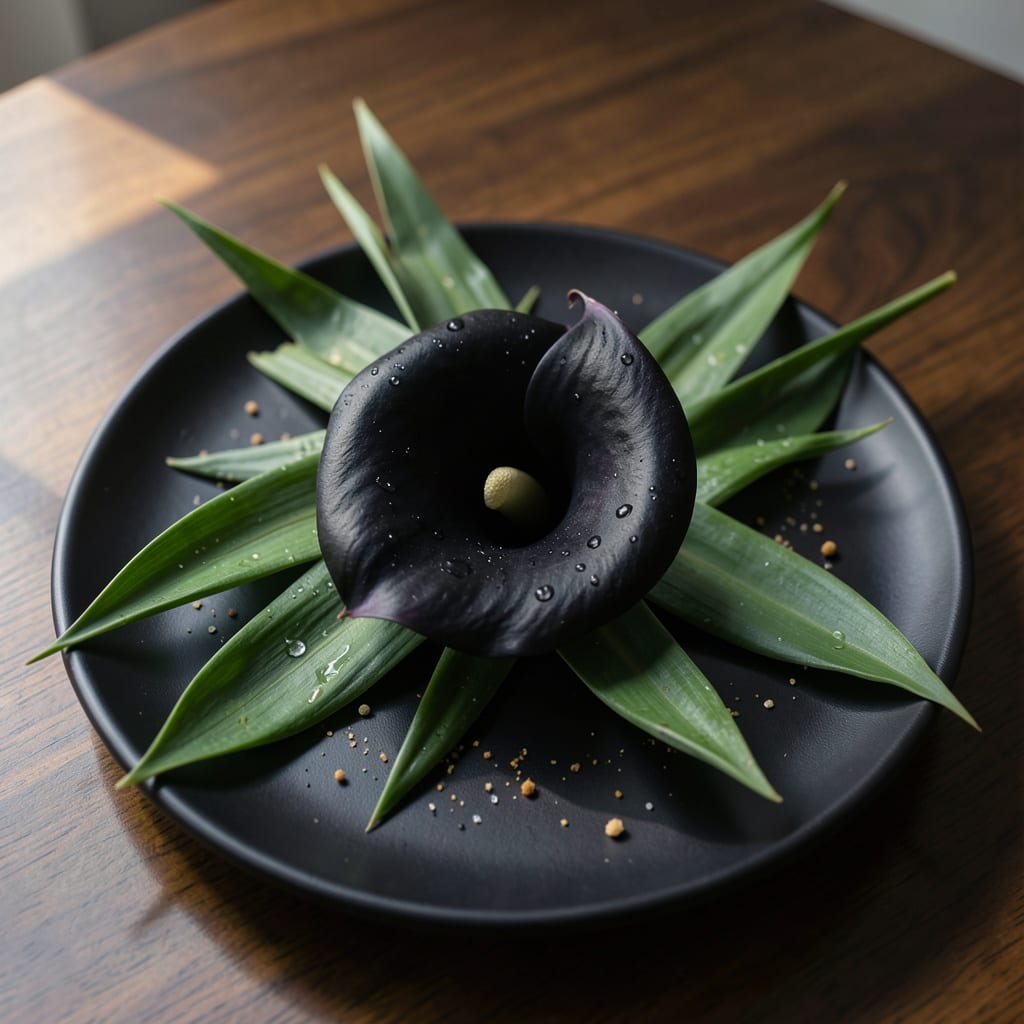
Dark, dramatic blooms that stop visitors in their tracks. Black Calla Lily ‘Odessa’ brings that rare deep purple-black hue to borders that most plants can’t match.
I’ve found they thrive in partial shade with consistently moist soil, and the velvet-textured flowers last weeks longer than lighter varieties. Perfect for adding mystery to cutting gardens or shaded edges.
📚 In This Guide
This elegant variety thrives with minimal effort, but precision in planting ensures those dramatic dark blooms.
Choose a site with partial to full sun—Odessa tolerates shade but produces the deepest, most velvety blooms in 4-6 hours of direct light. The soil must drain well; calla lilies rot in waterlogged conditions. I test drainage by digging a 1-foot-deep hole, filling it with water, and ensuring it drains within 2-3 hours.
Amend heavy clay or compacted soil with compost or aged manure to improve structure. Work it into the top 12-18 inches of soil. This variety prefers slightly acidic to neutral pH (6.0-7.0), so if your soil tests alkaline, mix in elemental sulfur as recommended by a soil test.
Plant rhizomes in spring after the last frost when soil temperatures reach 60°F. Dig holes 3-4 inches deep and space rhizomes 12-18 inches apart to allow for mature spread. Place each rhizome horizontally with the buds facing upward—this orientation ensures proper growth direction.
Cover with soil and press gently to remove air pockets, but don’t compact the soil. Water thoroughly after planting to settle the soil around the rhizomes. I’ve found that a 2-inch layer of mulch (like shredded bark) helps retain moisture and regulate soil temperature without smothering the plants.
Keep the soil consistently moist but not soggy during the growing season. Water when the top 1-2 inches of soil feel dry to the touch. Odessa calla lilies are somewhat drought-tolerant once established, but inconsistent moisture leads to weak stems and smaller blooms.
Avoid wetting the foliage to prevent fungal issues. I use a soaker hose or drip irrigation to deliver water directly to the roots. During extreme heat, you may need to water daily, but always check soil moisture first—overwatering is a more common issue than underwatering with this variety.
Apply a balanced, water-soluble fertilizer (like 10-10-10) every 2-3 weeks during the growing season. Switch to a low-nitrogen, high-phosphorus formula (e.g., 5-10-10) just before blooming to encourage flower development. I dilute the fertilizer to half the recommended strength to avoid burning the rhizomes.
Stop fertilizing once the foliage begins to yellow in late summer or early fall, signaling the plant’s dormant period. At this point, gradually reduce watering to allow the rhizomes to dry out slightly, which helps them store energy for the next growing season.
In zones 8-10, Odessa calla lilies are semi-evergreen and can remain in the ground year-round. In colder climates, dig up the rhizomes after the first frost blackens the foliage. Shake off excess soil and let them dry in a well-ventilated, shaded area for 1-2 days.
Store the rhizomes in a cool, dry location (around 50°F) in a paper bag or peat moss to prevent drying out. Replant in spring after the danger of frost has passed. This simple step ensures you’ll enjoy those striking black blooms for years to come.
Precision in planting makes all the difference for those dramatic dark blooms.
Sunlight Strategy: Aim for that 4-6 hours of direct light sweet spot. I’ve noticed the deepest, most velvety blooms appear when my plants get morning sun and afternoon shade—this prevents scorching while maximizing color intensity. Trust me on this.
Drainage Test: Always do the 1-foot-deep hole test before planting. If water doesn’t drain within 2-3 hours, amend with compost. I learned this the hard way after losing two rhizomes to root rot in poorly draining soil.
Planting Depth: Stick to 3-4 inches deep for rhizomes. Planting too shallow exposes them to temperature swings, while too deep can delay sprouting. Place them horizontally with buds up—this small detail ensures proper growth direction.
Overwintering Wisdom: In zones below 8, don’t skip the 1-2 day drying period after digging up rhizomes. Store them at 50°F in peat moss—this mimics their natural dormant conditions and prevents desiccation.
The ideal time is in spring after the last frost, when soil temperatures reach 60°F. This ensures healthy root development before summer blooms. Avoid planting in extreme heat or cold.
It thrives in partial to full sunlight (4-6 hours daily). In hotter climates, afternoon shade helps prevent leaf scorching while maintaining its deep, velvety blooms.
Yellowing leaves may indicate overwatering, while brown tips suggest underwatering. Watch for pests like aphids and treat with neem oil. Ensure well-draining soil to avoid root rot.
Yes! Use a large pot (12+ inches) with drainage holes and rich potting mix. Keep soil moist but not soggy, and move containers indoors if temperatures drop below 50°F.
Try Black Bat Flower or Queen of Night Tulips for similar dark elegance. Both offer striking, moody blooms perfect for borders or focal points.
