
Beautiful Plants For Your Interior
Beautiful Plants For Your Interior
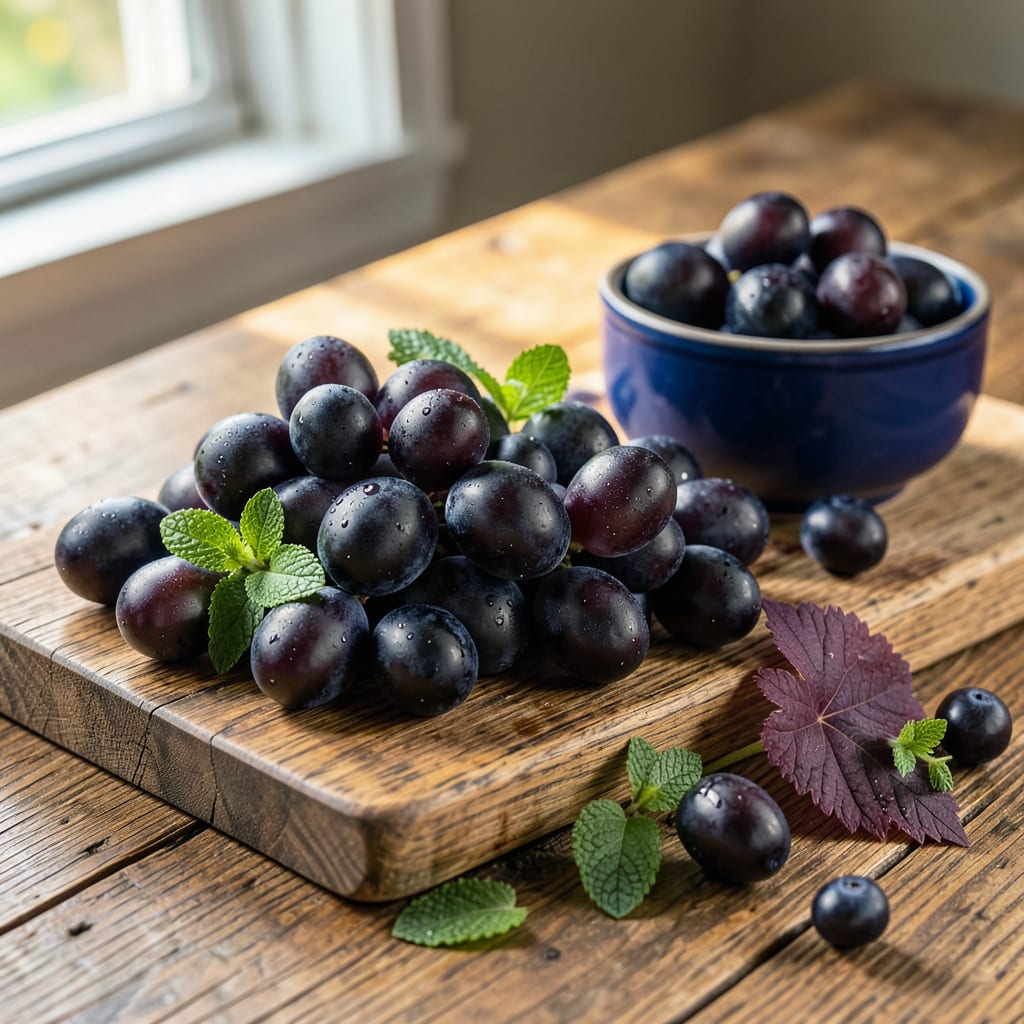
I planted my first Black Beauty vines three years ago and haven’t bought store grapes since. These disease-resistant muscadines thrive with minimal fuss, producing clusters of sweet, juicy fruit that burst with flavor.
They handle heat and humidity better than most varieties, making them perfect for southern gardens. A little pruning and proper support give you years of harvests from just a few plants.
📚 In This Guide
Here’s the method I’ve refined over years to produce reliable, flavorful harvests every season.
Choose a location with full sun exposure, as Black Beauty muscadines require at least 6-8 hours of direct sunlight daily for optimal fruit production. The soil should be well-draining with a pH between 6.0 and 6.5—test with a soil kit if unsure. I always amend heavy clay or sandy soil with organic matter to improve structure.
Clear a 4-foot diameter area of weeds and grass, as these compete for nutrients and moisture. Dig the planting hole 12-18 inches deep and twice as wide as the root ball. This gives roots room to establish quickly. Set aside the excavated soil for backfilling.
Remove the vine from its container and gently loosen any circling roots with your fingers. Position the plant in the hole so the root crown sits 1-2 inches above the soil line—this prevents rot as the vine settles. Backfill with native soil, tamping lightly to eliminate air pockets.
Create a 3-inch-high water basin around the base to help direct moisture to the roots. Water deeply with 5 gallons immediately after planting to settle the soil. I stake young vines at planting to provide early support before the trellis system goes in.
Install a sturdy trellis within the first year, as Black Beauty vines grow vigorously and need support. I use a high cordon system with wires at 4, 6, and 8 feet above ground. Space posts 15-20 feet apart for mature vines, as they can spread significantly.
Train the main stem upward to the first wire, then horizontally along the wire in both directions. Secure with soft plant ties that won’t girdle the stem. Prune off any side shoots below the first wire to focus energy on upward growth initially.
Prune annually in late winter while the vine is still dormant. Remove 70-80% of the previous year’s growth, leaving 2-4 buds per spur for fruit production. This seems severe but produces larger, sweeter fruit clusters. I always sterilize pruners between cuts with rubbing alcohol to prevent disease spread.
Thin fruit clusters when they’re about pea-sized to improve air circulation and fruit quality. Leave about 6-8 inches between clusters. Apply a 2-3 inch layer of mulch around the base annually to retain moisture and suppress weeds.
Black Beauty muscadines are relatively disease-resistant, but watch for pierce’s disease in warmer climates and powdery mildew in humid conditions. Remove any affected foliage immediately and dispose of it away from the vine. I apply a copper-based fungicide preventatively in early spring and after heavy rains.
Japanese beetles and birds may target the fruit. Use bird netting when fruit begins to color, and handpick beetles in the morning when they’re sluggish. Regular monitoring catches issues before they become serious problems.
After years of trial and error, I’ve learned what truly makes a difference in growing these vines successfully.
Sunlight Requirement: The 6-8 hours of direct sunlight mentioned in Step 1 isn’t just a suggestion—it’s essential for optimal fruit production. I’ve found that vines receiving morning sun do particularly well, as it helps dry dew quickly, reducing disease risk. Don’t compromise on this requirement, as shaded vines will produce smaller, less flavorful fruit clusters.
The Planting Depth Secret: In Step 2, that 1-2 inches above the soil line positioning for the root crown is critical. After planting several vines too deep early on, I learned this prevents rot as the vine naturally settles. Trust me, it’s better to have it slightly high than too low in the ground.
Trellis Timing: Don’t wait on Step 3’s trellis installation—the first year is ideal. I made the mistake of delaying this with my first vine, and the uncontrolled growth made later training much more difficult. The 4, 6, and 8 feet wire heights work perfectly for managing the vigorous growth habit of Black Beauty vines.
Pruning Precision: That 70-80% removal in Step 4 might seem aggressive, but it’s what produces those large, sweet clusters. I was hesitant at first, but the difference in fruit quality after proper pruning was undeniable. Just remember to sterilize those pruners between cuts—it’s a small step that prevents big problems.
Black Beauty muscadines typically bear fruit 2–3 years after planting. Full production is usually achieved by the 4th or 5th year, yielding sweet, juicy grapes perfect for fresh eating or wine.
Plant in late winter or early spring (February–March) when the soil is workable. This gives roots time to establish before summer heat. Avoid planting in extreme cold or drought.
Yes! A sturdy trellis or arbor is essential to support the vigorous vines and prevent disease by improving air circulation. Train young shoots early for best results.
Watch for Pierce’s disease, leaf spot, and pests like grape berry moths. Prune for airflow, remove fallen leaves, and use organic sprays (e.g., neem oil) if needed. Resistant varieties help too!
Yes, but use a large container (15+ gallons) with well-draining soil. Dwarf rootstocks work best. Ensure full sun and consistent watering, as potted vines dry out faster.
