
Beautiful Plants For Your Interior
Beautiful Plants For Your Interior
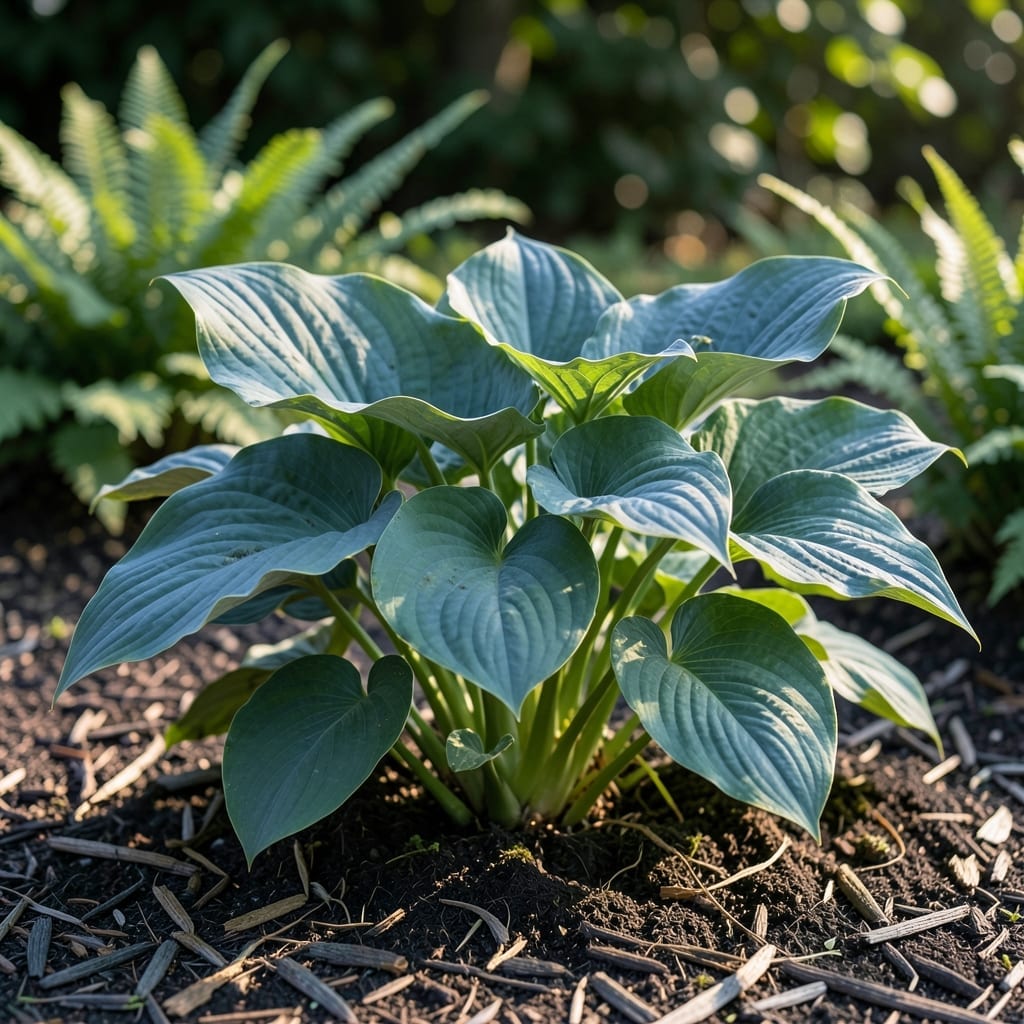
There’s something magical about watching deep purple and blue-green leaves emerge in your shade garden. The Black And Blue Hosta 🌿 transforms dull corners into vibrant focal points with its striking foliage.
If you’ve struggled to find plants that thrive in low-light areas, this shade-loving perennial might be your solution. It brings both color and texture to spaces where many other plants fail.
I’ve found that these hostas are surprisingly easy to grow once you understand their simple needs. The key lies in proper placement and consistent care.
Let me show you how to create that dramatic garden impact you’ve been dreaming about with these stunning plants.
I’ve always been amazed by how black and blue hostas can transform a shady garden corner. These varieties offer deep purple-black foliage with stunning blue-green accents that catch the eye.
From compact plants to giant specimens, there’s a perfect hosta for every garden space. The key is choosing cultivars that match your specific growing conditions and design goals.
| Variety | Foliage Color | Mature Size | Ideal Conditions |
|---|---|---|---|
| Halcyon | Blue-green | 18″ tall × 36″ wide | Partial to full shade |
| Blue Angel | Powder blue | 36″ tall × 60″ wide | Full shade, moist soil |
| Black Beauty | Dark purple-black | 22″ tall × 48″ wide | Partial shade, well-drained |
| Abba | Blue with dark margins | 20″ tall × 40″ wide | Full to partial shade |
The Halcyon hosta is my top pick for beginners. Its slate-blue leaves maintain color all season and it’s incredibly low-maintenance. This variety thrives in most shade conditions.
For dramatic impact, I recommend Blue Angel. Its massive powder-blue leaves create a tropical feel in any garden. Just ensure it has enough space to reach its full size.
Black Beauty lives up to its name with near-black foliage. It’s perfect for adding depth and contrast to your plantings. I’ve found it does best with some morning sun.
The Abba hosta offers unique variegation with blue centers and dark edges. It’s a great choice for container gardening or smaller garden spaces.
When selecting varieties, consider your garden’s light conditions carefully. While all hostas prefer shade, some tolerate more sun than others. The darker the foliage, the more sun it can typically handle.
I’ve learned that soil quality matters most for these plants. They thrive in rich, organic soil that retains moisture without becoming waterlogged. A yearly top-dressing of compost works wonders.
Remember that mature sizes vary greatly between cultivars. Always check the expected dimensions before planting to ensure proper spacing for healthy growth.
I love how black and blue hostas can transform a shady corner into a dramatic garden focal point. Their deep, moody tones create a sophisticated backdrop for lighter plants.
Pairing them with silver-leafed plants like lamb’s ear or variegated hostas makes the blue hues pop even more. The contrast is absolutely stunning.
For container gardens, try a large ceramic pot with a blue hosta as the centerpiece. Surround it with trailing ivy and white caladiums for a striking display.
I’ve had great success using these hostas along garden pathways. Their low-maintenance nature makes them perfect for edging shady walks.
Don’t forget about vertical interest. Plant them near climbing hydrangeas or clematis to create layers of texture and color.
The key is to balance their dark tones with lighter elements. This creates a harmonious shade garden that feels both bold and serene.
Experiment with different combinations to find what speaks to your gardening style 🌿