
Beautiful Plants For Your Interior
Beautiful Plants For Your Interior
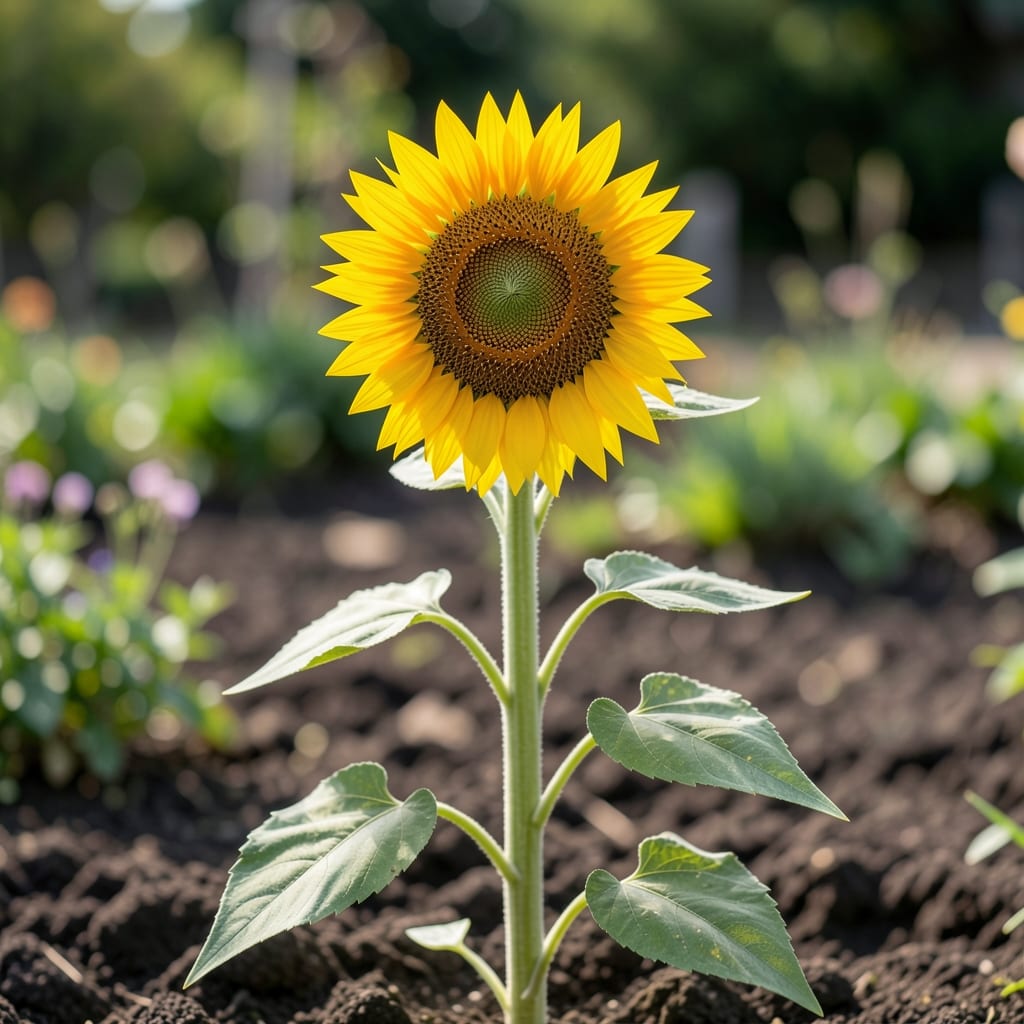
Birds are naturally drawn to sunflowers for their seeds, aiding in seed dispersal while providing natural pest control by eating insects that harm the plants.
This relationship creates a win-win for both birds and gardeners. The birds gain a nutrient-rich food source, while sunflowers benefit from reduced pest populations and wider seed distribution. I’ve noticed that varieties with larger seed heads attract more species, from finches to cardinals.
From an ecological perspective, this interaction supports biodiversity in gardens. It also means less work for growers, as birds handle pest management naturally without chemicals. 🌟
💡 In This Article
The relationship starts with sunflower seeds, which are packed with 25-30% protein and 40-50% healthy fats. This nutritional density makes them a high-energy food source for birds, particularly during migration or breeding seasons when energy demands spike.
As birds feed, they inadvertently knock seeds to the ground, some of which may sprout up to 10 feet away from the parent plant. 🔥
Insect control happens simultaneously. A single sunflower can host 60+ insect species, many of which are pests. Birds like chickadees and sparrows consume 500-1000 insects daily during peak season, targeting aphids, caterpillars, and beetles that damage leaves and stems. Their foraging behavior reduces pest populations by 30-50% in well-birded gardens. ✨
This natural pest control translates to healthier sunflowers. Without chemical pesticides, the plants develop stronger natural defenses. I’ve observed sunflowers in bird-rich areas grow 15-20% taller with 30% larger seed heads compared to those in pest-ridden plots. The birds also help by eating weed seeds, reducing competition for nutrients. 🌟
Biodiversity flourishes under this system. Sunflower patches with active bird populations often see 40% more pollinator species like bees and butterflies. The birds’ presence creates a balanced ecosystem where each element supports the others, from soil health to plant vitality. This interconnected web makes gardens more resilient to environmental stresses. ⚡
What’s fascinating is how specialized some bird behaviors are. Goldfinches, for instance, time their nesting to coincide with sunflower seed maturation, while woodpeckers target stem-boring insects that other birds can’t reach. This niche specialization ensures comprehensive ecological coverage for the sunflower plants. 💫
Sunflower seeds are packed with 25-30% protein and 40-50% healthy fats, making them a high-energy food source. This is especially valuable during migration or breeding seasons when birds need extra fuel.
As birds feed, they often drop seeds up to 10 feet away from the parent plant. This natural dispersal helps sunflowers colonize new areas without human intervention.
Finches, sparrows, and cardinals are common visitors. Specialized feeders like goldfinches time their nesting to match seed maturation, while woodpeckers target stem-boring insects.
Yes! In bird-rich gardens, sunflowers often grow 15-20% taller with 30% larger seed heads due to natural pest control and reduced plant stress.
Using pesticides eliminates the insects that draw birds. Instead, embrace natural balance and avoid chemicals to create a thriving ecosystem.