
Beautiful Plants For Your Interior
Beautiful Plants For Your Interior
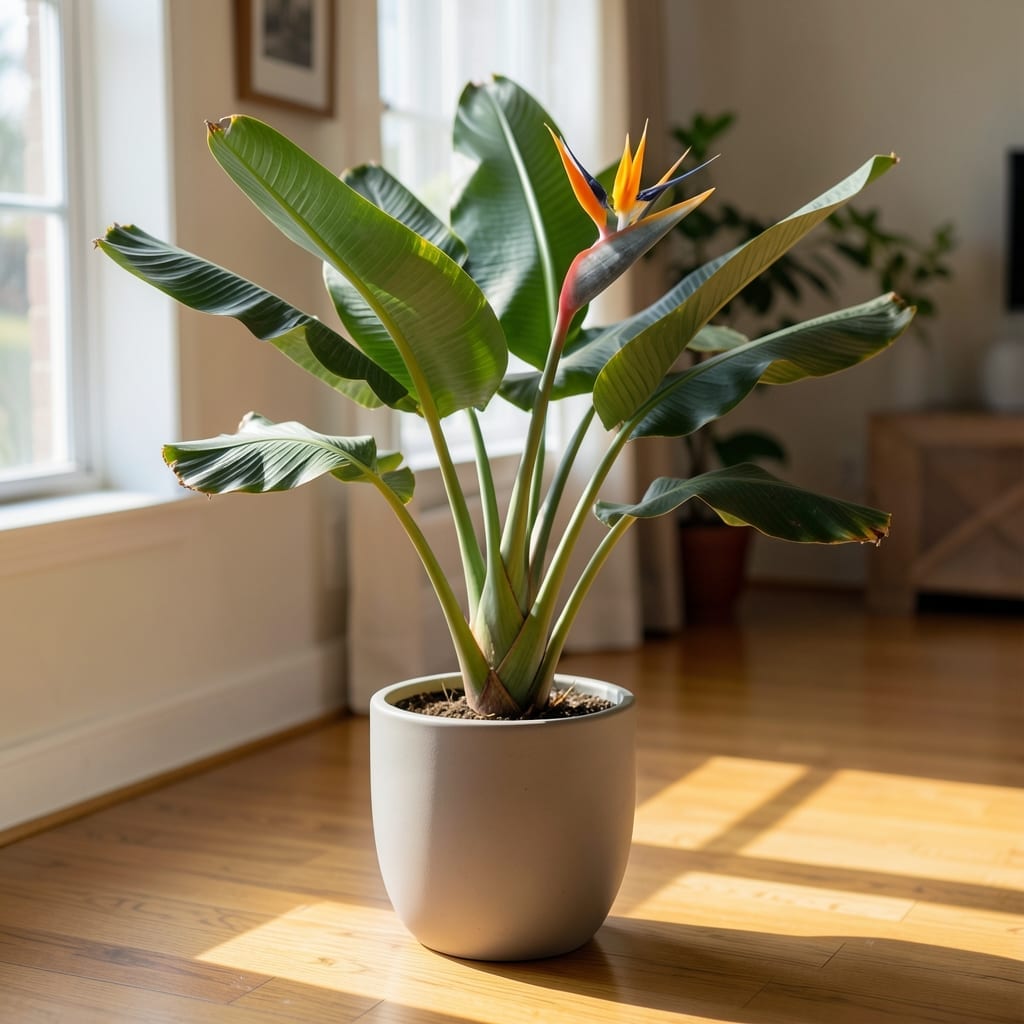
Those striking bird of paradise leaves suddenly curling into tight rolls? I’ve been there—panicked, Googling at midnight. Turns out, it’s usually your plant screaming for a simple fix.
Most often, it’s either thirst or drowning. Dry soil means crispy, inward-curling edges, while soggy roots trigger soft, droopy curls. Check the soil 2 inches down—bone dry or swampy?
Light and temperature play their part too. Drafts, blasting AC, or too little sun stress the plant. Move it to a spot with bright, indirect light and steady temps.
Once you adjust water and environment, new growth appears straight and strong. The curled leaves won’t uncurl, but fresh ones will tell you you’ve nailed the fix.
Bird of paradise leaves curl as a stress response to suboptimal growing conditions. Here are the primary causes:
These tropical plants thrive in 65–85°F (18–29°C). Exposure to cold drafts (below 50°F/10°C) or heat sources (radiators, direct hot sun) disrupts cellular water balance, causing leaves to curl inward to reduce surface area and minimize moisture loss. Strobilanthes species exhibit similar behavior under thermal stress.
Both underwatering and overwatering trigger curling. Drought stress forces leaves to conserve water, while soggy soil suffocates roots, impairing nutrient uptake. Check soil moisture 2 inches deep—water only when dry. Ensure pots have drainage holes to prevent root rot.
Native to humid climates, bird of paradise plants need 40–60% humidity. Dry air (common in heated homes) causes leaf edges to brown and curl as the plant attempts to retain moisture. Grouping plants together or using a pebble tray can help.
A lack of magnesium (interveinal chlorosis) or potassium (weak stems, curled tips) disrupts photosynthesis and cell turgor. Use a balanced, slow-release fertilizer (N-P-K 10-10-10) every 4–6 weeks during growing season.
Spider mites and mealybugs suck sap from leaves, causing dehydration and curling. Inspect leaf undersides for webbing or white cottony clusters. Treat with neem oil or insecticidal soap, isolating affected plants to prevent spread.
If your bird of paradise leaves are curling, don’t panic—there’s usually a simple fix. Below are targeted solutions for the most common causes, along with prevention tips to keep your plant thriving.
If the soil is bone-dry, give your plant a deep watering until water drains from the bottom. Let the top 1-2 inches of soil dry out between waterings. Prevention: Stick to a consistent schedule and use a moisture meter to avoid guesswork. 💡 Pro tip: Water in the morning to reduce evaporation.
Stop watering immediately and let the soil dry out. Check the roots for rot—trim any black, mushy roots and repot in fresh, well-draining soil. Ensure your pot has drainage holes. Prevention: Use a terracotta pot to wick away excess moisture and always empty the saucer after watering.
Mist the leaves regularly or place a humidifier nearby. Grouping plants together can also raise humidity. Prevention: Keep your bird of paradise in a naturally humid room, like a bathroom with good light, or use a pebble tray with water beneath the pot. ✨
Move your plant away from drafts, heaters, or AC vents. Keep it in a spot with steady temperatures between 65–80°F. Prevention: Avoid placing it near windows that get too cold at night or too hot during the day.
Wipe leaves with a soapy water solution (1 tsp mild soap per quart of water) to remove pests like spider mites or aphids. For stubborn cases, use neem oil. Prevention: Inspect leaves regularly and isolate new plants for a few weeks before introducing them to your collection.
Water when the top 1-2 inches of soil feel dry. In warm months, this may mean watering every 7-10 days, but always check soil moisture first. Overwatering is more harmful than underwatering.
Existing curled leaves won’t uncurl, but new growth will look healthy once conditions improve. Focus on fixing the underlying issue, and fresh leaves will appear straight and vibrant.
Bird of paradise thrives in 40-60% humidity. Use a humidifier or pebble tray if your home is dry. Misting helps but isn’t enough for long-term solutions.