
Beautiful Plants For Your Interior
Beautiful Plants For Your Interior
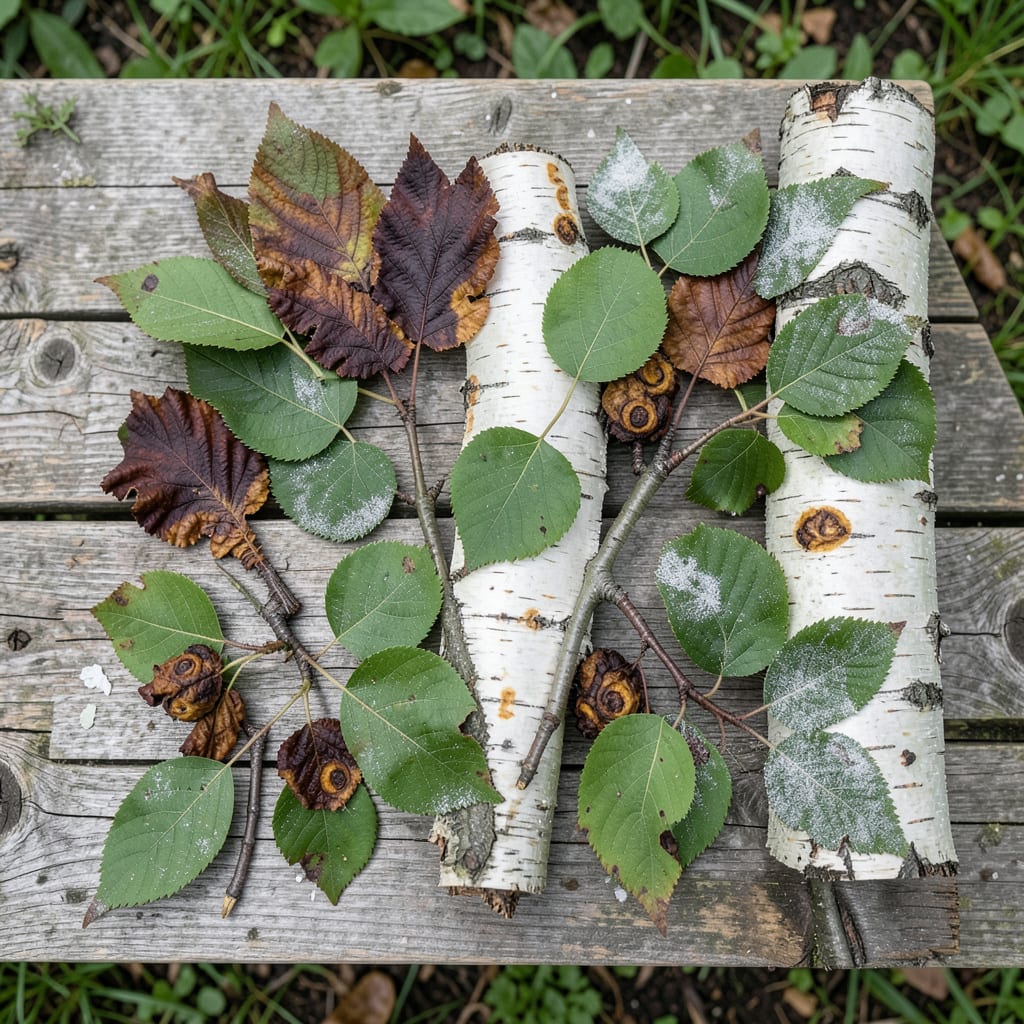
That bronze leaf discoloration isn’t just fall coming early. I’ve seen birch trees go from vibrant to struggling in one season, and the culprit is almost always a preventable disease hiding in plain sight.
The good news? Most issues announce themselves with telltale patterns—dark spots, peeling bark, or unnatural leaf drop. Once you know what to look for, diagnosing becomes straightforward. I’ve saved several of my own trees by catching problems before they spread.
With the right approach, you’ll restore your birch’s health and prevent future infections. Organic treatments work surprisingly well for most common diseases, and prevention often comes down to simple cultural practices.
This guide helps you identify, treat, and protect your trees using clear photos and actionable steps.
Birch trees are hardy, but several factors can weaken them and invite disease. Understanding the root causes helps you prevent and address issues early. Here are the primary triggers:
Extreme weather, drought, or poor soil conditions stress birch trees, making them vulnerable to fungal infections like Bronze Birch Borer and Birch Leaf Blight. Compacted or waterlogged soil restricts root growth, reducing the tree’s ability to absorb nutrients and water. Action: Improve drainage and mulch to retain moisture without suffocating roots.
Fungi such as Marssonina betulae (leaf spot) and Inonotus obliquus (chaga) thrive in wet, humid conditions. These pathogens spread through spores, infecting leaves, bark, or roots. Action: Prune infected branches immediately and apply fungicides (e.g., copper-based) during dormant seasons.
Insects like the Bronze Birch Borer and Birch Bark Beetle bore into the tree, creating entry points for disease. Weak or drought-stressed trees are prime targets. Action: Monitor for D-shaped exit holes in the bark and treat with insecticidal sprays or systemic insecticides in early spring.
A lack of essential nutrients (e.g., iron, manganese) weakens a birch tree’s immune system. Yellowing leaves (chlorosis) often signal poor soil pH or compacted roots. Action: Test soil pH (ideal: 5.0–6.5) and amend with iron sulfate or organic compost as needed.
Keeping your birch trees healthy starts with quick action and smart prevention. Below are targeted fixes for common issues, along with tips to stop problems before they start.
Act fast at the first sign of trouble, and your birch trees will thrive for years to come!
Look for dark spots or patches on leaves, peeling bark, or a white powdery coating. Fungal issues often appear after wet weather.
Keep trees healthy with consistent watering and avoid stress from drought or injury. Apply insecticidal treatments in early spring if pests are spotted.
Yes, if caught early. Prune affected branches 6 inches below the canker and disinfect tools between cuts. Remove severely infected trees to protect others.
This often signals nutrient deficiency, especially iron. Test soil pH and amend with iron sulfate if levels are low. Poor drainage can also cause this issue.
