
Beautiful Plants For Your Interior
Beautiful Plants For Your Interior
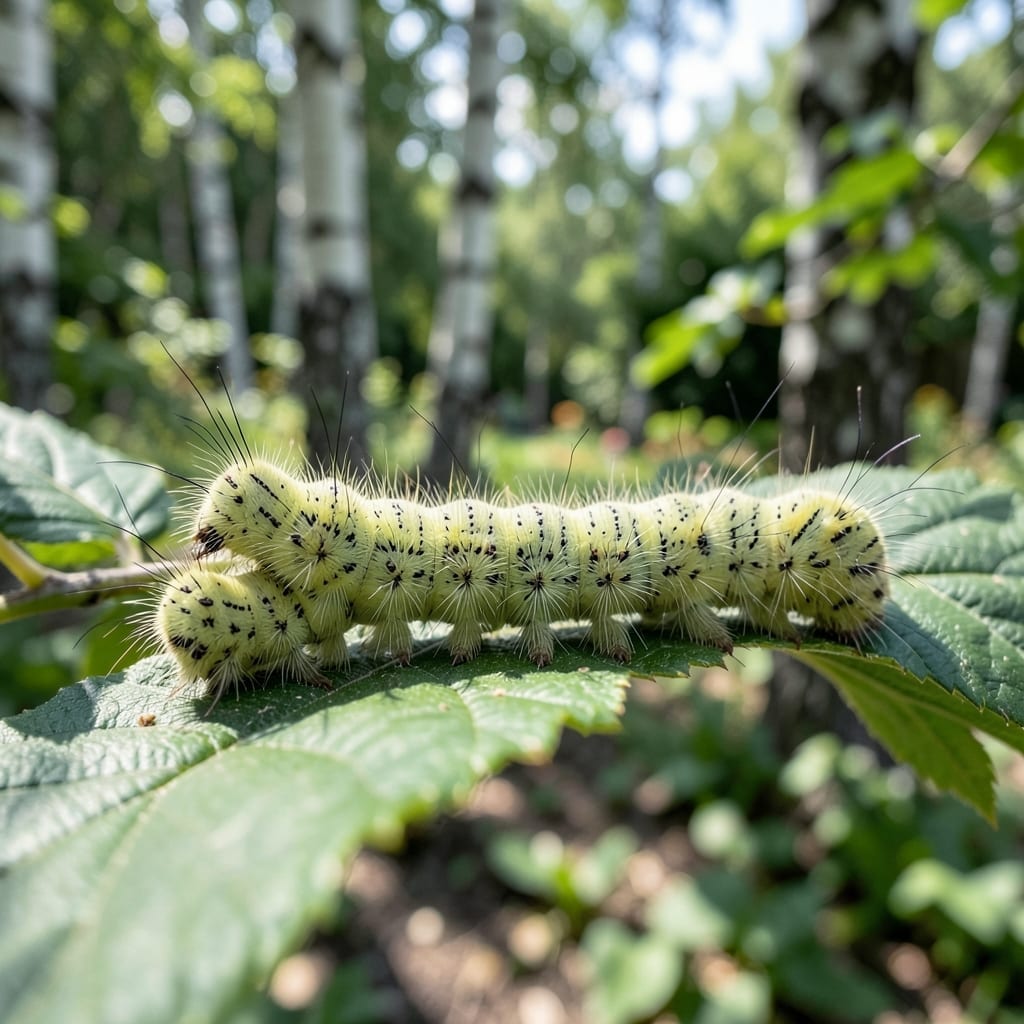
Those little green worms stripping your birch leaves aren’t just annoying—they’re costly. I lost 30% of my canopy one spring before learning to spot the early signs.
Birch leafroller and tussock moth caterpillars chew through foliage, leaving skeletonized leaves and silken webs. The damage stunts growth and stresses trees, making them vulnerable to disease.
You can fight back with targeted sprays or natural predators. I’ve tested both, and the organic approach works surprisingly well if you start early.
Here’s how to identify these pests, stop the damage, and keep your birch trees healthy without harsh chemicals.
Understanding why birch trees fall victim to caterpillar infestations is key to prevention and control. These pests are drawn to specific conditions and vulnerabilities in the tree and its environment. Here’s why it happens:
Caterpillars, such as the birch leaf miner or gypsy moth larvae, often target trees that are already weakened by drought, poor soil, or disease. Stressed trees produce fewer defensive chemicals, making them easier targets for egg-laying adults and hungry larvae.
Birch leaves are a prime food source for many caterpillar species. Trees with dense, lush foliage provide abundant nourishment, attracting adult moths and butterflies to lay eggs. The tent caterpillar and fall webworm are particularly fond of birch leaves, leading to large-scale defoliation if unchecked.
Warm, dry springs and early summers create optimal conditions for caterpillar outbreaks. Mild winters allow more eggs to survive, while early-season warmth accelerates hatching. Birch trees in regions with these climates are especially susceptible to recurring infestations.
When natural predators like birds, parasitic wasps, or ground beetles are absent, caterpillar populations can explode. Urban landscapes or areas with limited biodiversity often lack these checks, allowing pests to thrive unchecked on birch trees.
Dealing with caterpillar infestations on your birch trees can feel overwhelming, but these practical solutions will help you reclaim your tree’s health. Below are targeted fixes for common causes, paired with prevention tips to keep pests at bay.
If the infestation is small, manually remove caterpillars using gloves or a soft cloth. Drop them into a bucket of soapy water to ensure they don’t return. Check the undersides of leaves, where they often hide. Prevention tip: Inspect your trees weekly during peak caterpillar seasons (spring and early summer) to catch issues early.
Neem oil or Bacillus thuringiensis (Bt) are natural, effective treatments. Mix neem oil with water and a few drops of dish soap, then spray it directly on the caterpillars and affected areas. Bt, a bacterial spray, targets only caterpillars without harming other insects. Prevention tip: Apply these sprays in the evening to avoid harming beneficial pollinators like bees.
Encourage birds, parasitic wasps, and ground beetles—natural predators of caterpillars—to your garden. Install birdhouses or birdbaths to attract feathered helpers. Avoid broad-spectrum pesticides, which can kill these beneficial species. Prevention tip: Plant native shrubs and flowers nearby to create a diverse ecosystem that deters pests naturally.
Wrap tree bands or sticky barriers around the trunk to prevent caterpillars from crawling up. This works especially well for climbing species like cankerworms. Replace or refresh the bands regularly to maintain effectiveness. Prevention tip: Prune lower branches to limit access points for pests.
💡 Pro tip: Combine two or more methods for the best results—e.g., handpicking followed by a neem oil spray to address both visible pests and hidden eggs.
Birch leafroller caterpillars are pale green with brown heads, while tussock moth caterpillars have distinctive tufts of hair. Tent caterpillars form silky webs in branches. Always check undersides of leaves for accurate identification.
Early spring is ideal, as soon as you notice new leaf damage or egg masses. Treat before caterpillars grow larger and cause more harm. Evening applications work best to protect beneficial insects.
Healthy birch trees can recover from partial defoliation, but severe or repeated damage weakens them. Act quickly with treatment and provide extra water to support recovery. Young trees are more vulnerable.
Yes! Encourage birds with feeders, maintain tree health with proper watering, and remove fallen leaves to eliminate hiding spots. These natural approaches reduce the need for interventions.