
Beautiful Plants For Your Interior
Beautiful Plants For Your Interior
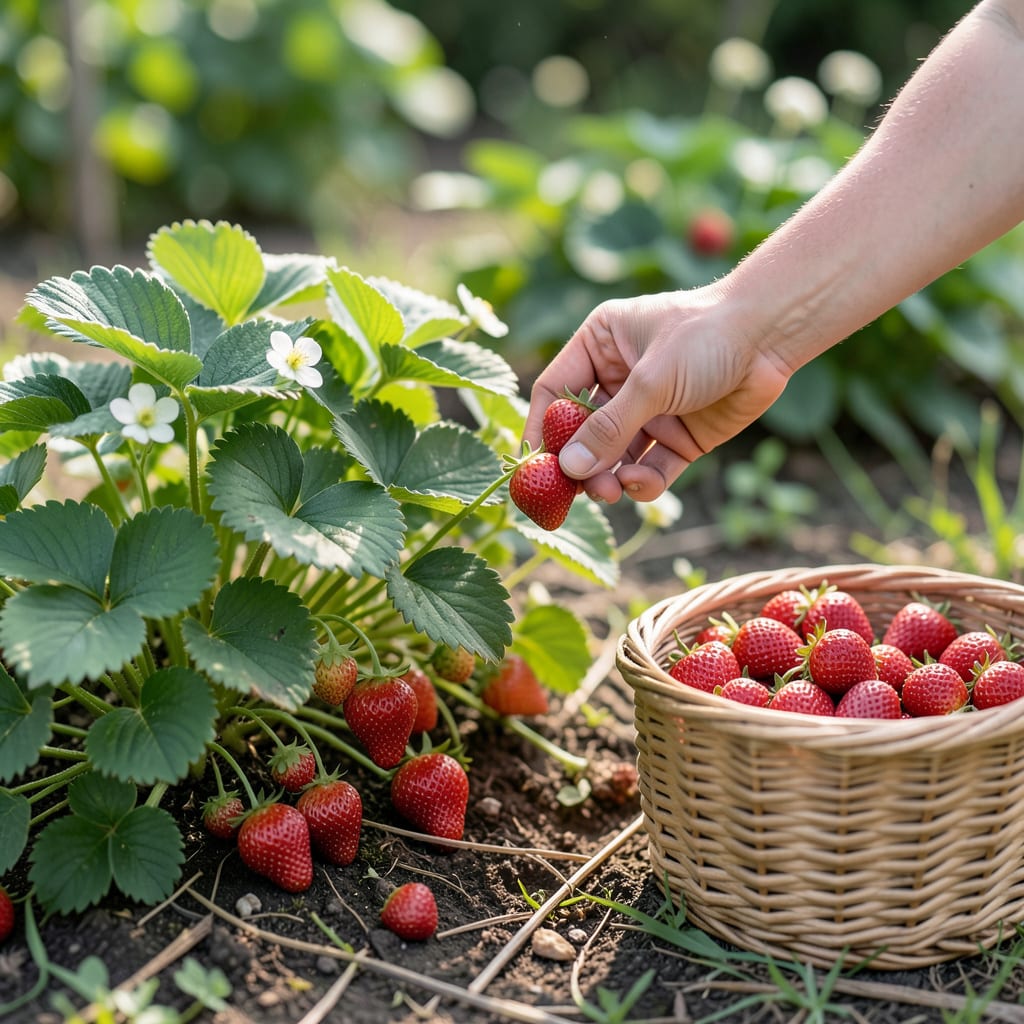
There’s nothing quite like the taste of a perfectly ripe Strawberry 🍓 fresh from the plant. But picking them at the wrong time can leave you with tart, underripe berries instead of that sweet burst of flavor you’re craving.
I’ll show you how to spot the telltale signs of ripeness and use the right technique to harvest without harming your plants. These simple tips will ensure every berry you pick is at its peak of deliciousness.


Knowing when your strawberries are ready to pick makes all the difference in flavor and quality. I always look for that perfect deep red color covering the entire berry, with no green or white patches left behind. This is your first clue that the fruit is at its peak.
Another sure sign is the texture—ripe strawberries should give slightly when you gently press them. They’ll also have a sweet aroma that’s hard to miss when you’re close to the plant. These cues together mean it’s time to harvest.
🍓 Ripe Strawberry Signs
| Attribute | Details |
| Color | Uniform deep red all over |
| Texture | Slightly soft to touch |
| Aroma | Strong sweet smell |
| Stem | Detaches easily when ready |
If you see green or white patches on the berry, it’s not ready yet. These strawberries will be tart and lack the full sweetness you’re after. I recommend checking your plants every 2-3 days during peak season to catch them at the right moment.
The size of the strawberry matters too. While bigger isn’t always better, a fully grown berry that’s reached its variety’s typical size is usually ready. Smaller varieties like Alpine strawberries are ripe when they’re about 1 inch in diameter.
I also pay attention to the seeds. On ripe strawberries, the seeds should appear slightly raised and have a dry look. If they’re still flat or look wet, the berry might need another day or two on the plant.
Timing your harvest in the morning is ideal. Strawberries picked early in the day tend to be firmer and sweeter, as the cool temperatures help preserve their natural sugars and texture.
Don’t forget to check the calyx (the green leafy part on top). On ripe strawberries, it should be fully formed and easy to grasp. This makes it simpler to pick without damaging the fruit or the plant.
If you’re growing June-bearing strawberries, they typically ripen all at once over a 2-3 week period. For everbearing or day-neutral types, you’ll get multiple smaller harvests throughout the season, so keep checking regularly.
By focusing on these visual and sensory cues, you’ll consistently pick strawberries at their peak of flavor. It’s a simple but rewarding process that ensures every bite is as delicious as possible. ☀️
Picking strawberries the right way ensures your plants stay healthy and keep producing. I always use the pinch-and-twist method to avoid pulling the stem or roots. This gentle approach protects both the fruit and the plant for future harvests.
It’s best to pick with both hands: one to hold the stem and the other to gently twist the berry. This prevents accidental damage to the crown or nearby fruit. Morning is the ideal time, as berries are firmer and less prone to bruising.
🍓 Proper Picking Steps
Never pull strawberries directly from the plant, as this can uproot the shallow roots or damage the runners. These runners are vital for producing new plants and next season’s harvest. I’ve seen many gardeners accidentally kill their plants this way.
Use a small pair of scissors or pruners if the stem is tough. Cut about 1/4 inch above the berry to avoid harming the plant. This method is especially helpful for everbearing varieties that produce multiple harvests.
Always pick into a shallow container to prevent crushing. I like using a wide basket or tray that lets me spread the berries in a single layer. This keeps them from getting squished at the bottom.
Inspect your plants regularly, as strawberries can go from unripe to overripe in just a day or two. I check mine every 48 hours during peak season to catch them at the perfect moment. ✂️
Even experienced gardeners can make simple errors when picking strawberries that reduce yield and flavor. I’ve learned that harvesting too early or too late can ruin your hard-earned crop. These mistakes are easy to avoid once you know what to watch for.
One of the most common pitfalls is using the wrong technique, like pulling berries instead of twisting. This can damage both the fruit and plant, affecting future harvests. Another issue is picking at the wrong time of day.
⚠️ Avoid These Strawberry Picking Errors
Never pick wet strawberries, as this promotes mold and shortens shelf life. I always wait until the morning dew has dried. Also, avoid harvesting overripe berries—they’ll be mushy and attract pests.
Another mistake is ignoring the plant’s health. If your strawberries are small or tart, it might mean they’re not getting enough sunlight or water. I check my plants daily during harvest season to catch issues early.
By avoiding these common missteps, you’ll enjoy sweeter, healthier strawberries and keep your plants thriving for seasons to come. ✂️
Morning is ideal, just after the dew dries but before the heat sets in. Berries picked then are firmer, sweeter, and less likely to bruise during handling.
Use a shallow, wide container and spread the strawberries in a single layer. Never pile them, as the weight can crush lower berries and reduce quality.
Always use the pinch-and-twist method. Hold the stem with one hand, gently pinch the berry with the other, and twist until it detaches cleanly.
No, wet berries are prone to mold and spoilage. Always wait until the morning dew has evaporated before harvesting to extend shelf life.
