
Beautiful Plants For Your Interior
Beautiful Plants For Your Interior
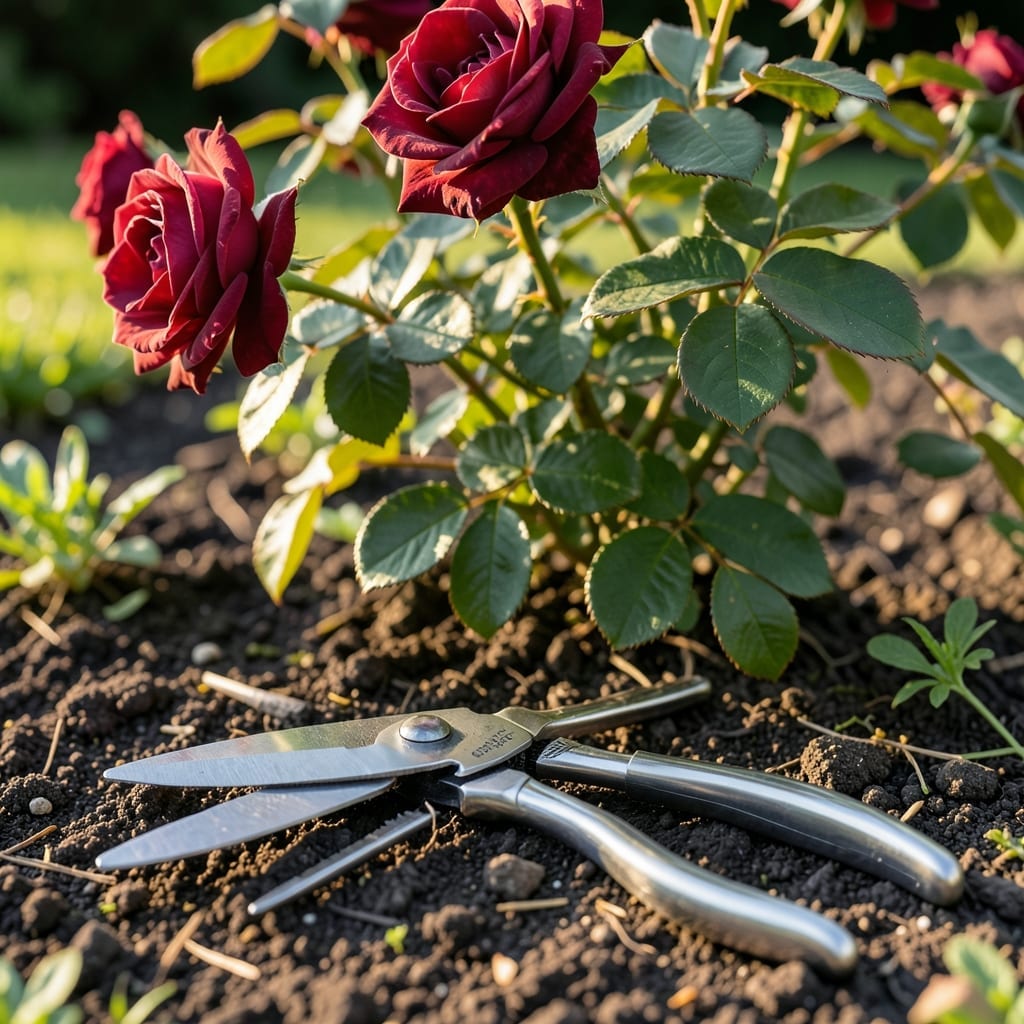
Timing your rose pruning perfectly can mean the difference between a lackluster 🌹 bush and a garden bursting with vibrant, healthy blooms. Many gardeners unknowingly sabotage their Rose by trimming at the wrong time.
I’ve seen firsthand how the right timing transforms struggling plants into showstoppers. Whether you’re in zone 6 or elsewhere, understanding the seasonal rhythm is the key to success.
Discover when to make those crucial cuts for maximum impact. Your roses will thank you with their most spectacular display yet.
I’ve learned that timing your rose pruning can make or break your blooms. The best window for most roses is late winter or early spring, just as new growth begins. This timing helps prevent frost damage while encouraging strong new shoots.
However, not all roses follow the same schedule. Spring-blooming varieties like old garden roses often need pruning right after their flowers fade. Climbing roses, on the other hand, benefit from a light trim in summer after their first flush of blooms.
| Rose Type | Best Pruning Time | Climate Adjustments |
|---|---|---|
| Hybrid Teas | Late winter/early spring | Avoid late fall in cold zones |
| Climbing Roses | After first bloom in summer | Light prune in fall for zones 7+ |
| Old Garden Roses | After flowering | Late summer in cooler climates |
| Shrub Roses | Early spring or fall | Fall pruning for zones 8-11 |
In USDA zones 4-6, I always wait until the last frost has passed before pruning. This usually means March or April. For warmer zones like 9-11, you can prune as early as January or February since frost isn’t a concern.
The key is to watch for swelling buds on your rose canes. This signals that the plant is breaking dormancy and ready for pruning. I’ve found that cutting back 1/3 of the plant at this stage gives the best results for most varieties.
For repeat-blooming roses, a second light pruning in late summer can encourage another round of flowers. But remember, never prune after mid-fall in cold climates, as this can stimulate new growth that won’t survive winter.
If you’re in zone 7 or 8, you have more flexibility. I often do a light prune in fall to shape the plant, then a more thorough pruning in late winter. This approach helps maintain the plant’s health and appearance year-round.
For once-blooming roses, timing is critical. These varieties bloom on old wood, so pruning at the wrong time means losing that year’s flowers. I always wait until just after they finish blooming to do any major cutting back.
Climate plays a huge role in your pruning schedule. In mild winter areas, roses may not go fully dormant, so you can prune slightly earlier. But in harsh winter zones, waiting until all danger of frost has passed is crucial to protect your plants.
Remember, these are general guidelines. Always observe your specific plants and local conditions. A little attention to timing can reward you with healthier plants and more abundant blooms throughout the growing season ✂️
While seasonal timing is crucial, I’ve found that rose bushes often give clear visual signals when they need attention. These signs can override the calendar, especially for health maintenance or disease prevention.
One of the most obvious indicators is dead or blackened wood, which not only looks unsightly but can also harbor pests and diseases. I always remove these first to protect the rest of the plant.
I pay special attention to crossing branches, as they can rub against each other, creating wounds that invite disease. Removing these early prevents long-term damage to your rose’s structure.
Weak growth is another red flag. If you notice thin, spindly stems, these won’t support healthy blooms. I prune these back to encourage stronger new growth from the base.
An overcrowded center is often overlooked but critical. When the middle of your rose bush becomes too dense, it reduces air circulation, which can lead to fungal diseases like black spot.
Finally, watch for suckers—these are shoots that grow from below the graft union. They often look different from the rest of the plant and can sap energy from your desired roses. I remove these immediately at their base.
Remember, these signals often appear before the ideal seasonal window. Don’t hesitate to prune when you spot these issues, even if it’s slightly off-schedule. Your roses will be healthier and more productive for it ✂️