
Beautiful Plants For Your Interior
Beautiful Plants For Your Interior
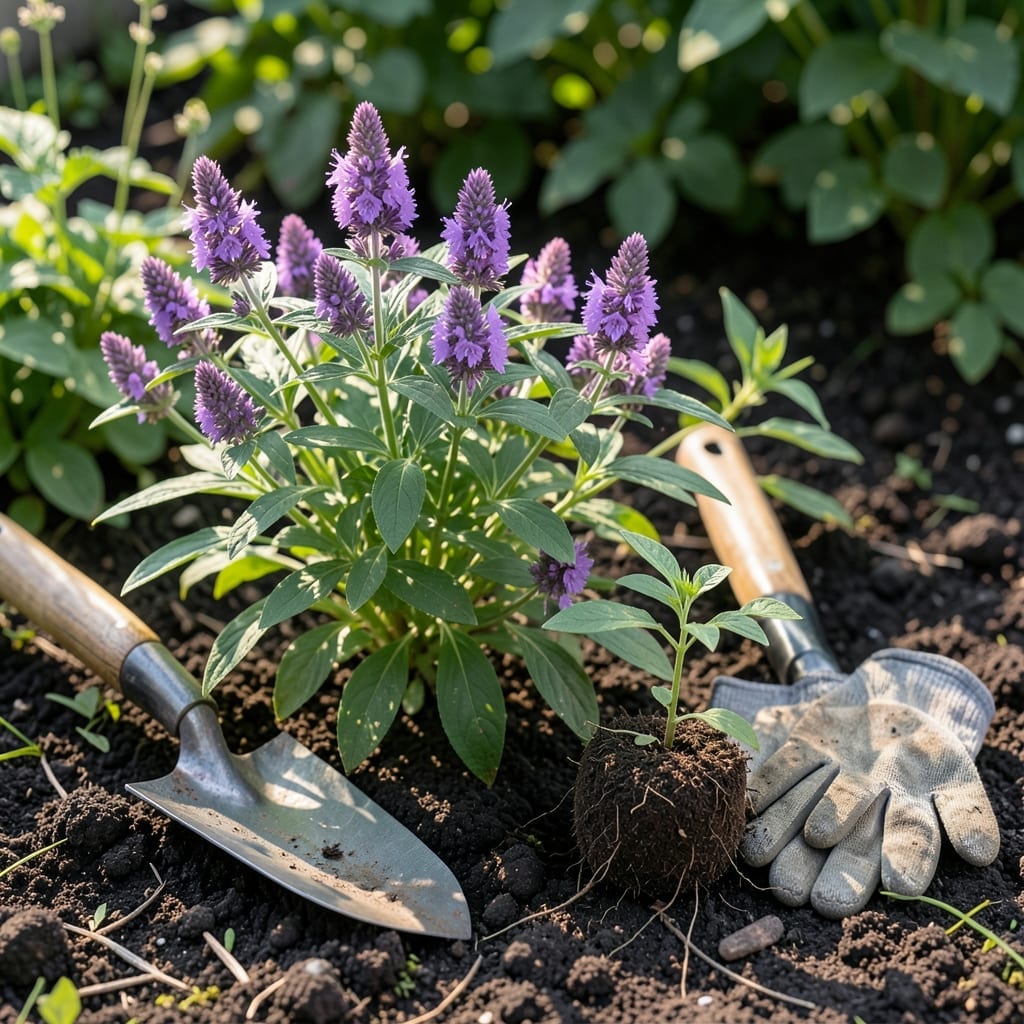
Timing is everything when it comes to moving your 🌸 Perennials. Get it right, and they’ll reward you with years of vibrant blooms and healthy growth.
I’ve seen too many gardeners struggle because they transplanted at the wrong moment. The good news? There are 2 ideal windows each year that make all the difference.
Discover when to make your move and how to set your plants up for success. Your garden will thank you.


Timing your perennial transplanting correctly can make or break your garden’s success. I’ve learned through experience that spring and fall offer the best windows for this task.
During these seasons, cooler temperatures and moderate moisture levels reduce stress on plants, giving them time to establish roots before extreme weather hits.
| Season | Best Time | Why It Works |
|---|---|---|
| Early Spring | March-April | Cool temps, active growth |
| Early Fall | September-October | Mild weather, root growth |
| Avoid | Summer/Winter | Heat stress, dormancy |
The early spring window allows plants to settle in before summer heat arrives. I always aim for 4-6 weeks before the last frost date in my area.
Fall transplanting is equally effective, giving perennials time to establish roots before winter. The 6-week rule applies here too – plant early enough for root growth.
For specific perennials, timing can vary. Daylilies and hostas do well in early fall, while peonies prefer early spring transplanting.
Always check your USDA zone for local variations. In warmer zones, you might get away with late fall planting, while colder climates need earlier timing.
I’ve found that cloudy days are ideal for transplanting, as they reduce stress. If you must plant in sun, evening transplantation works best to avoid midday heat.
Finally, always prepare the new hole before digging up your plant. This minimizes root exposure and ensures a quick transition to its new home. 🌿
Each perennial variety has its own ideal transplanting window. I’ve found that paying attention to these nuances can dramatically improve your success rate and plant health.
For example, hostas and daylilies thrive when moved in early fall, while peonies prefer early spring before new growth starts. Knowing these differences prevents unnecessary stress on your plants.
Before transplanting, I always check for signs of readiness. Healthy plants with established root systems handle the move better than stressed or newly planted ones.
Preparation is key. I water plants thoroughly 1-2 days before moving them. This ensures they’re well-hydrated and reduces transplant shock. Also, prepare the new hole first to minimize root exposure time.
After transplanting, consistent watering is crucial. I give my perennials a deep watering immediately after planting and maintain even moisture for the first 2-3 weeks. This helps roots establish in their new location.
🌱