
Beautiful Plants For Your Interior
Beautiful Plants For Your Interior
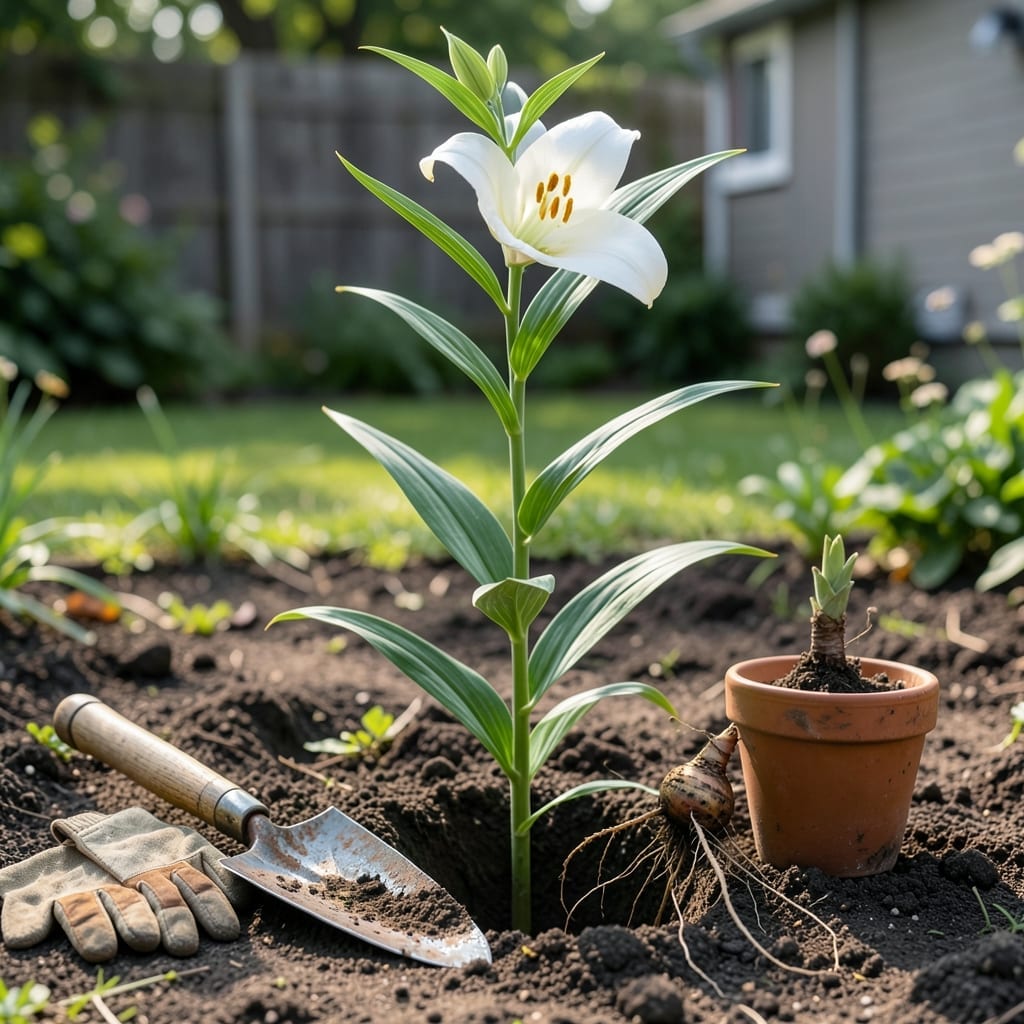
Timing is everything when it comes to moving your 🌷 Lilies. Choose the wrong moment, and you risk stressing these beauties, stunting their growth, and missing out on those stunning summer blooms we all love.
I’ve learned the hard way that early spring or early fall offers the best windows. These seasons give your Lilies the chance to establish roots before the heat of summer or the chill of winter sets in.
Let me share how to pick the perfect moment and set your Lilies up for success. Your garden will thank you.


Timing your lily transplant can make or break their performance. I’ve found that early spring or early fall are the golden windows. These periods align with the plant’s natural dormancy cycles, reducing stress and promoting root establishment.
In early spring, aim for March to April, just as the soil begins to warm but before new growth emerges. This gives your lilies a head start to settle in before the summer heat kicks in.
| Season | Best Months | Key Benefit |
|---|---|---|
| Early Spring | March, April | Cool temps, moist soil |
| Early Fall | September, October | Post-bloom dormancy |
For fall transplanting, September to October is ideal, right after the lilies finish blooming. The soil is still warm, which encourages root growth before winter dormancy sets in.
If you’re in a warmer climate, you might push fall transplanting into November, but avoid waiting too long. The goal is to give roots 4-6 weeks to establish before the first frost.
Soil temperature matters too. Aim for 50-60°F at a depth of 6 inches. This range is perfect for root development without shocking the plant.
I always check the weather forecast before transplanting. Avoid periods of extreme heat or heavy rain. A stretch of mild, dry days is your best bet for a smooth transition.
Another tip: Water deeply a day before transplanting. This ensures the plant is well-hydrated and makes it easier to lift the root ball intact. Moist soil also helps the roots settle into their new home faster.
If your lilies are overcrowded, fall is the perfect time to divide them. I use a sharp garden fork to gently separate the bulbs, ensuring each new clump has 3-5 healthy scales for the best results.
Remember, mulching after transplanting helps retain moisture and insulate the roots. I like to add a 2-3 inch layer of organic mulch, such as shredded bark or straw, around the base of the plant.
With the right timing and care, your lilies will reward you with bigger blooms and healthier growth next season 🌷
Transplanting lilies doesn’t have to be stressful for you or the plants. I’ve refined my method over the years to ensure minimal root damage and quick recovery. The key is preparation and gentle handling.
Start by watering your lilies deeply 24 hours before transplanting. This softens the soil and helps the root ball stay intact when you lift it. Use a garden fork to carefully loosen the soil around the clump.
Once lifted, inspect the bulbs for health. Discard any that are soft, moldy, or damaged. Healthy bulbs should feel firm with no signs of rot. If dividing, use your hands to gently separate the bulbs.
When replanting, dig a hole twice as wide as the root ball but no deeper. Place the lily in the hole, ensuring the top of the bulb sits just below the soil surface. Backfill with native soil and press lightly to remove air pockets.
After transplanting, water deeply to help the roots make contact with the soil. I also add a 2-3 inch mulch layer to retain moisture and insulate the roots. Keep the soil consistently moist but not soggy for the first few weeks.
Avoid fertilizing immediately after transplanting. Wait 2-3 weeks to allow the roots to establish. Once new growth appears, you can resume a light feeding schedule with a balanced fertilizer to support recovery.
With this method, your lilies will bounce back quickly and reward you with vibrant blooms next season 🌷