
Beautiful Plants For Your Interior
Beautiful Plants For Your Interior
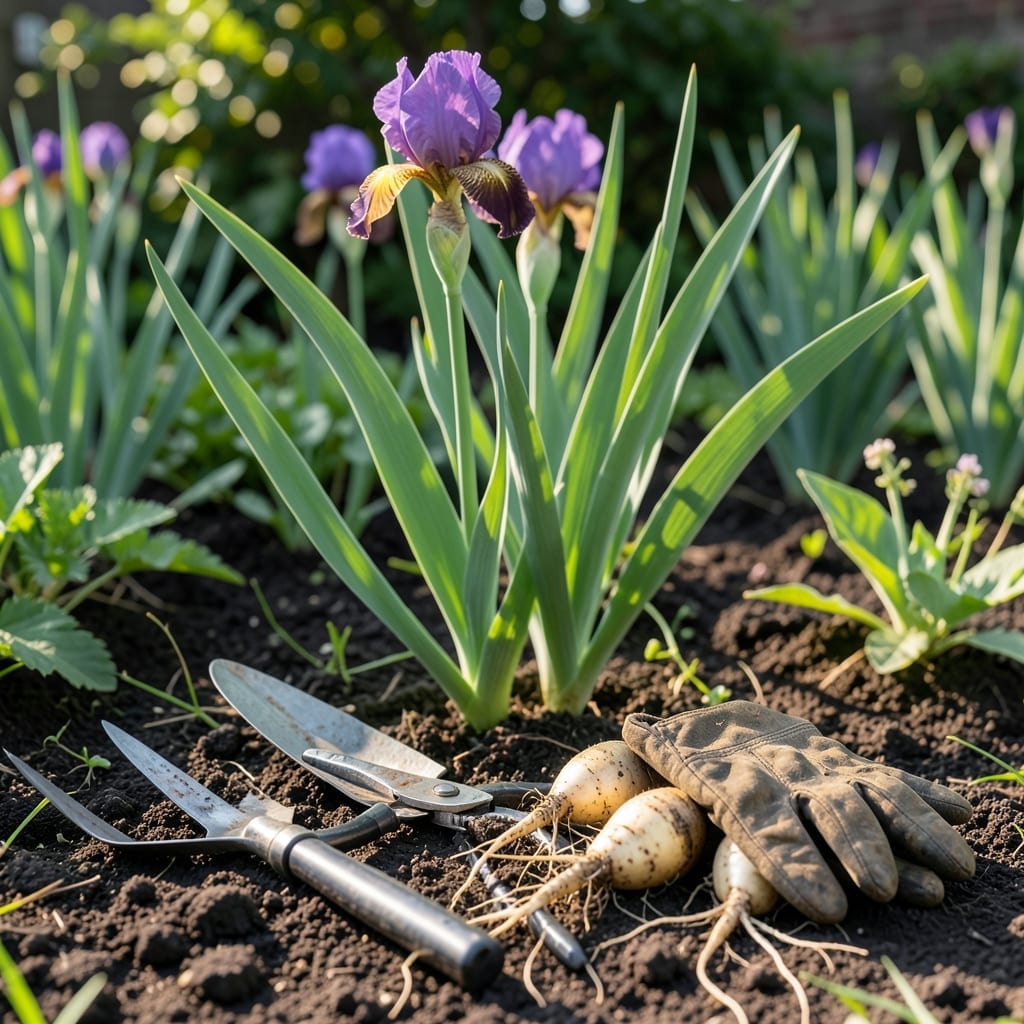
Knowing when to divide your Iris 🌸 can transform your garden from ordinary to extraordinary. Split them at the wrong time, and you risk stressing the plants; do it right, and you’ll be rewarded with healthier rhizomes and more vibrant blooms next season.
Timing is everything with these beauties. The ideal window comes when the plants are semi-dormant, giving them the best chance to establish before winter.
I’ll show you exactly when and how to split your Iris for thriving results, plus the signs that indicate it’s time to take action.
The best time to split iris is 6-8 weeks after blooming, when plants enter semi-dormancy. This window, typically July through September, allows rhizomes to recover before winter.
I’ve found that splitting during this period gives new divisions the best chance to establish roots before cold weather hits. The plants are less stressed and more receptive to relocation. 🌸
| Timing Factor | Ideal Condition |
| Best Months | July-September |
| Good Months | June, October |
| Plant State | Semi-dormant |
| Post-Bloom Window | 6-8 weeks after flowering |
| Weather | Cool, dry days |
Watch for these clear signs it’s time to divide: overcrowded clumps, reduced blooming, or center die-back. These indicate the rhizomes are competing for nutrients and space.
Late summer offers the perfect conditions—warm soil and cooler air temperatures. This combination encourages root establishment without the stress of extreme heat.
For northern climates, aim to finish splitting by early September. This gives plants 4-6 weeks to settle before the first frost.
In warmer zones, you can extend the window into early October. Just ensure the soil temperature stays above 40°F for root development.
I always check the rhizome health before splitting. Look for firm, plump rhizomes with visible bud eyes. Soft or mushy ones should be discarded.
Remember, splitting too early (right after blooming) can stress the plants, while too late dividing risks winter damage to new growth.
Avoid splitting during active growth or freezing conditions. Both scenarios can shock the plants and reduce next year’s blooms significantly. 🌿
Splitting iris rhizomes properly ensures healthy divisions and vibrant future blooms. I always start by preparing the plants a day before to reduce stress. 🌸
The first step is watering deeply 24 hours before splitting. This softens the soil and makes rhizome removal much easier on both you and the plants.
After separating, I inspect each rhizome closely. Discard any that are soft, rotten, or pest-damaged. Only the firm, healthy ones with visible bud eyes should be replanted.
When replanting, I ensure the top of the rhizome remains partially exposed to sunlight. This prevents rot issues and encourages proper growth.
Water lightly after planting, then deeply soak once a week for the first month. Avoid overwatering, as iris rhizomes prefer well-drained soil.
I’ve found that morning watering works best, allowing foliage to dry before evening. This simple step helps prevent fungal diseases that can harm your new divisions.
Finally, mulch lightly around plants to retain moisture but keep it away from rhizomes. This protects them while allowing proper air circulation. ✂️