
Beautiful Plants For Your Interior
Beautiful Plants For Your Interior
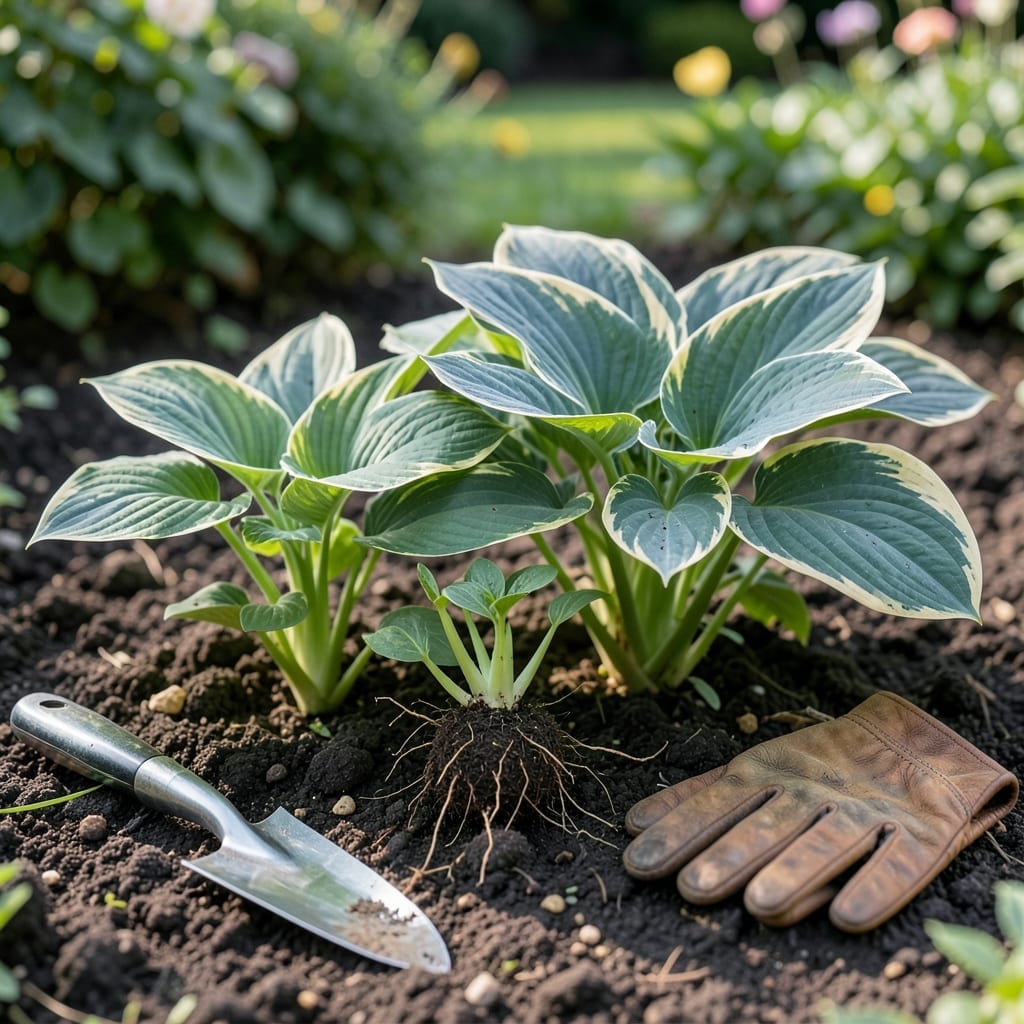
Replanting hostas at the right time can make all the difference in their growth and vitality. I’ve learned that timing is the key to helping these shade-loving perennials thrive, whether you’re dividing clumps or moving them to a new spot.
The 🌿 Hosta does best when replanted during cooler seasons, giving roots a chance to establish without stress. This simple step can transform your garden from struggling to stunning.
Let me show you exactly when and how to do it for stronger, healthier plants. You’ll be amazed at the difference it makes.
Choosing the right season to replant hostas ensures they establish strong roots without stress. I always aim for early spring or early fall when temperatures are mild. This timing helps minimize transplant shock and gives plants the best start.
In early spring, replant just as the soil becomes workable but before new growth emerges. In early fall, aim for at least 4-6 weeks before the first frost. This allows roots to settle in before winter dormancy.
| Season | Ideal Months | Key Benefit |
|---|---|---|
| Early Spring | March, April | Cool temps reduce stress |
| Early Fall | September, October | Roots establish before frost |
| Avoid | Summer, Winter | Heat or frost damages roots |
For warmer climates, you can stretch the window into late winter or late fall. However, always check that the soil is workable and not frozen or waterlogged. Hostas prefer moist but well-drained soil during this transition.
In cold climates, stick to early spring as soon as the ground thaws. This gives hostas the entire growing season to recover. If replanting in fall, ensure it’s done 6 weeks before the first frost to avoid winter damage.
Avoid replanting during summer heat or winter freezes. Extreme temperatures can stress the plant, leading to poor establishment or even death. I’ve seen hostas struggle when moved in July or August due to heat stress.
The soil temperature should ideally be between 50-60°F for best results. At this range, roots grow actively without the risk of shock. Use a soil thermometer to check if you’re unsure.
Another tip: replant on a cloudy day or in the early morning to reduce moisture loss. This small step can make a big difference in how quickly your hostas recover and start thriving in their new location.
If you’re dividing hostas, early spring is perfect because the plant is just coming out of dormancy. The energy reserves in the roots help the divisions recover faster. Just be gentle with the roots to avoid unnecessary damage.
Finally, water your hostas thoroughly after replanting and keep the soil consistently moist for the first few weeks. This encourages root growth and helps the plant settle into its new home with minimal stress 🌿
Following a simple process ensures your hostas thrive after replanting. I start by preparing the new planting hole before digging up the plant. This minimizes root exposure and stress.
First, water the hosta thoroughly the day before to loosen the soil. Then, dig a hole twice as wide as the root ball and just as deep. This gives roots room to spread without sinking.
When digging up the hosta, use a sharp spade to cut a wide circle around the plant. Lift it gently to avoid breaking the root ball. If dividing, separate clumps with your hands or a clean knife.
Replant at the same depth it was growing before. Planting too deep can cause crown rot, while too shallow exposes roots. Press the soil firmly around the base to remove air pockets.
After planting, water deeply to help the soil settle. Keep the area consistently moist for the first 2-3 weeks. Avoid fertilizing immediately, as this can stress the plant.
Finally, apply a 2-3 inch layer of mulch to retain moisture and suppress weeds. Keep mulch away from the crown to prevent rot. Your hostas will reward you with lush growth 🌿