
Beautiful Plants For Your Interior
Beautiful Plants For Your Interior
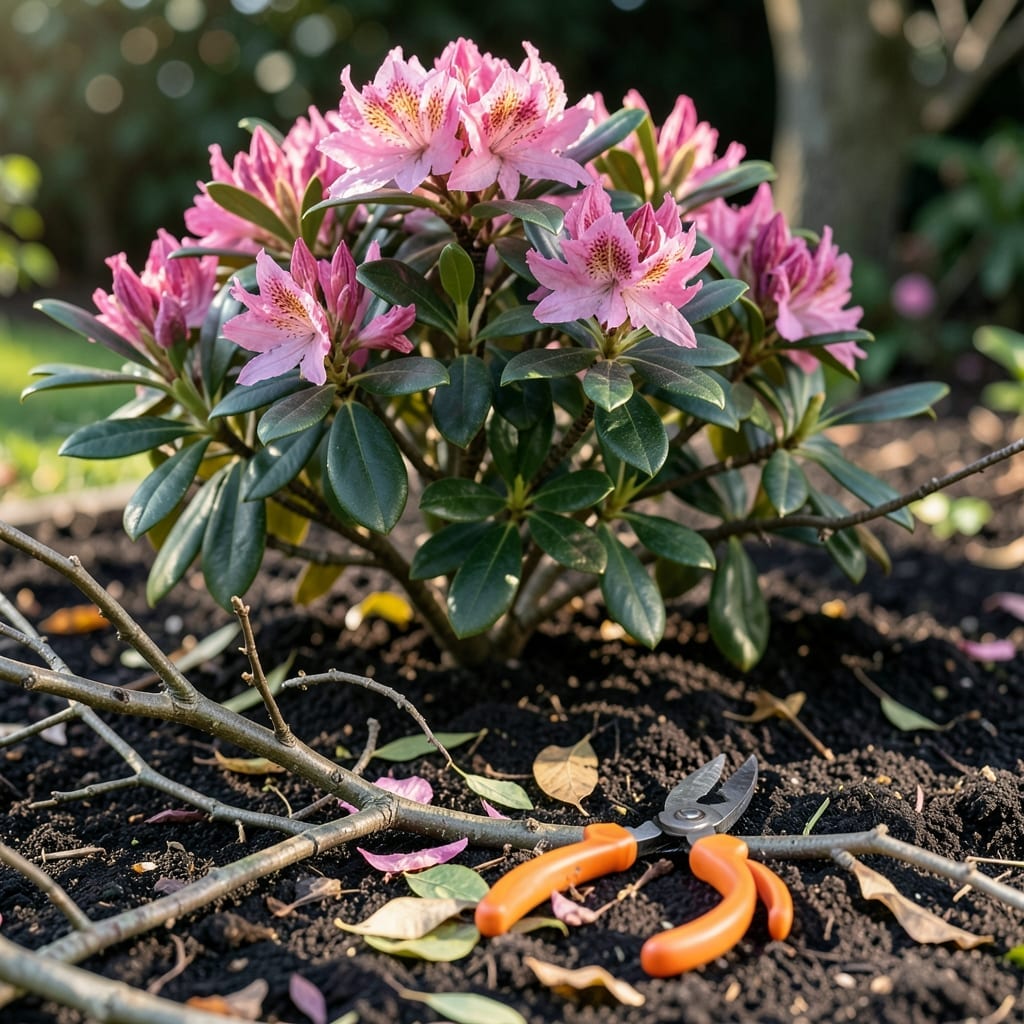
Pruning your 🌸 Rhododendron at the wrong time can stall its growth or even cost you next year’s blooms. Timing is everything for these vibrant shrubs.
I’ve learned that mastering this simple skill ensures healthier plants and more spectacular flowers. It’s not about working harder—it’s about working smarter.
Discover when to make those crucial cuts and why late spring is the game-changer for your garden’s star performer.
I’ve found that timing your rhododendron pruning perfectly makes all the difference. These flowering shrubs set their next year’s buds in late summer, so cutting them at the wrong time can cost you those gorgeous blooms.
The optimal window is right after they finish flowering in late spring. This gives your plant time to recover and set new buds before the growing season ends.
| Season | Pruning Suitability | Reason |
|---|---|---|
| Late Spring | ✅ Best | After blooming, before new buds form |
| Early Summer | ⚠️ Acceptable | If missed late spring window |
| Fall/Winter | ❌ Avoid | Removes next year’s flower buds |
In my experience, April through May is ideal for most USDA zones. The plant is actively growing, which helps it heal faster from pruning cuts while avoiding stress during dormant periods.
I always check for spent flower clusters as my signal. Once these start to fade and drop, it’s time to get out the pruning shears. This timing ensures you won’t accidentally remove the new growth that will become next year’s flowers.
For cold climates in zones 4-5, you might need to prune a bit earlier, while warmer zones 8-9 can sometimes extend into early summer. The key is watching your plant’s flowering cycle, not just the calendar.
Light pruning for shaping can be done almost anytime except late summer through winter. But for major cuts to control size or rejuvenate an older shrub, stick to that post-bloom window.
I’ve seen gardeners make the mistake of pruning in fall because the plant looks overgrown. But this removes the flower buds that have already formed for next spring, leaving you with a bloomless rhododendron when warmer weather returns.
Remember that rhododendrons have a unique growth pattern. Their flower buds form on old wood from the previous year, which is why timing is so crucial. Prune too late and you’ll be cutting off potential blooms.
After pruning, I give my shrubs a light feeding with an acid-loving plant fertilizer to support new growth. This helps the plant recover and put energy into developing those new flower buds for next season. ✂️
I always start by selecting the right tools for the job. Use sharp bypass pruners for clean cuts that heal quickly. Dull tools can crush stems, leading to disease entry and slower recovery.
My first step is to remove any dead or diseased wood first. This improves airflow and prevents issues from spreading. Then I look for crossing branches that might rub together and cause damage.
When making cuts, I aim for a 45-degree angle about 1/4 inch above a growth node. This helps water run off and prevents rot while encouraging new growth in the right direction.
For larger branches, I use lopping shears and make a three-cut method to prevent bark tearing. First, I make an undercut, then a top cut to remove the branch, and finally clean up the stub.
I focus on opening up the center of the shrub to improve air circulation. This helps prevent fungal diseases that rhododendrons can be susceptible to, especially in humid climates.
After pruning, I always water deeply to help the plant recover. I also apply a 2-3 inch layer of mulch around the base, keeping it away from the trunk to prevent rot.
Remember that rhododendrons respond best to gradual shaping rather than drastic cuts. If you need to reduce size significantly, spread it over 2-3 years to avoid stressing the plant. ✂️