
Beautiful Plants For Your Interior
Beautiful Plants For Your Interior
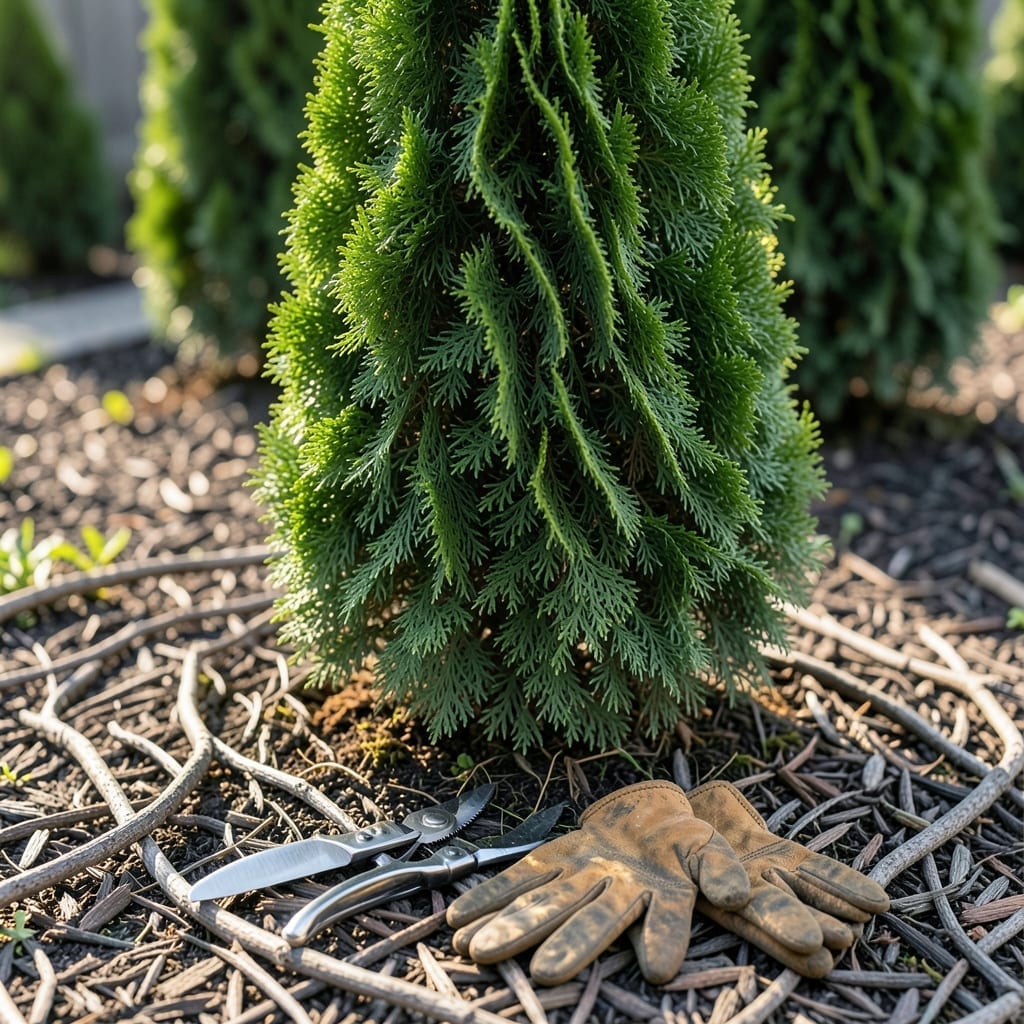
Pruning your 🌳 Arborvitae at the wrong time can stunt its growth or even cause permanent damage. Timing is everything when it comes to maintaining these evergreen shrubs.
I’ve seen too many gardeners make the mistake of trimming during the wrong season. The result? Stress, disease, or uneven growth that takes years to correct.
Discover the best windows to prune for lush, healthy foliage all year. Your Arborvitae will thank you with vibrant, dense branches.
Timing your arborvitae pruning correctly ensures vibrant, healthy growth. I’ve learned that late winter to early spring is ideal, just before new growth starts. This timing allows the plant to recover quickly.
The best window is typically March to April, but this can vary slightly based on your USDA zone. Pruning during this period minimizes stress and encourages dense, lush foliage.
| Pruning Window | Season | Key Benefit |
| Late Winter | February | Preps for spring growth |
| Early Spring | March-April | Fastest recovery |
| Late Summer | August | Corrects summer growth |
Pruning in late winter helps remove any dead or damaged branches before the growing season. This gives your arborvitae a clean start for spring. I always check for diseased wood during this time.
Early spring pruning is my top recommendation because the plant is coming out of dormancy. The wounds heal faster, reducing the risk of disease or pests entering the cuts.
Avoid pruning during active growth phases in late spring or early summer. This can lead to uneven growth and stress the plant. I’ve seen arborvitae struggle to recover when trimmed at the wrong time.
If you miss the spring window, a light trim in late summer can help shape the plant. However, avoid heavy pruning then, as it may not have enough time to recover before winter.
Always use sharp, clean tools to make precise cuts. I prefer bypass pruners for smaller branches and a pruning saw for thicker ones. This ensures a clean cut that heals quickly.
After pruning, I recommend watering deeply to help the plant recover. A layer of mulch around the base can also protect the roots and retain moisture during the healing process.
Remember, arborvitae don’t regrow from old wood. Always prune within the green growth to encourage dense foliage. This is a common mistake I see gardeners make, leading to bare spots. ✂️
Pruning your arborvitae during winter dormancy is a common mistake I see. The plant can’t heal properly in cold weather, leaving it vulnerable to disease and pests. Always avoid this timing.
Another critical period to skip is extreme summer heat. Pruning during high temperatures stresses the plant, causing brown patches or stunted growth. I’ve learned this lesson the hard way.
Avoid These Pruning Times
Pruning during winter dormancy or summer heatwaves can permanently damage your arborvitae. Stick to late winter or early spring for best results.
Pruning during wet conditions can spread fungal diseases. I always check the weather forecast and wait for a dry day. This simple step prevents many common problems.
Never remove more than 1/3 of the plant in a single pruning session. Over-pruning shocks the arborvitae and can lead to permanent bare spots. I follow this rule strictly.
Watch for signs of stress like yellowing foliage or slow growth. These often indicate poor timing or improper technique. Adjust your approach if you notice these warnings.
Finally, avoid pruning newly planted arborvitae for at least a year. Let it establish roots first. I’ve found this patience pays off with stronger, healthier plants. ✂️