
Beautiful Plants For Your Interior
Beautiful Plants For Your Interior
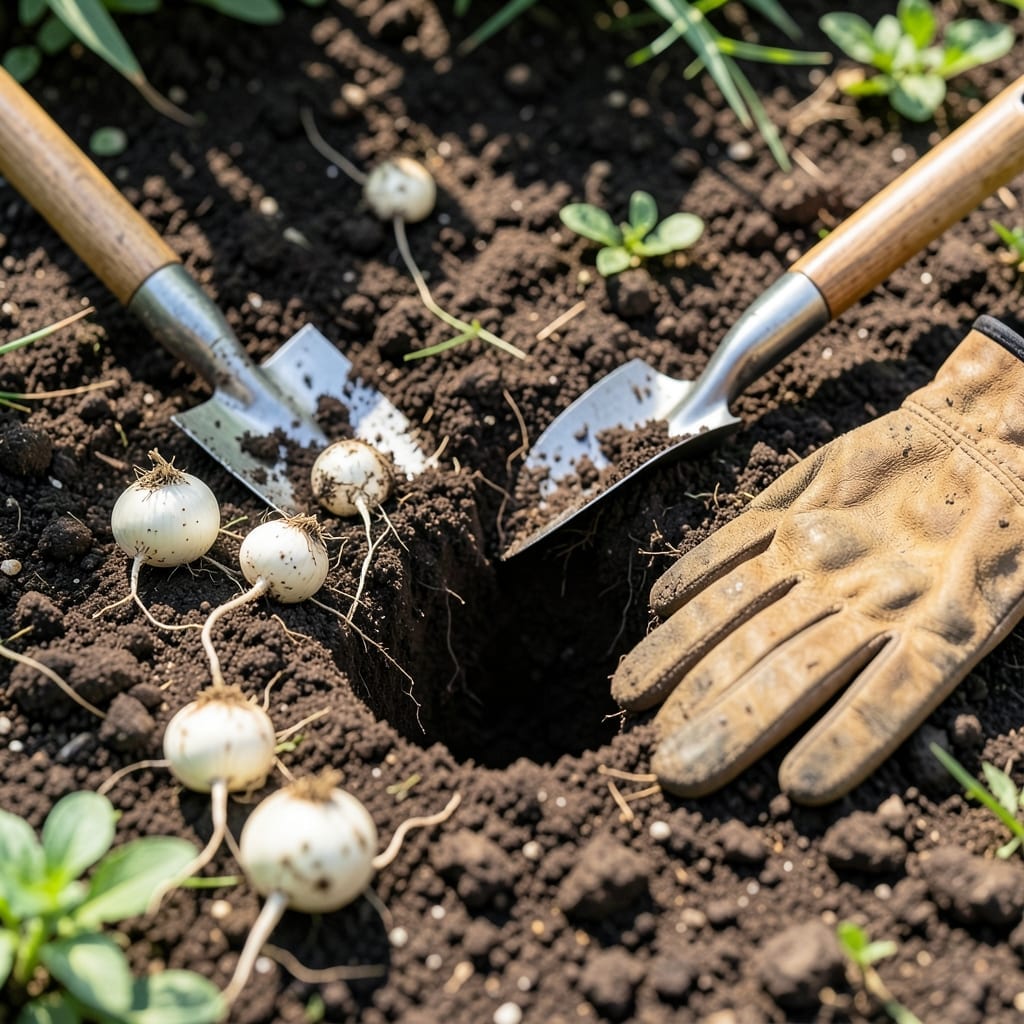
Timing is everything when it comes to planting Lilies 🌷. Plant them too early or too late, and you risk poor growth or missed blooms.
I’ve learned from experience that getting the season right makes all the difference. Whether you’re in zone 6 or elsewhere, there’s a sweet spot that ensures vibrant flowers.
Discover the ideal window to plant your bulbs and watch them thrive with minimal effort. Let me show you exactly when to start.
Getting the timing right for planting lily bulbs can make or break your garden’s summer display. I’ve seen firsthand how fall planting gives bulbs time to establish roots before winter dormancy.
In most USDA zones 4-7, the ideal window is September to October, when soil temperatures stay above 60°F but aren’t scorching. This allows for strong root development before the ground freezes. 🌷
| USDA Zone | Planting Window | Soil Temp | Notes |
|---|---|---|---|
| 3-4 | Aug-Sept | 60-65°F | Early planting avoids frost |
| 5-6 | Sept-Oct | 60°F+ | Ideal for most varieties |
| 7-8 | Oct-Nov | 65°F+ | Spring planting possible |
| 9+ | Nov-Dec | 70°F+ | Refrigerate bulbs first |
For warmer zones 8-10, you can plant in late fall or even early winter, but bulbs may need a cold treatment (8-10 weeks at 35-45°F) to trigger spring blooming. I recommend using a refrigerator for this if winters are mild.
Spring planting works in colder climates if you missed fall, but bulbs may produce weaker stems and fewer flowers the first year. If you go this route, plant as soon as the soil is workable—usually March to April. ☀️
Asiatic lilies and Oriental hybrids prefer fall planting, while tiger lilies are more forgiving. Always check the specific variety for its preferences. I’ve had great success with ‘Stargazer’ lilies planted in October.
The soil temperature is more important than air temperature. Use a soil thermometer to confirm it’s above 60°F at planting depth (4-6 inches). This ensures bulbs start growing roots immediately rather than sitting dormant.
If you’re in a region with harsh winters, add a 2-3 inch layer of mulch after planting to insulate the soil. In mild climates, mulch helps retain moisture but isn’t as critical for protection. I use straw or shredded leaves for my lily beds.
For container planting, the rules are similar, but you can start bulbs indoors in late winter for a head start. Just be sure to harden them off before moving outside. This method works well for potted lilies on patios.
Remember, well-draining soil is non-negotiable. Lilies hate wet feet, so amend heavy clay with compost or sand before planting. I always test drainage by digging a 1-foot hole and filling it with water—if it drains in under an hour, you’re good to go. 🌱
Planting lily bulbs at the perfect time is just the start. I’ve found that soil preparation and proper spacing are equally crucial for healthy growth. Begin by choosing a sunny location with well-draining soil. 🌷
Loosen the soil to a depth of 12-15 inches and mix in compost or aged manure to improve fertility. This gives the bulbs a nutrient-rich environment to establish strong roots quickly.
For fall planting, I always add a layer of mulch to protect bulbs from winter frost. In spring planting, water more frequently since the weather is warmer and drier. Both seasons require consistent moisture without waterlogging. ☀️
After planting, monitor soil moisture weekly. Lilies need about 1 inch of water per week, either from rainfall or irrigation. I use a rain gauge to track precipitation and supplement as needed.
Fertilize lightly at planting time with a balanced 5-10-10 fertilizer. Avoid high-nitrogen fertilizers, as they promote leaf growth at the expense of flowers. I prefer organic options like bone meal for a slow-release nutrient boost.
Finally, be patient. Lily bulbs may take a season to establish, but with proper timing and care, they’ll reward you with stunning blooms for years. I’ve seen my lilies thrive with this approach, and I’m confident you will too. 🌱