
Beautiful Plants For Your Interior
Beautiful Plants For Your Interior
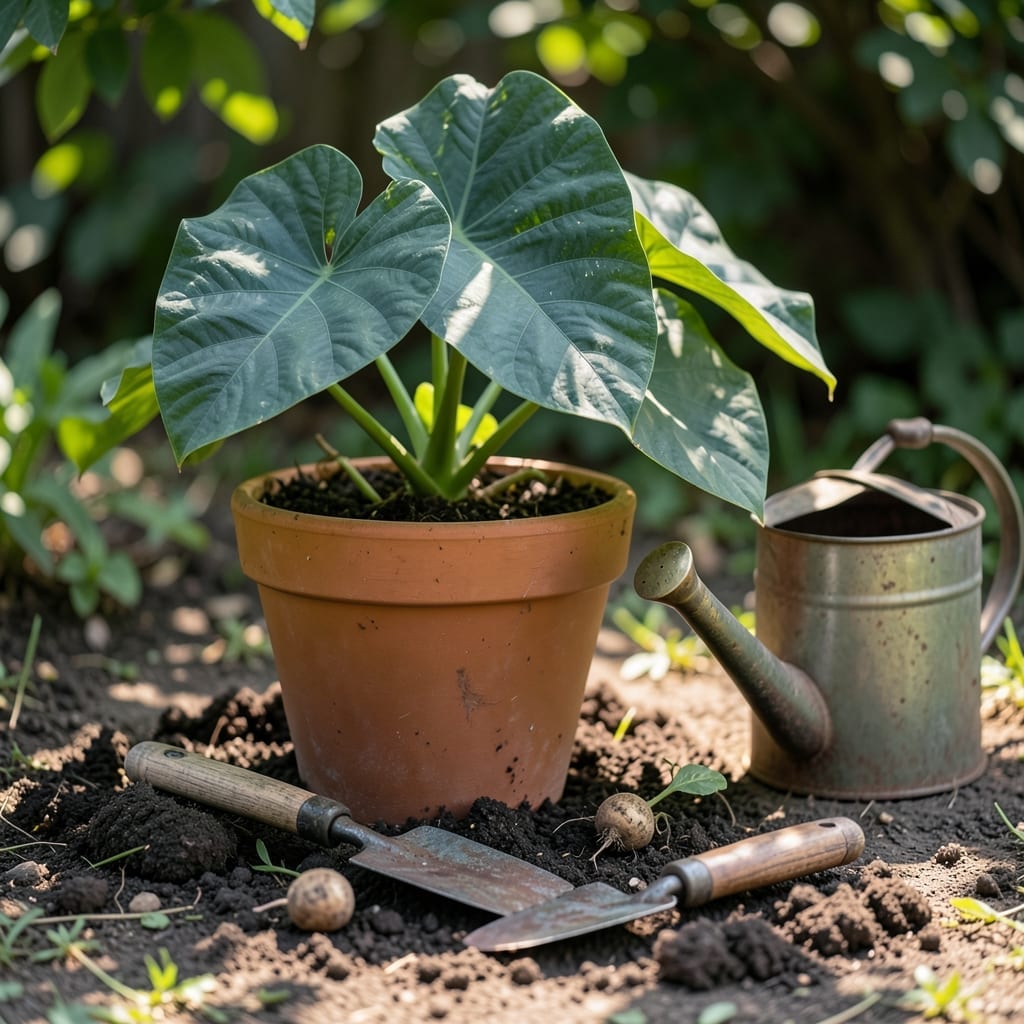
Timing is everything when planting 🌿 Elephant Ear—these tropical beauties thrive when the soil is warm and frost is a distant memory. Get it right, and you’ll enjoy lush, dramatic foliage all season long.
In Zone 6, the sweet spot is April to May, when nighttime temperatures stay above 50°F. Plant too early, and cold soil can stunt growth or rot tubers.
Discover how to read the signs your garden is ready and avoid the most common mistakes that derail new plantings. Let’s set your Elephant Ears up for success.
Elephant ears are tropical plants that demand warmth to thrive. I’ve found they grow best when soil temperatures hit at least 60°F, which usually happens weeks after the last frost.
In Zone 6, my go-to window is mid-April to May, once nighttime temps stay above 50°F. Further south, like Zone 9, you can start as early as March for a head start. 🌱
| USDA Zone | Planting Window | Soil Temp | Frost-Free Date |
|---|---|---|---|
| Zones 3-4 | Late May–June | 60°F+ | After May 15 |
| Zones 5-6 | Mid-April–May | 60°F+ | After April 15 |
| Zones 7-8 | March–April | 60°F+ | After March 15 |
| Zones 9-11 | February–March | 60°F+ | Year-round |
For Zone 7-8 gardeners, March to April is prime time. The soil warms faster here, and you’ll see faster emergence with less risk of cold snaps.
In Zones 9-11, you can plant as early as February. These regions rarely see frost, so elephant ears can go in the ground almost year-round. ☀️
If you’re in Zone 3-4, wait until late May or June. Cold soil is the enemy here—planting too early can cause tuber rot or stunted growth.
I always check the 10-day forecast before planting. A late frost can wipe out young shoots, so I hold off until I’m confident the cold is gone for good.
Soil prep matters too. I amend my beds with compost and ensure good drainage. Elephant ears hate soggy roots, so well-draining soil is a must.
For container planting, I start tubers indoors 4-6 weeks before the last frost. This gives them a head start, and I can transplant them outside once the weather warms.
Remember, microclimates matter. A south-facing wall or urban heat island can warm the soil faster, letting you plant a week or two earlier than the general zone guidelines. 🌿
Before planting, I check for key indicators that conditions are perfect. Elephant ears need warm soil and stable temps to avoid shock. Here’s how I confirm it’s time. 🌱
First, I use a soil thermometer to verify temps are at least 60°F at planting depth. Cold soil can delay sprouting or cause tuber rot.
Next, I monitor nighttime temperatures. If they dip below 50°F, I wait. These tropical plants can’t handle cold nights, even if days are warm. ✂️
I also inspect the tubers themselves. Healthy ones feel firm and plump, not shriveled or mushy. If they’ve started sprouting small shoots, that’s a great sign they’re ready.
Finally, I check the 10-day forecast for any late cold snaps. Even in Zone 7, a surprise frost can set back new growth. Patience pays off with bigger, stronger plants.
If you’re starting tubers in containers indoors, watch for 2-3″ sprouts before hardening off. This method lets me get a 4-6 week head start on the season. 🌿