
Beautiful Plants For Your Interior
Beautiful Plants For Your Interior
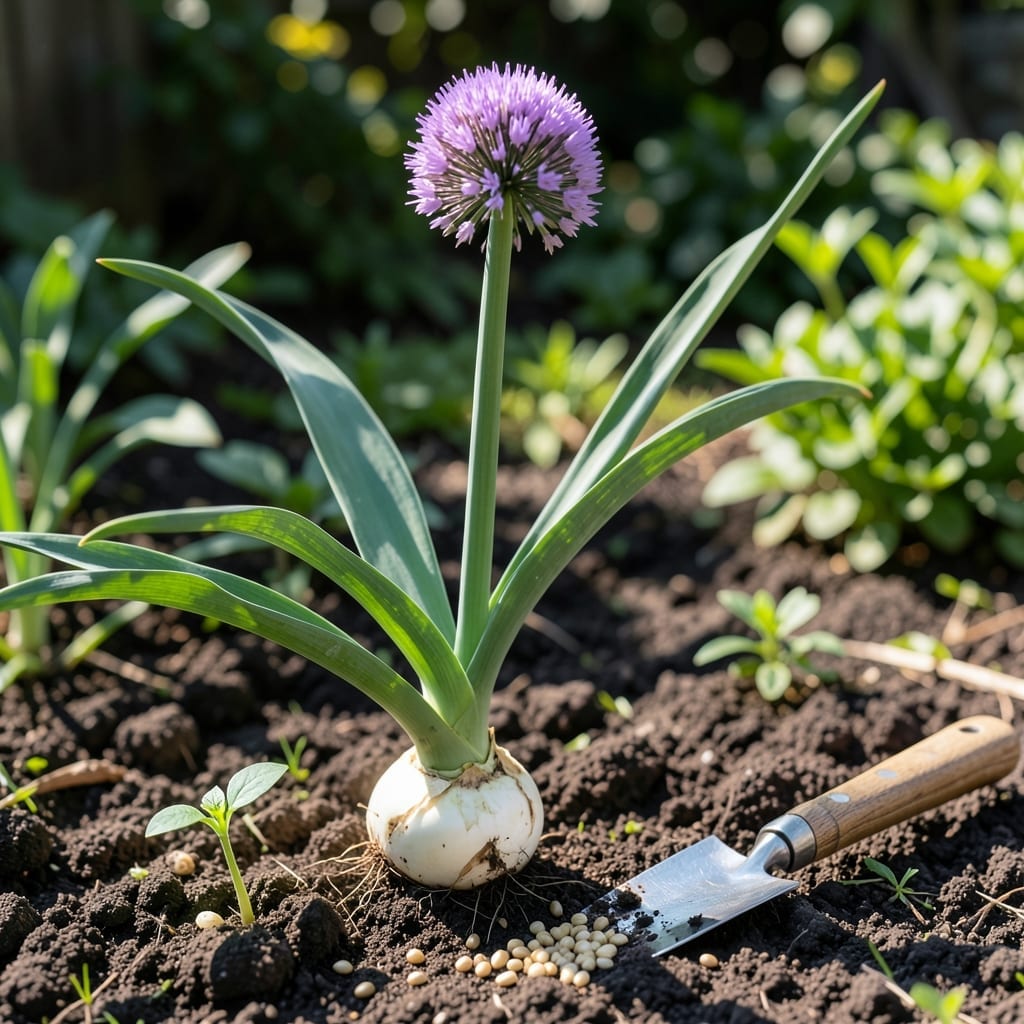
Alliums bring dramatic, globe-shaped blooms to any garden, but timing your planting wrong can mean weak growth or no flowers at all.
I’ve seen too many gardeners plant their 🧅 Allium bulbs at the wrong time, only to be disappointed when spring arrives. The good news? There’s a simple window that nearly guarantees success.
Discover the ideal months to get these beauties in the ground for vibrant, healthy blooms. It’s easier than you think once you know the secret.
Let me walk you through the best approach so you can enjoy those stunning purple globes year after year. You’ll be amazed at the difference the right timing makes.


I’ve found that allium bulbs thrive when planted at the right time for your climate zone. The key is to give them enough time to establish roots before winter or summer heat arrives.
For most gardeners, fall planting is ideal, but timing varies by region. In colder zones, I aim for September to October, while warmer areas can push planting into November or December.
| Climate Zone | Best Planting Time | Notes |
|---|---|---|
| Cold (Zones 1-4) | Late September to early October | Plant 4-6 weeks before ground freezes |
| Temperate (Zones 5-7) | October to November | Ideal for root establishment before winter |
| Warm (Zones 8-10) | November to December | Avoid summer heat; plant in cooler months |
In cold climates, I always plant alliums at least 4-6 weeks before the first frost. This gives the bulbs time to develop a strong root system before the ground freezes.
For temperate zones, October is my go-to month. The soil is still warm enough for root growth, but the air is cool, which prevents premature sprouting.
Gardeners in warm climates can plant alliums later. I’ve had success planting in November or December, as the bulbs need a period of cool dormancy to thrive.
If you’re in a region with mild winters, you might even get away with planting in early spring. However, I’ve noticed that fall-planted bulbs tend to produce stronger stems and more vibrant blooms.
Always check your local frost dates and soil temperature. I use a soil thermometer to ensure the ground is at least 60°F when planting. This helps the bulbs establish quickly.
Remember, alliums prefer well-draining soil. If your garden has heavy clay, I recommend amending it with compost or planting in raised beds to prevent waterlogging.
Finally, spacing matters. I plant bulbs 8-12 inches apart for smaller varieties and up to 18 inches for giant alliums. This ensures good air circulation and reduces disease risk.
With the right timing and care, your alliums will reward you with stunning, globe-shaped blooms year after year 🌷
Planting allium bulbs correctly sets the stage for spectacular blooms next season. I always start by choosing a sunny location with well-draining soil to prevent bulb rot and encourage strong growth.
Timing is everything—aim to plant 4-6 weeks before the first frost in fall for most zones. This gives roots time to establish before winter dormancy, ensuring vibrant spring flowers. 🌱
Before planting, I loosen the soil to 12 inches deep and mix in organic compost for nutrients. This step improves drainage and provides the fertile base alliums love for thriving.
Place each bulb pointy-side up in the hole, then cover with soil. Firm the surface gently to remove air pockets, but avoid compacting too much. Proper depth is key—too shallow and bulbs may freeze or dry out.
After planting, I water thoroughly to settle the soil and encourage root growth. A 2-inch layer of mulch helps retain moisture and protects bulbs from temperature swings during winter.
Finally, mark the planting area to avoid disturbing bulbs during spring gardening. With these steps, you’ll enjoy dramatic, globe-shaped blooms that return year after year. 🌿