
Beautiful Plants For Your Interior
Beautiful Plants For Your Interior
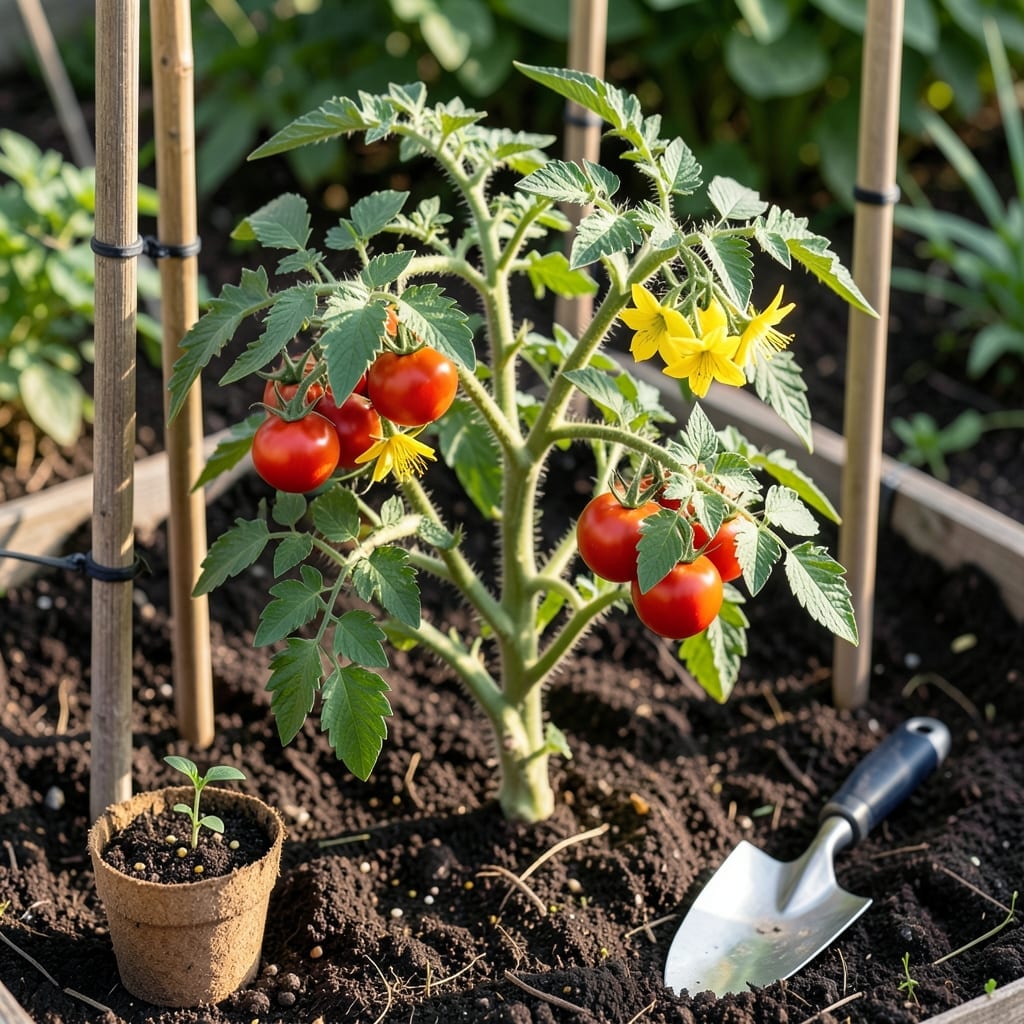
Timing is everything when growing Tomato 🍅 in Florida’s unique climate. Plant too early or too late, and you risk heat stress, disease, or poor yields.
Discover the perfect windows for thriving plants in the Sunshine State. Whether you’re in North, Central, or South Florida, getting this right makes all the difference.
I’ll share the key insights to help you time your planting for the healthiest harvests. Let’s dig into what works best for your region.

Florida’s unique climate offers two prime windows for tomato planting. The spring season runs from February to March, while the fall season spans August to September. Both avoid the extreme summer heat that stunts growth.
In North Florida, watch for late frosts that can damage young plants. Central Florida enjoys milder winters, but summer humidity brings disease risks. South Florida can plant nearly year-round, though summer heat remains a challenge.
| Season | Planting Months | Harvest Window | Key Considerations |
|---|---|---|---|
| Spring | Feb–Mar | May–June | Avoid late frosts in North FL |
| Fall | Aug–Sep | Oct–Nov | Beat summer heat and humidity |
The spring planting window is ideal for North and Central Florida. Start seeds indoors 6–8 weeks before the last frost date, then transplant when soil reaches 60°F. This ensures strong root development before summer heat arrives.
For fall planting, begin seeds in July for an August transplant. This timing helps plants mature before cool weather slows growth. South Florida gardeners can extend this window into early October.
Summer planting is risky due to heat stress and disease pressure. Tomatoes struggle when temps exceed 90°F consistently. If you must plant, choose heat-tolerant varieties like ‘Solar Fire’ or ‘Heatmaster’.
Soil temperature is critical. Use a soil thermometer to confirm it’s at least 60°F before planting. Cool soils delay germination and stunt growth, especially in early spring or late fall.
In South Florida, the fall season often yields the best results. Cooler nights and reduced humidity lower fungal disease risks. Plus, plants avoid the intense summer storms that can damage vines.
For North Florida, spring planting is the safer bet. The fall window is shorter due to earlier frosts. Use row covers to protect plants from unexpected cold snaps in October or November.
No matter the region, consistent watering and mulching help plants thrive. Aim for 1–2 inches of water weekly, and mulch to retain moisture and suppress weeds.
Not all tomato varieties thrive equally in Florida’s climate. I’ve found heat-tolerant types like ‘Solar Fire’ and ‘Heatmaster’ perform best during summer edges. These handle high humidity and temps better than standard varieties.
For determinate tomatoes, which grow to a fixed size, plant in early spring or late summer. They mature faster, making them ideal for North Florida’s shorter fall season. ‘Celebrity’ and ‘Roma’ are reliable choices for this region.
| Variety | Type | Best Regions | Planting Window |
|---|---|---|---|
| Solar Fire | Indeterminate | All Florida | Feb–Mar, Aug–Sep |
| Heatmaster | Indeterminate | Central, South | Mar, Aug–Sep |
| Celebrity | Determinate | North, Central | Feb–Mar |
In Central Florida, indeterminate varieties like ‘Solar Fire’ shine. They produce fruit continuously, which is perfect for the longer growing seasons here. Just ensure they have strong supports for their vining growth habit.
South Florida gardeners can experiment with cherry tomatoes like ‘Sweet 100’ or ‘Sun Gold’. These smaller fruits handle heat and humidity well and produce abundantly in fall plantings.
For early spring starts, I recommend transplanting seedlings rather than direct sowing. This gives plants a head start before summer heat or winter frosts become an issue. Use biodegradable pots to minimize transplant shock.
Always match your variety choice to your region’s strengths. Heat-tolerant types are non-negotiable for summer-adjacent plantings, while cool-season varieties work better for North Florida’s spring window. 🌱