
Beautiful Plants For Your Interior
Beautiful Plants For Your Interior
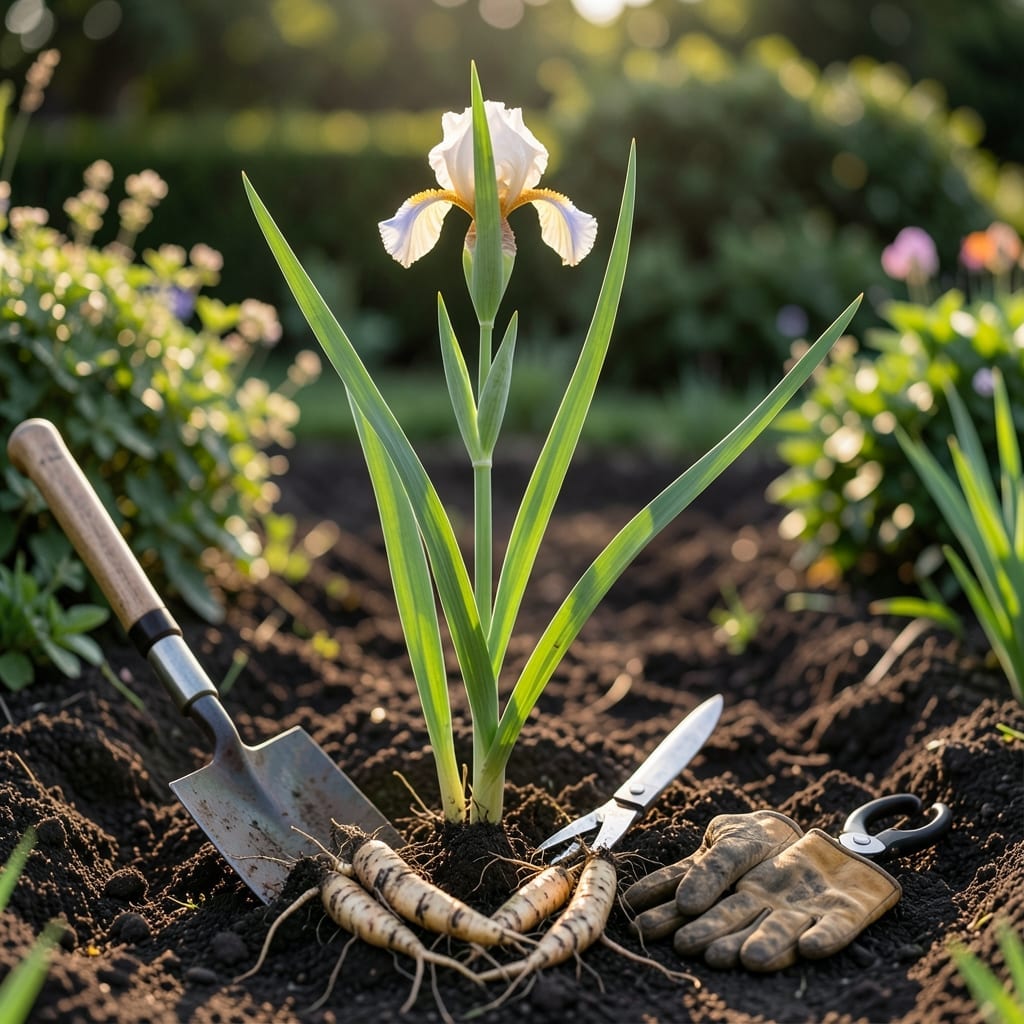
Your iris bed isn’t looking as vibrant as it used to, and you’re wondering if it’s time for a change. That crowded clump of 🌸 Iris rhizomes might be begging for division to restore its former glory.
I’ve seen firsthand how the right timing can transform lackluster blooms into a spectacular display. The window between July and September is when these hardy perennials respond best to division.
Whether you’re in zone 3 or 9, this is your opportunity to rejuvenate your garden. The process is simpler than you might think, and the results are absolutely worth it.
Let me walk you through the perfect timing and techniques that will have your irises thriving like never before. You’ll be amazed at the difference it makes.
If your iris bed looks overcrowded with fewer blooms, it’s likely time for division. I’ve found that late summer to early fall is the sweet spot for this task.
The ideal window falls between July and September, about 6-8 weeks after flowering. This is when the rhizomes are actively growing but not yet preparing for dormancy.
| Requirement | Specification |
|---|---|
| Best Months | July-September |
| USDA Zones | 3-9 |
| Key Sign | 6-8 weeks post-bloom |
| Soil Condition | Well-draining |
| Sunlight | Full sun (6+ hours) |
In cooler climates like zone 3-5, aim for late July through August. This gives the new divisions enough time to establish roots before winter.
For warmer zones 6-9, you can stretch the window into early September. The soil stays warm longer, helping rhizomes recover faster after division.
Watch for visual cues from your plants. When the center of the clump stops producing blooms or leaves look sparse, it’s a clear sign your irises need dividing.
I always check the rhizome size too. Healthy ones should be firm and plump, about the size of a sausage. Smaller or shriveled rhizomes indicate it’s time to divide.
Avoid dividing during active blooming or in extreme heat. The stress can shock the plants and reduce next year’s flowers. Early morning is the best time of day for this task.
After dividing, give your irises consistent moisture for the first 2-3 weeks. This helps the new roots establish. I’ve seen dramatic improvements in bloom quality the following spring.
Remember that bearded irises and Siberian irises have slightly different needs. Bearded types prefer the late summer division window, while Siberians can handle early fall division better.
Dividing iris rhizomes properly ensures healthy growth and vibrant blooms next season. I always start by preparing the new planting area first. This saves time and reduces stress on the plants.
Use a sharp garden fork or spade to carefully lift the entire clump from the soil. Gently shake off excess dirt to expose the rhizomes and roots. Be patient—this step is crucial for clean division.
Next, separate the rhizomes by hand or with a clean knife. Each division should have at least one fan of leaves and a portion of healthy roots. Discard any soft or diseased rhizomes to prevent issues.
Trim the leaf fans to about 6 inches to reduce water loss and stress. This also makes handling easier. I’ve found this step significantly improves the success rate of new divisions.
Replant the divisions immediately, spacing them 12-24 inches apart. Plant rhizomes shallowly, with the top partially exposed to sunlight. This prevents rot and encourages healthy growth.
Water the newly planted rhizomes deeply to settle the soil. Keep the soil consistently moist for the first 2-3 weeks, but avoid waterlogging. I’ve seen the best results with this approach.
Finally, mulch lightly around the plants to retain moisture. Avoid heavy mulch, as it can smother the rhizomes. With proper care, your divided irises will reward you with stronger blooms next year. ✂️