
Beautiful Plants For Your Interior
Beautiful Plants For Your Interior
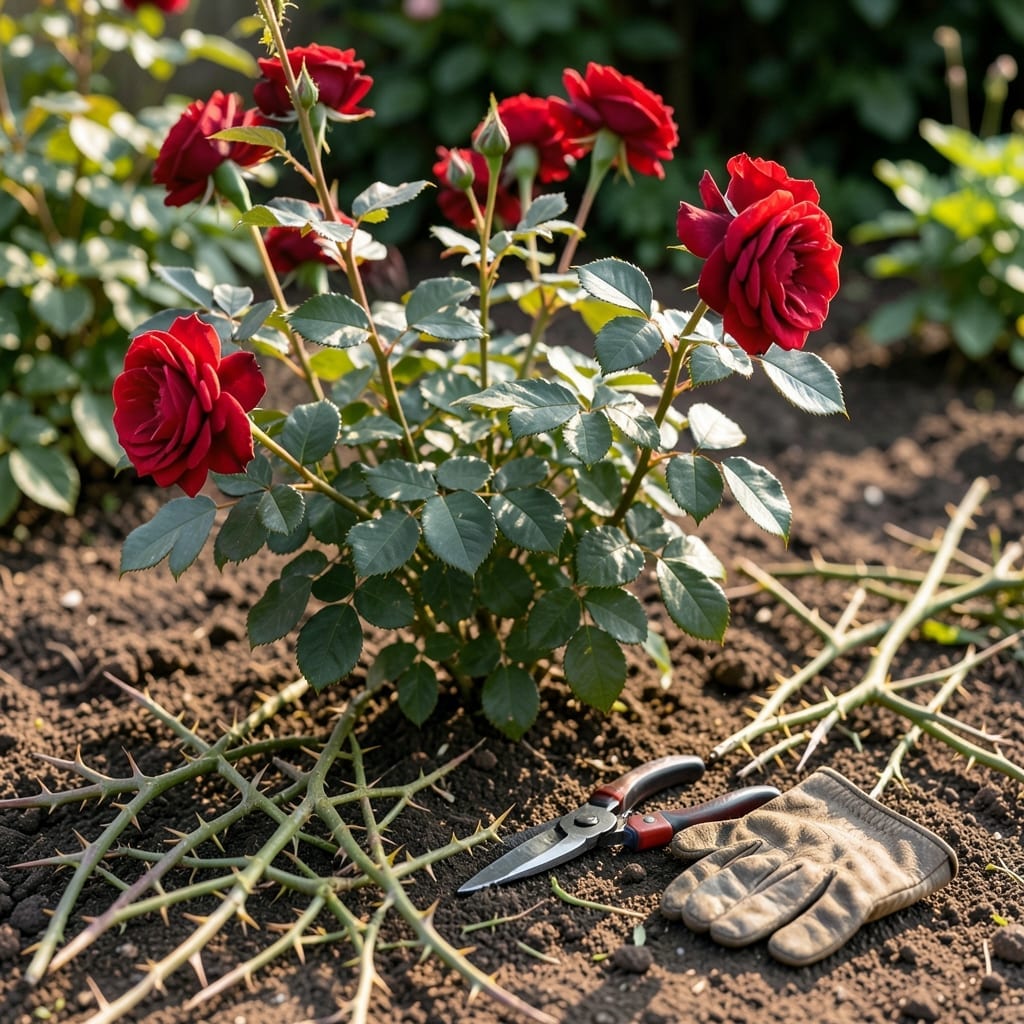
Pruning your 🌹 Rose at the right time can transform your garden from ordinary to extraordinary. I’ve seen firsthand how proper timing leads to healthier plants and more vibrant blooms.
Whether you’re a seasoned gardener or just starting out, understanding when to cut back your roses is the key to success. It’s not just about making cuts—it’s about making them at the right moment.
Let me share the seasonal secrets that will help your roses thrive. You’ll discover the perfect window for pruning and why it matters so much for your garden’s beauty.
Timing your rose pruning perfectly can make or break your blooming season. I always remind gardeners that the best time varies by rose type and climate zone.
The general rule is to prune just as new growth begins in late winter or early spring. This timing helps prevent winter damage while encouraging strong new growth.
| Rose Type | Best Pruning Time | Key Notes |
|---|---|---|
| Hybrid Teas | Late Winter | Before buds swell, 6 weeks before last frost |
| Climbing Roses | Late Winter | After last frost, before new growth |
| Old Garden Roses | After Blooming | Prune immediately after flowers fade |
| Shrub Roses | Early Spring | As new growth begins to emerge |
For hybrid teas and grandifloras, I recommend pruning about 6 weeks before your last expected frost date. This gives the plant time to recover before active growth starts.
Climbing roses need a different approach. I prune mine after the last frost but before new growth appears. This prevents winter dieback while still promoting vigorous spring growth.
If you’re growing old garden roses or once-blooming varieties, the timing changes completely. These should be pruned immediately after they finish blooming, as they bloom on old wood from the previous year.
For gardeners in warmer climates (zones 8-10), you can prune as early as January. In colder areas (zones 3-5), March or April is safer to avoid winter damage.
I always check for swollen buds as a sign it’s time to prune. If you see reddish growth at the base of the plant, that’s nature’s signal that pruning season has arrived.
Remember that light pruning can be done anytime to remove dead or diseased wood. But for major shaping, stick to these seasonal windows for best results.
Your roses will reward your timely care with bountiful blooms and vigorous growth all season long ✂️
Pruning roses doesn’t have to be intimidating. I’ve found that using the right technique at the right time makes all the difference for healthy plants and abundant blooms.
Start by gathering your tools: sharp bypass pruners, long-handled loppers for thicker canes, and heavy-duty gloves to protect your hands from thorns.
I always begin by removing any dead or diseased wood. Look for blackened canes or branches with no green tissue when scratched. Cut these back to healthy white pith.
Next, I focus on opening up the center of the plant. This improves air circulation and reduces the risk of fungal diseases. Remove any branches that cross or rub against each other.
For the main pruning, I cut back about one-third of the previous year’s growth. This encourages new sturdy stems that will produce the best blooms. Always cut just above an outward-facing bud.
After pruning, I rake up all debris and dispose of it properly. This simple step helps prevent pests and diseases from overwintering in your garden ✂️