
Beautiful Plants For Your Interior
Beautiful Plants For Your Interior
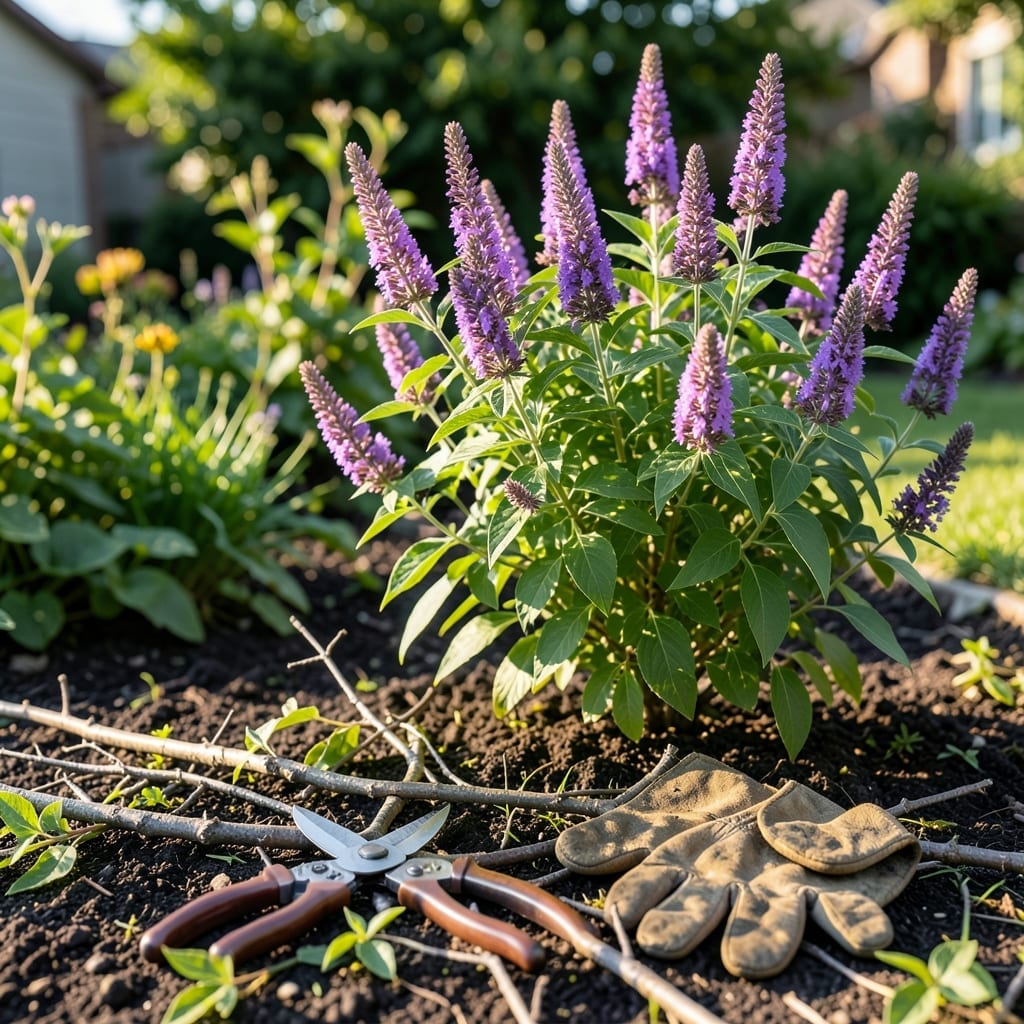
Timing your butterfly bush pruning incorrectly can weaken the plant or cost you a season of blooms. The 🦋 Butterfly Bush thrives when trimmed at the right moment, ensuring vibrant growth and abundant flowers.
I’ve seen gardeners make the mistake of pruning too late, only to miss out on that healthy summer display. The key lies in understanding its natural cycle and your local climate.
Discover the ideal windows to trim back this vibrant shrub for maximum health and flower production. Let’s set your garden up for success.
The best time to cut back your butterfly bush is in late winter or early spring, just before new growth begins. I always aim for March in most regions, but adjust based on your local last frost date. ✂️
This timing allows the plant to focus energy on producing strong new stems and abundant blooms rather than repairing old wood. Pruning too late in spring can remove potential flower buds, reducing your summer display.
| Stage | Action | Timing |
|---|---|---|
| Dormant Season | Heavy Pruning | Late Winter |
| Early Growth | Light Trimming | Early Spring |
| Post-Bloom | Deadheading | After Flowering |
For gardeners in cold climates (USDA zones 5-6), wait until the danger of frost has passed. In warmer zones (7-9), you can start pruning as early as February. Always check your local frost dates for precision.
The butterfly bush is a fast grower, so don’t be afraid to cut it back hard. I typically remove 1/3 to 1/2 of the previous year’s growth to encourage bushier development and more flowers. 🌿
If your plant is overgrown, you can do a more severe prune, cutting it down to 12-18 inches from the ground. This drastic approach works best in late winter when the plant is still dormant.
For mature plants, an annual prune is essential to maintain shape and vigor. Neglecting this task can lead to woody stems and reduced flowering over time. I’ve seen unpruned bushes become leggy and less productive.
In regions with mild winters, you might notice your butterfly bush retains some green leaves. Even so, stick to the late winter pruning schedule for best results. The plant still benefits from this seasonal reset.
Remember that butterfly bushes bloom on new wood, meaning the current season’s growth produces the flowers. This is why early spring pruning works so well – it stimulates fresh growth that will bear blooms.
After pruning, I recommend applying a layer of mulch around the base to protect the roots and retain moisture. This simple step can make a big difference in your plant’s recovery and growth. 🌱
Pruning your butterfly bush properly ensures healthy growth and abundant blooms. I always start by gathering the right tools: sharp bypass pruners and loppers for thicker stems. ✂️
Begin by removing any dead or damaged wood first, cutting back to healthy tissue. This prevents disease and encourages new growth from the base.
For mature plants, I recommend cutting back 1/3 to 1/2 of the previous year’s growth. This stimulates new shoots that will produce more flowers. Always make cuts just above a leaf node or bud.
If your bush is overgrown, you can do a more drastic prune, cutting it down to 12-18 inches from the ground. This works best in late winter while the plant is still dormant.
After pruning, I always clean up all debris around the base. This removes potential hiding spots for pests and prevents disease spread. A layer of mulch helps protect the roots and retain moisture. 🌿
Finally, step back and admire your work! With proper pruning, your butterfly bush will reward you with vibrant blooms and a healthy shape all season long. 🌱