
Beautiful Plants For Your Interior
Beautiful Plants For Your Interior
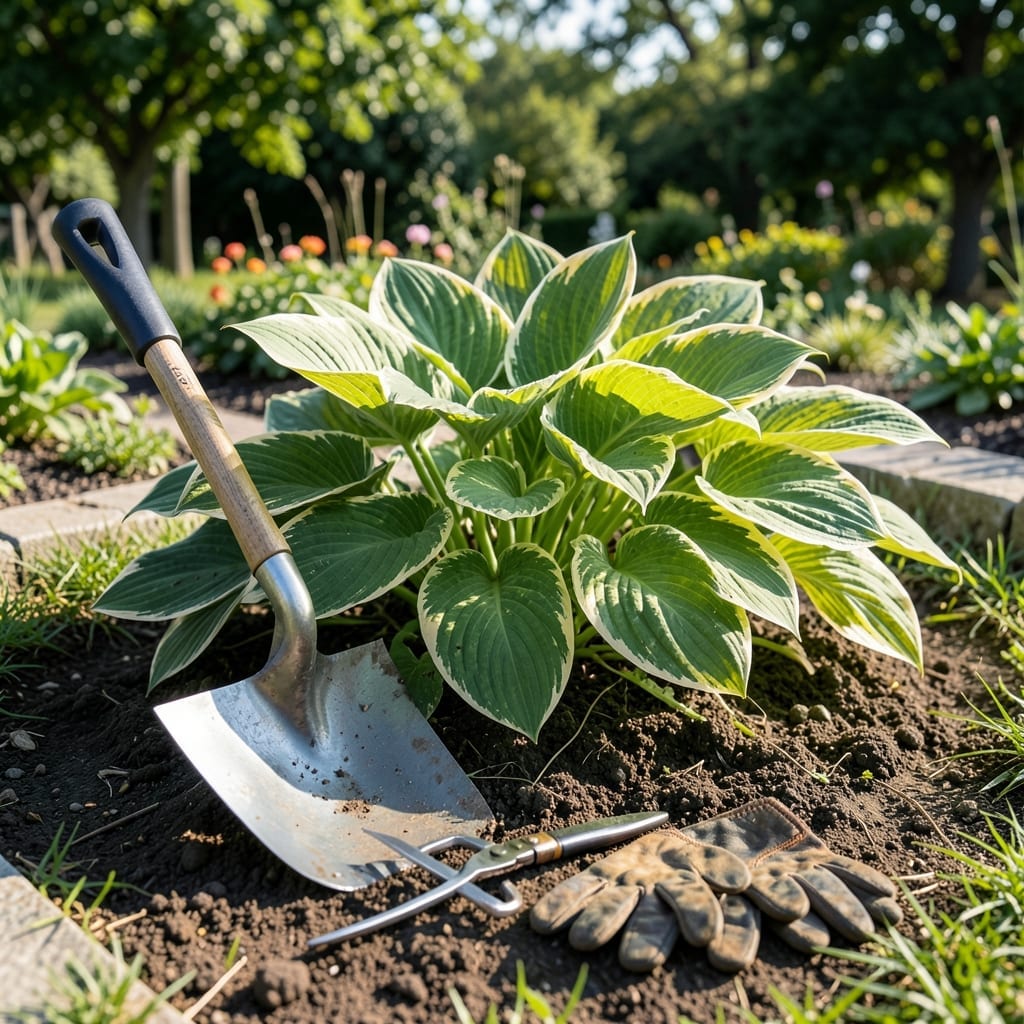
Dividing hostas at the right time ensures healthier plants and more vibrant foliage. Timing this task correctly can mean the difference between thriving divisions and struggling starts.
I’ve learned that spring or fall are the best windows for this job. The 🌿 Hosta thrives in USDA zones 3-9, and dividing during these seasons gives it the best chance to establish strong roots.
Whether you’re a seasoned gardener or just starting out, knowing when to divide can save you time and frustration. The key is working with the plant’s natural growth cycle.
Discover how to pick the perfect moment and set your hostas up for success. Let’s dig into the details together.
Timing is everything when dividing hostas. I’ve found that early spring or early fall are the best seasons to ensure your plants thrive after division. These periods allow the roots to establish before extreme temperatures hit.
In spring, aim to divide just as new shoots emerge. This gives the new divisions a full growing season to settle in. For fall division, I recommend doing it 4-6 weeks before the first frost to avoid winter stress.
| Season | Best Timeframe | Pros | Cons |
|---|---|---|---|
| Spring | March-May | Full season to establish | Hot weather may stress plants |
| Fall | September-November | Cooler temps reduce stress | Less time to root before winter |
| Both | 4-6 weeks before frost | Ideal for most climates | Avoid summer heat extremes |
I always check the USDA zone for my area. Zones 3-9 are ideal for hostas, but timing adjustments may be needed. In warmer zones, I can push the fall division a bit later, while colder zones need earlier action.
Watch for signs your hostas need dividing: crowded centers, reduced vigor, or smaller leaves. These indicate it’s time to split. I also look for new growth in spring as a perfect signal.
For spring division, I recommend early morning when temperatures are cool. This reduces transplant shock. In fall, I avoid dividing too late—roots need time to establish before the ground freezes.
If you’re in a mild climate, you might get away with dividing in late winter. However, I’ve found that sticking to spring and fall gives the most reliable results across most regions.
Remember, hostas are tough, but they appreciate the right timing. I’ve had the best luck with spring divisions in my garden, as they seem to bounce back faster with the warmer soil and longer days ahead.
No matter the season, always water deeply before and after dividing. This helps the root system recover and reduces stress on the plant. I also add a layer of mulch to retain moisture.
Finally, keep an eye on the weather forecast. Avoid dividing if extreme heat or heavy rain is expected. The goal is to give your hostas the best possible start in their new locations ✂️
Dividing hostas is a straightforward process when you follow the right steps. I always start by watering the plant thoroughly a day before to soften the soil and reduce root stress. This makes lifting the clump much easier.
Gather your tools: a sharp spade, garden fork, and pruning shears. Carefully dig around the hosta clump, about 6-8 inches out from the base to avoid slicing through roots. Lift gently to expose the root ball.
| Tool | Purpose |
|---|---|
| Sharp spade | Dig around clump |
| Garden fork | Lift root ball |
| Pruning shears | Trim damaged roots |
| Watering can | Hydrate divisions |
Once the root ball is exposed, I use my hands or a clean knife to separate the clump into smaller sections. Each division should have at least 3-5 healthy shoots and a good portion of roots. Avoid pulling the sections apart, as this can tear the roots.
Trim any broken or diseased roots with your shears. This encourages new growth and prevents the spread of disease. I also remove any yellow or damaged leaves at this stage to help the plant focus its energy on recovery.
Replant each division in a prepared hole that’s twice as wide as the root ball. Space them 18-24 inches apart to allow for growth. Backfill with rich soil and water deeply to settle the soil and eliminate air pockets.
After planting, I always add a 2-3 inch layer of mulch around the base to retain moisture and suppress weeds. Keep the soil consistently moist for the first few weeks, but avoid waterlogging. Your hostas should establish well within a month. ✂️