
Beautiful Plants For Your Interior
Beautiful Plants For Your Interior
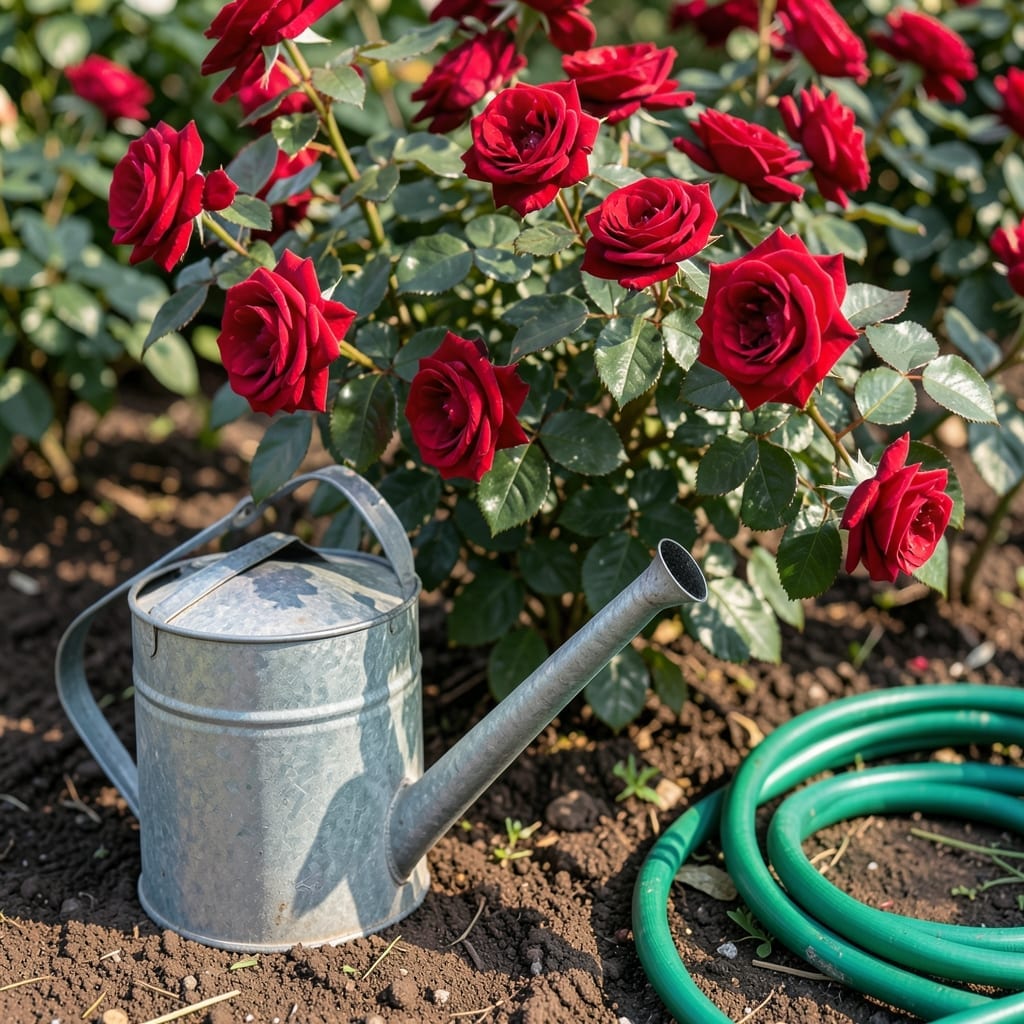
Watering your 🌸 Flower at the right time can make all the difference between vibrant blooms and lackluster results. Timing isn’t just about convenience – it’s about giving your plants the best chance to thrive.
I’ve seen firsthand how a simple schedule change can transform a garden. Early mornings often work wonders, but there are nuances depending on your climate and the specific needs of your Flower.
You might be surprised to learn that even the most well-intentioned watering habits could be doing more harm than good. The key lies in understanding how your Flower absorbs moisture throughout the day.
Discover the science-backed approach to watering that will help your garden flourish. Let’s explore what works best for your blooms and why timing truly matters.


I’ve found that early morning watering is ideal for most flowers, as it allows roots to absorb moisture before the heat of the day sets in. This reduces evaporation loss and helps plants start strong.
Evening watering can also work, but it comes with fungal disease risks if foliage stays wet overnight. I always aim to water before 10 AM or after 6 PM for best results.
| Time of Day | Benefits | Drawbacks |
|---|---|---|
| Morning | Less evaporation, lower disease risk | May need earlier wake-up |
| Evening | Cooler temps, less stress on plants | Higher fungal risk if wet overnight |
In my experience, morning watering works best for sun-loving flowers like roses and marigolds. The water soaks deep into the soil before the sun gets intense, giving roots a steady supply.
For shade-tolerant plants like impatiens, evening watering can be safer. Just be sure to water at the base and avoid wetting the leaves to prevent mildew growth.
I always check the soil moisture before watering. If the top inch of soil is dry, it’s time to water—regardless of the clock. This simple test prevents overwatering and keeps roots healthy.
In hot climates, I’ve seen evening watering cause issues with humidity and fungal spread. That’s why I stick to early morning in summer, even if it means adjusting my schedule.
For container flowers, watering frequency changes. Potted plants dry out faster, so I often water them twice daily in peak summer—once in the morning and once in the late afternoon.
If you’re dealing with drought conditions, morning watering is non-negotiable. The cool temperatures and calm winds help maximize every drop of water your flowers receive.
Finally, I avoid watering during windy conditions, as it leads to uneven distribution and waste. A calm, early morning breeze is perfect for ensuring water goes exactly where it’s needed.
Remember, consistency is key. Whether you choose morning or evening, stick to a schedule so your flowers can thrive with predictable moisture levels. 🌸
Even with perfect timing, your watering technique can make or break your flowers’ health. I always use a soaker hose or drip irrigation to deliver water directly to the root zone.
This method reduces wasteful runoff and prevents foliage diseases that can occur with overhead sprinkling. Plus, it’s more water-efficient for your garden.
I’ve learned that consistent moisture is key, especially for newly planted flowers. These need more frequent watering until their root systems establish, usually about 2-3 weeks.
For established plants, I water when the top inch of soil feels dry. This simple test helps prevent both underwatering and overwatering issues.
In hot weather, I adjust my approach. I water more deeply and less often to train roots to grow deeper, making plants more drought-resistant.
Remember, clay soils hold moisture longer than sandy soils. I always adjust my watering schedule based on my soil type and local weather conditions.
With these tips, you’ll see healthier blooms and more vibrant colors in your garden. 🌷