
Beautiful Plants For Your Interior
Beautiful Plants For Your Interior
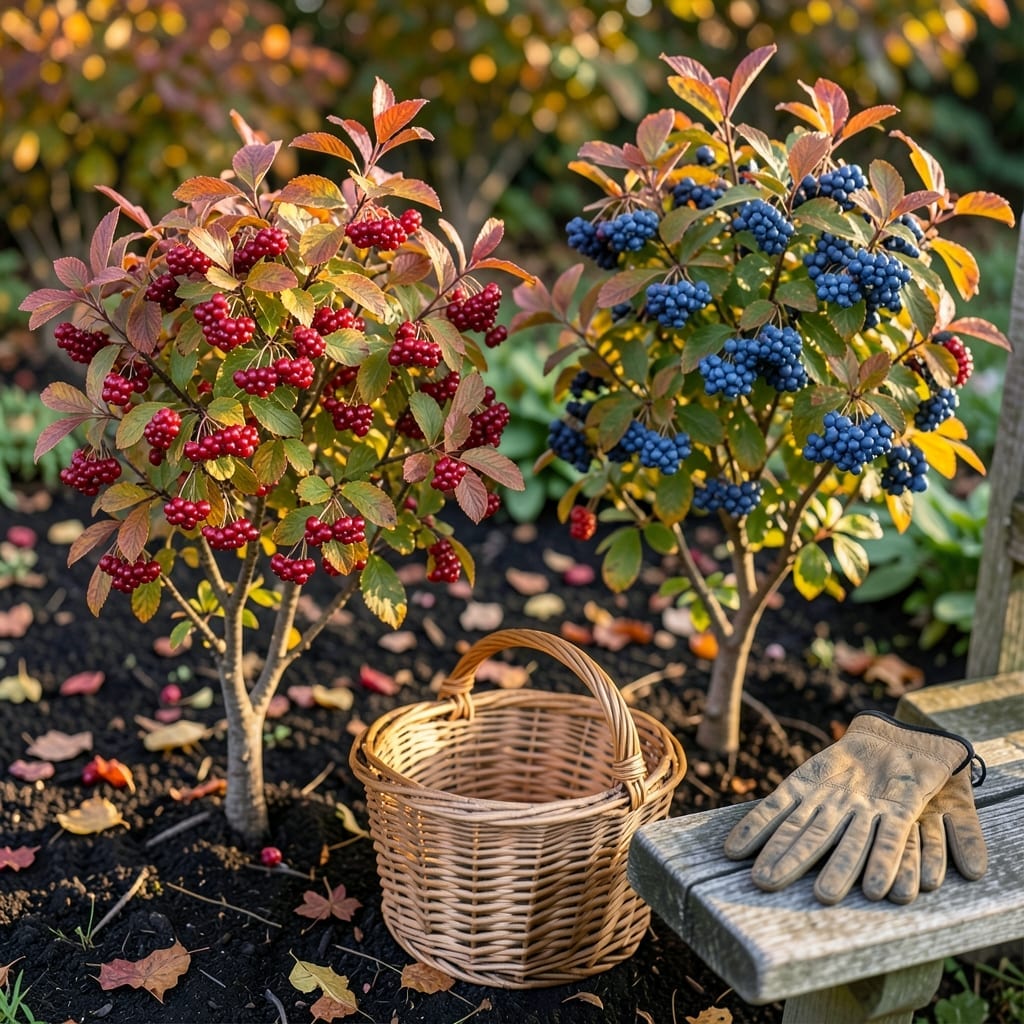
Autumn brings a variety of berries like cranberries, elderberries, and winterberries, which thrive in cooler temperatures and offer rich flavors perfect for jams, pies, and wildlife support.
I love how these seasonal berries transform the landscape and kitchen alike. Their vibrant colors signal peak ripeness, often after the first frost. For gardeners, this means timing harvests before birds claim them all. 💫
From a culinary perspective, their tartness and depth make them stars in holiday recipes. Plus, they provide crucial sustenance for wildlife preparing for winter. ✨
💡 In This Article
Cranberries thrive in acidic bogs with pH 4.0-5.5, where their woody vines spread across the soil. These berries develop their signature tartness as cool nights enhance sugar accumulation, reaching peak flavor just before the first hard frost. Their leathery leaves turn deep red in autumn, signaling harvest time. 🔥
Elderberries grow in dense clusters on shrubs that prefer moist, well-drained soil. Each tiny berry packs intense flavor and must be fully ripe (deep purple-black) to avoid toxicity. A single shrub can produce 10-15 lbs of fruit annually, with the highest yields in zones 5-9.
The berries’ astringency softens after frost, making them ideal for syrups. ✨
Winterberries are the showstoppers with their bright red drupes that persist through snow. Unlike most berries, they require both male and female plants for pollination. These shrubs tolerate wet feet, thriving in swampy areas where other plants struggle. Birds rely on them as a critical winter food source. 💫
For gardeners, these varieties offer distinct advantages. Cranberries create a living ground cover, elderberries attract pollinators, and winterberries provide stunning winter interest. All three prefer full sun and benefit from a 2-3 inch mulch layer to retain moisture during dry autumn spells. 🌟
Flavor-wise, cranberries deliver sharp acidity, elderberries offer complex earthiness, and winterberries provide visual appeal more than culinary use. Each plays a unique role in the ecosystem, from supporting native bee populations to feeding migratory birds during their long journeys south. ⚡
Cranberries, elderberries, and winterberries hit their stride in autumn. Cranberries bounce when ripe, elderberries deepen to purple-black, and winterberries turn brilliant red. Each thrives in cooler temps and offers unique flavors.
Pick cranberries after the first frost for peak tartness. Elderberries are ready when fully dark and slightly soft. Winterberries stay on branches through winter, so harvest anytime after they ripen to bright red.
Yes! Spread them on a tray to freeze individually, then transfer to airtight containers. They’ll keep for up to 12 months. Avoid washing before freezing to prevent ice crystals.
Birds and small mammals depend on these late-season food sources. Leaving a portion ensures they have sustenance during migration or winter. It’s a simple way to support local ecosystems.