
Beautiful Plants For Your Interior
Beautiful Plants For Your Interior
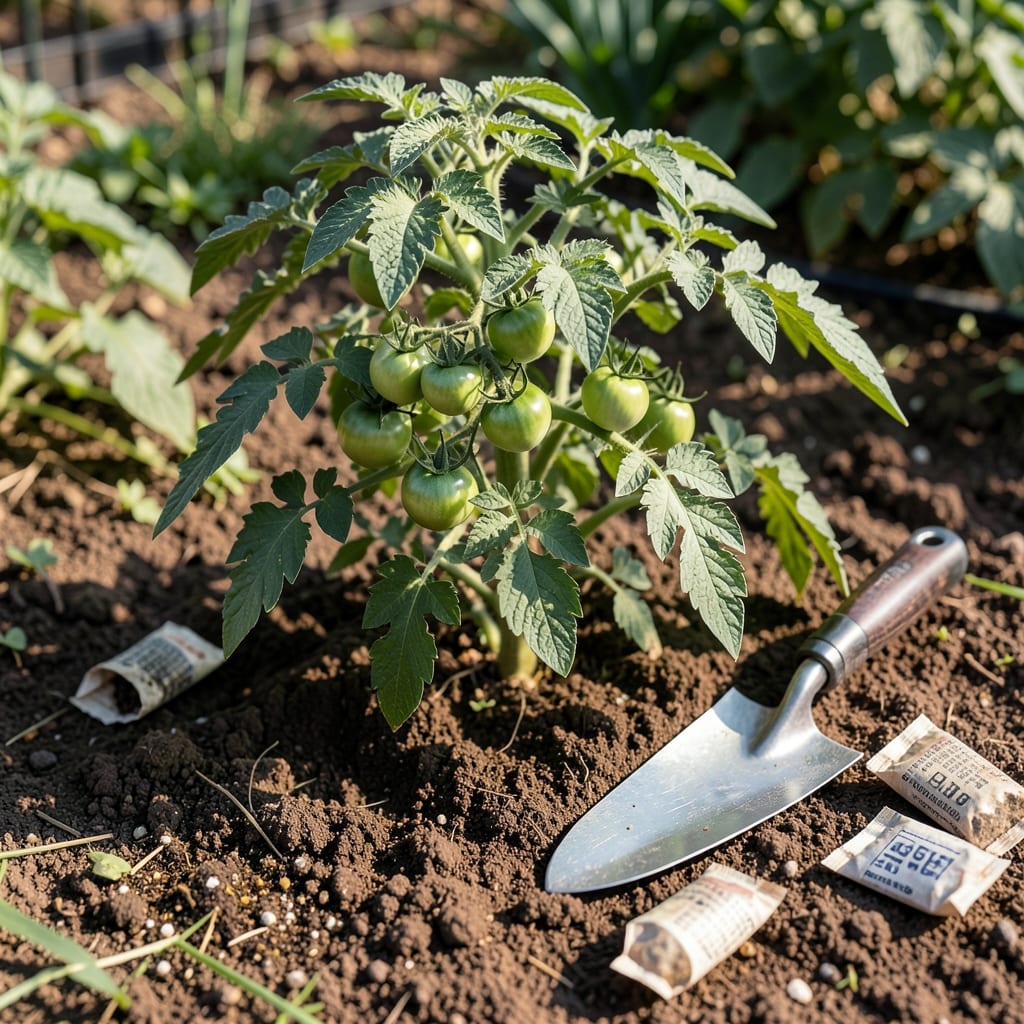
The decomposition of tea leaves introduces organic material that loosens compacted soil. This process creates air pockets that allow roots to expand more easily while improving water infiltration by up to 30%. The cellulose in tea bags breaks down slowly, providing a steady source of carbon that feeds soil microbes over weeks. 🔥
Tea leaves contain 4-6% nitrogen by dry weight, which gradually releases into the soil as microorganisms break down the organic matter. This nitrogen boost is particularly valuable for leafy plants and vegetables that require this nutrient for healthy foliage growth. The tannins in tea also act as natural fungicides, suppressing harmful soil pathogens. ✨
What most gardeners don’t realize is that tea bags help balance soil pH. Black tea has a pH of about 4.5-5.5, which can slightly acidify alkaline soils over time. This makes them especially beneficial for acid-loving plants like blueberries, azaleas, and gardenias that struggle in neutral or basic conditions. 🌟
The physical structure of tea leaves creates a sponge-like effect in soil. When mixed into the top 6 inches of soil, they can retain 2-3 times their weight in water, reducing the need for frequent watering. This moisture retention is particularly helpful for sandy soils that drain too quickly. ⚡
Earthworms and beneficial bacteria thrive in tea-amended soil. A study by the Royal Horticultural Society found that soil with composted tea leaves had 15-20% more microbial activity than untreated soil. These microorganisms help break down organic matter into plant-available nutrients, creating a self-sustaining ecosystem. 💫
Black and green tea work best due to their 4-6% nitrogen content. Herbal teas may lack nutrients but still improve soil structure. Avoid flavored teas with additives that could harm soil microbes.
No, they supplement but don’t replace balanced fertilizers. Tea bags provide slow-release nitrogen and organic matter, but plants still need phosphorus and potassium from other sources.
Tea leaves break down within 2-4 weeks in active soil, while the bag material may take 2-3 months. Cutting open bags speeds up the process.
Avoid using them with alkaline-loving plants like lilacs or asparagus. The mild acidity can hinder their growth over time.
No, tea bags are only suitable for soil-based gardening. The organic matter can clog hydroponic systems and disrupt nutrient solutions.