
Beautiful Plants For Your Interior
Beautiful Plants For Your Interior
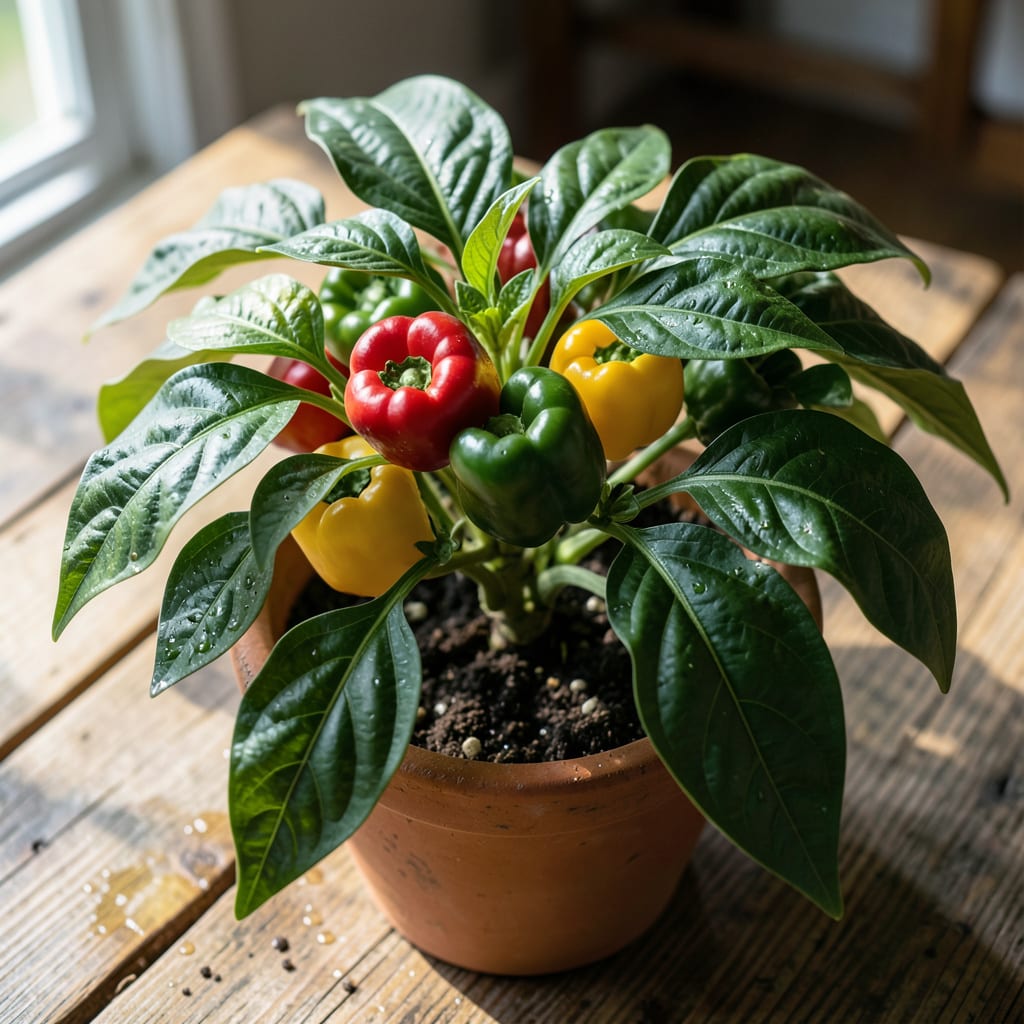
First time I saw my bell pepper leaves twisting like ribbons, I panicked. Turns out, leaf curling often signals stress before it becomes a full-blown crisis.
Environmental factors top the list—too much water, not enough, or 90°F+ heat can all trigger this response. Pests like aphids or whiteflies also love to stress plants into curling their leaves.
Natural fixes start with observation: check soil moisture, inspect leaf undersides, and adjust watering schedules. A foolproof first step is improving air circulation around your plants.
Prevention is simpler than cure. Consistent watering, mulching, and early pest control keep leaves flat and healthy all season long.
Bell pepper leaves curl due to a mix of environmental stress, pests, or diseases. Here’s a breakdown of the most common causes:
Extreme temperatures (above 90°F) or inconsistent watering (too much or too little) disrupt the plant’s transpiration process. When roots can’t supply water fast enough to replace what’s lost through leaves, cells collapse, causing edges to curl upward. Drought stress also triggers abscisic acid, a hormone that closes stomata, reducing water loss but leading to wilting and curling.
Aphids, whiteflies, and spider mites suck sap from leaves, depleting nutrients and water. Their feeding damages mesophyll cells, which disrupts photosynthesis and causes leaves to curl as a defensive response. Look for sticky residue (honeydew) or webbing under leaves—telltale signs of an active infestation.
Pathogens like Tomato Yellow Leaf Curl Virus (TYLCV) or fungal infections (e.g., Powdery Mildew) alter cell structure. Viruses inhibit protein synthesis, stunting growth and deforming leaves, while fungi block stomata, reducing gas exchange. Infected plants often show yellowing (chlorosis) alongside curling.
Excess nitrogen or salts from synthetic fertilizers create osmotic imbalance in the soil. Roots absorb too much water to dilute the salts, leading to fertigation burn. Leaves curl downward as cells lose turgor pressure. Check for crusty soil surface or brown leaf tips—classic symptoms of nutrient burn.
Curling leaves on your bell peppers can often be reversed with the right approach. Below are targeted solutions for the most common causes, along with prevention tips to keep your plants thriving.
If high temperatures or inconsistent watering are to blame, act fast. Shield plants with shade cloth during peak sun hours (10 AM–4 PM) to reduce heat stress. Water deeply at the base early in the morning, aiming for 1–2 inches per week. Prevention tip: 💡 Mulch around plants to retain moisture and regulate soil temperature.
Aphids and spider mites love bell peppers. Blast them off with a strong stream of water, then apply neem oil or insecticidal soap every 3–5 days until gone. For severe cases, introduce beneficial insects like ladybugs. Prevention tip: ✨ Inspect leaves weekly and keep the garden free of debris where pests hide.
Yellowing or curling leaves may signal a lack of magnesium or calcium. Apply Epsom salt (1 tablespoon per gallon of water) for magnesium, or crushed eggshells for calcium. For general health, use a balanced fertilizer (10-10-10) every 2–3 weeks. Prevention tip: 🎯 Test soil annually and amend as needed before planting.
For viral infections (like mosaic virus), remove and destroy affected plants to prevent spread. For fungal problems (e.g., leaf curl disease), prune infected leaves and apply a copper-based fungicide. Prevention tip: 🌱 Rotate crops yearly and avoid overhead watering to reduce fungal spores.
Too much fertilizer can burn roots, leading to curling. Flush the soil with water to remove excess salts, then hold off on feeding for 2–3 weeks. Prevention tip: 🔥 Always follow label instructions and fertilize less in hot weather, when plants are stressed.
Yes, too much water suffocates roots and prevents proper nutrient uptake. This stress often leads to leaf curling as the plant struggles to maintain turgor pressure. Always check soil moisture before watering again.
Inspect the undersides of leaves for tiny insects, sticky residue, or fine webbing. Aphids and spider mites are common culprits that cause curling by sucking plant sap. Use a magnifying glass for better visibility.
New growth will typically recover first, while severely curled leaves may remain damaged. Consistency in care—proper watering, pest control, and balanced nutrients—helps the plant produce healthy new leaves.
Water early in the morning to allow foliage to dry before evening. This reduces fungal risks while ensuring plants have moisture for the day. Avoid watering during peak heat to prevent rapid evaporation.
